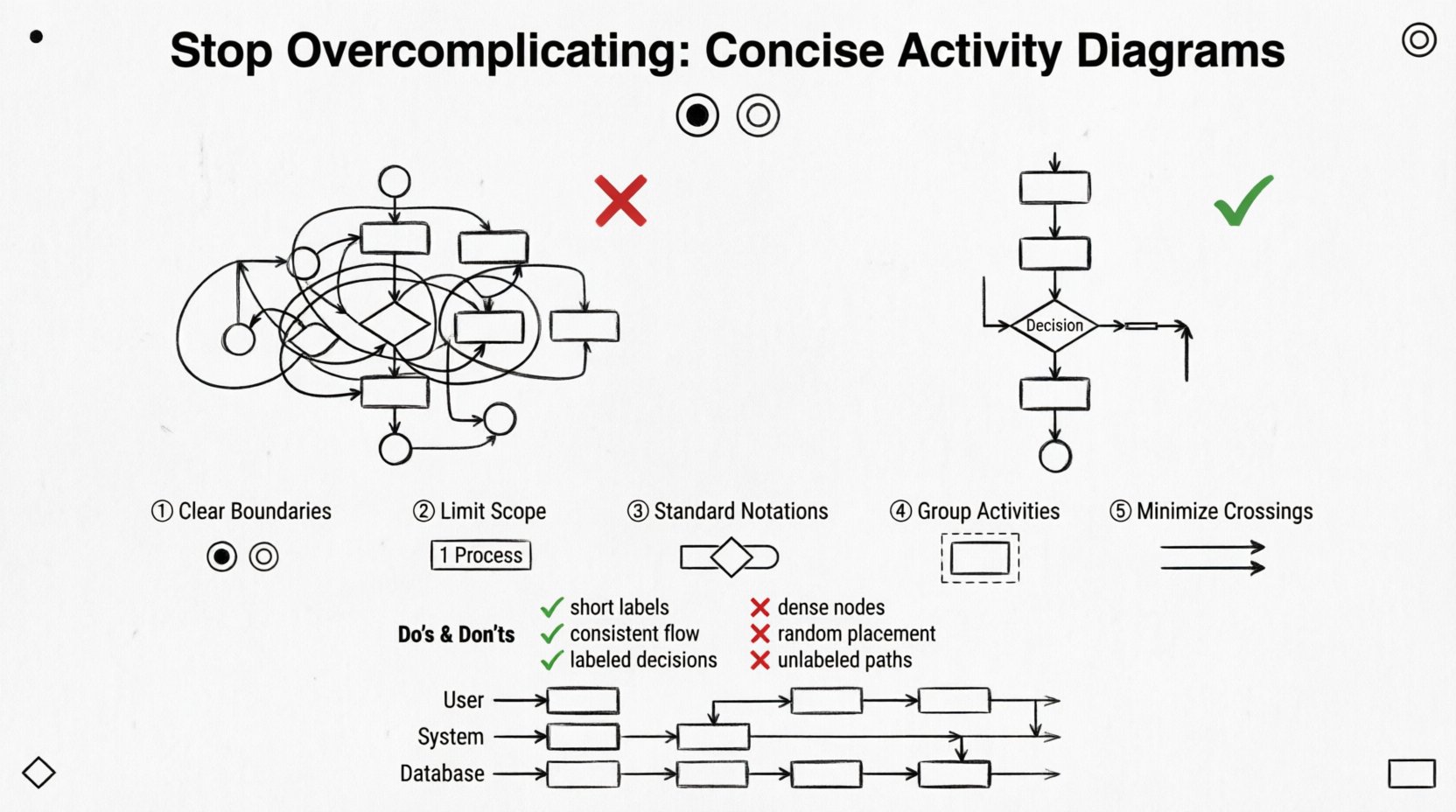
Workflow modeling is a cornerstone of system design, yet it frequently suffers from a lack of clarity. When stakeholders review a diagram, they need to understand the process flow immediately, not decipher a tangled web of symbols. This guide focuses …
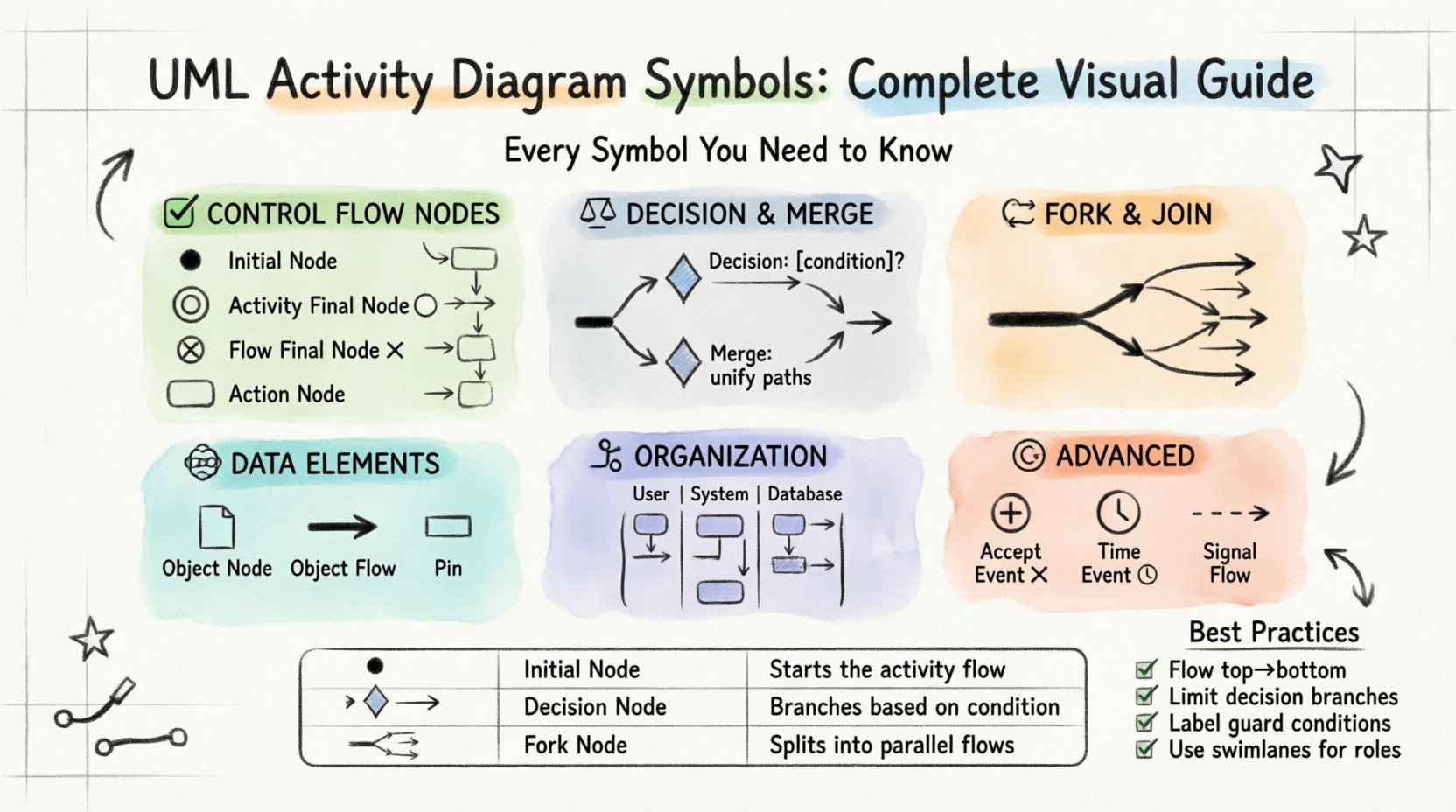
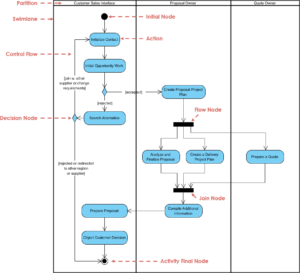
Activity diagrams serve as the backbone for visualizing the dynamic behavior of a system. They map out the flow from one activity to another, illustrating the logic, decisions, and interactions that define a process. To communicate these flows effectively, standardization …
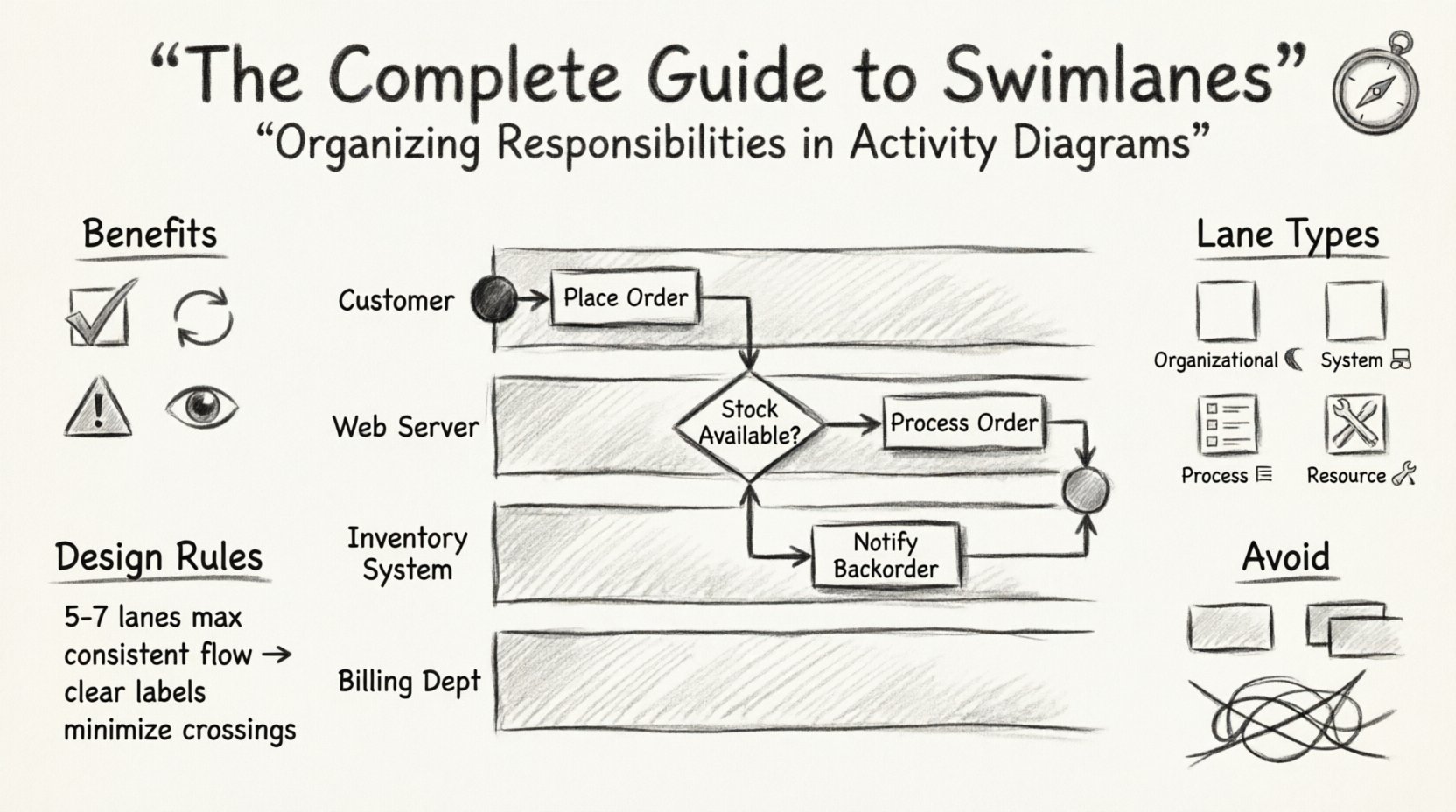
Activity diagrams are a fundamental component of modeling complex business processes and software workflows. They provide a visual representation of the dynamic behavior within a system. However, as processes grow in complexity, a standard flow chart can become a tangled …
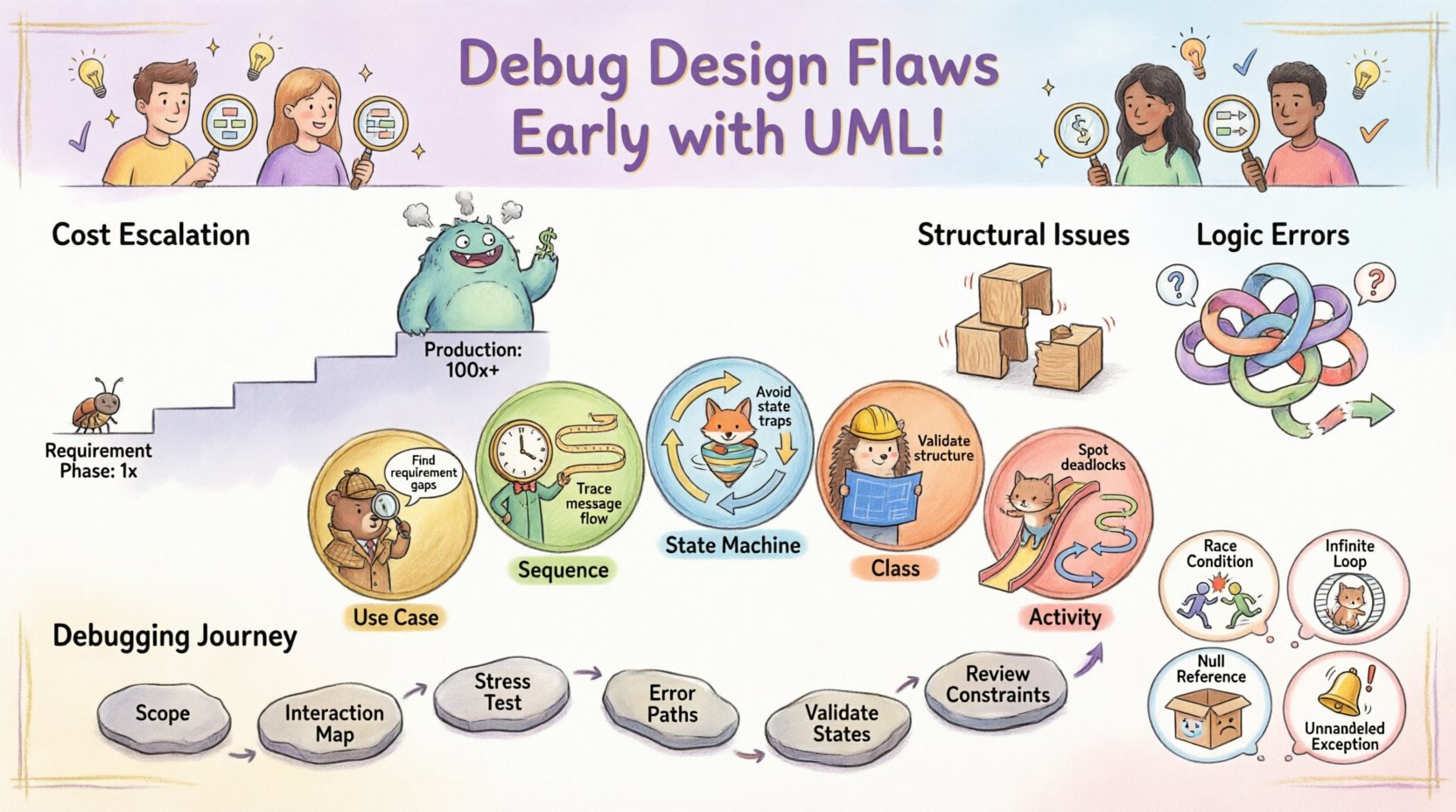
Software development often follows a linear path from requirements to deployment. However, the most critical vulnerabilities frequently exist long before the first line of code is written. These vulnerabilities manifest as design flaws, architectural mismatches, or logic errors that are …
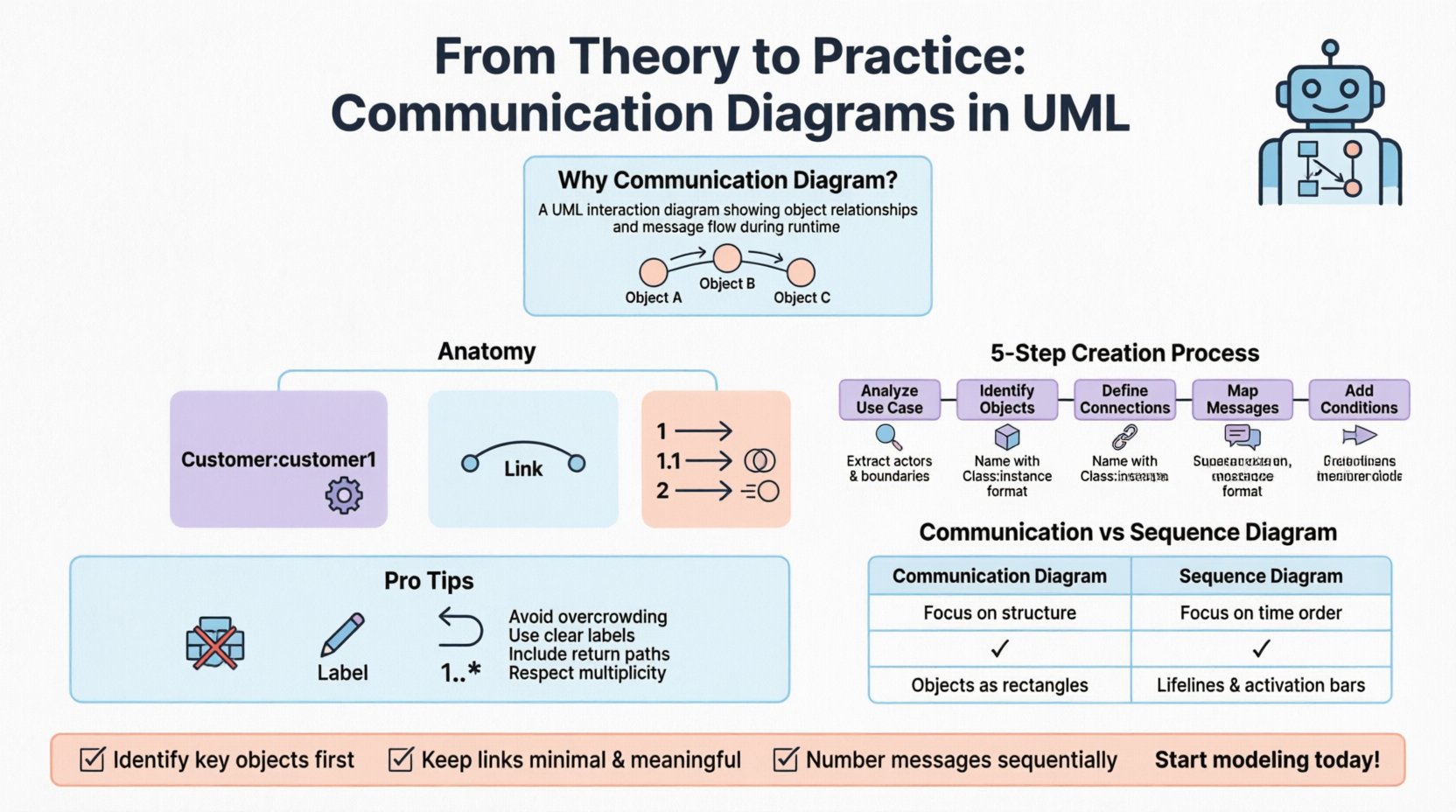
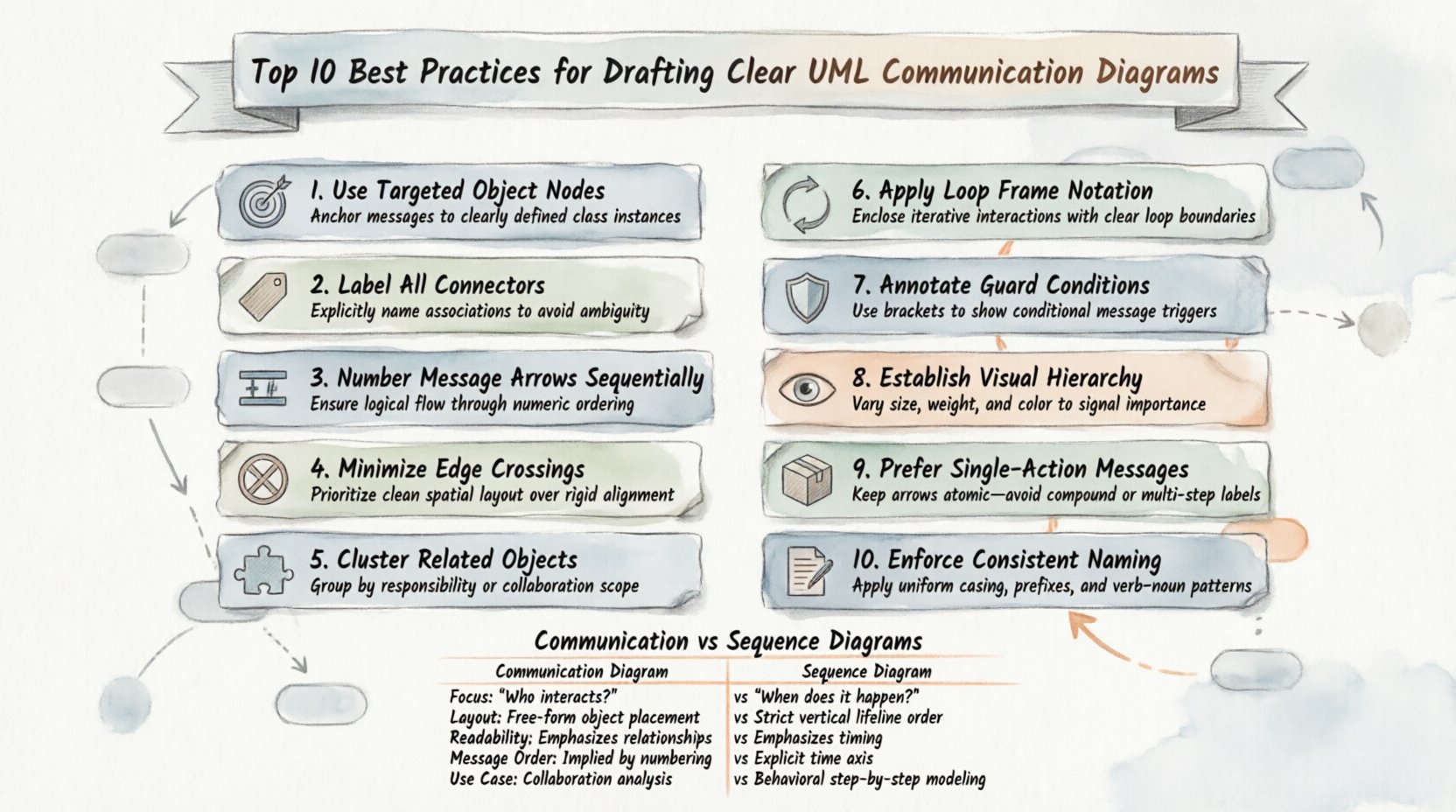
Modeling software systems requires more than just writing code; it demands a clear visualization of how different parts interact. Among the various Unified Modeling Language (UML) tools available, the Communication Diagram stands out as a vital instrument for understanding dynamic …
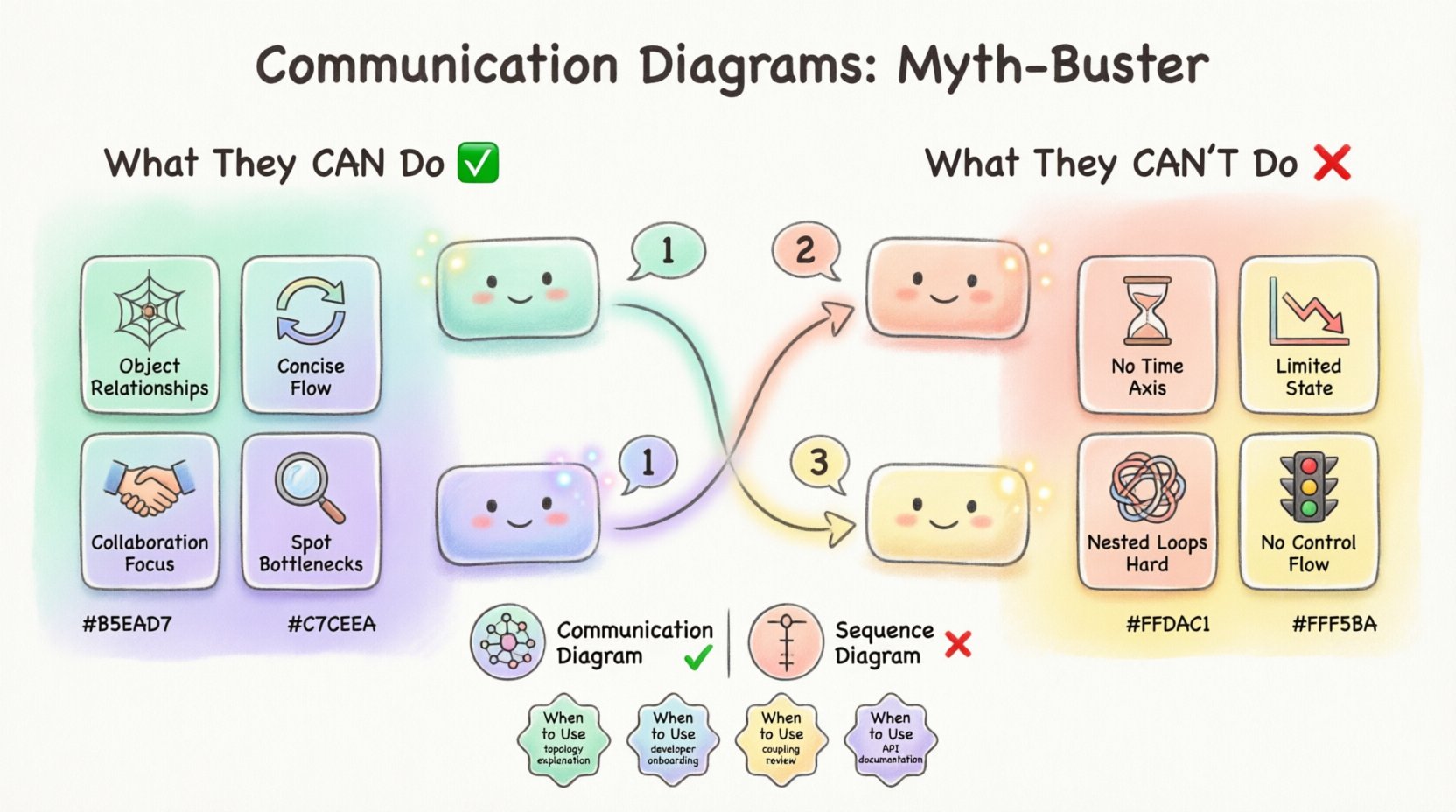
When designing complex software systems, visual models serve as the blueprint for logic and flow. Among the various Unified Modeling Language (UML) notations, the Communication Diagram stands out for its focus on object relationships. However, misconceptions persist regarding its scope. …
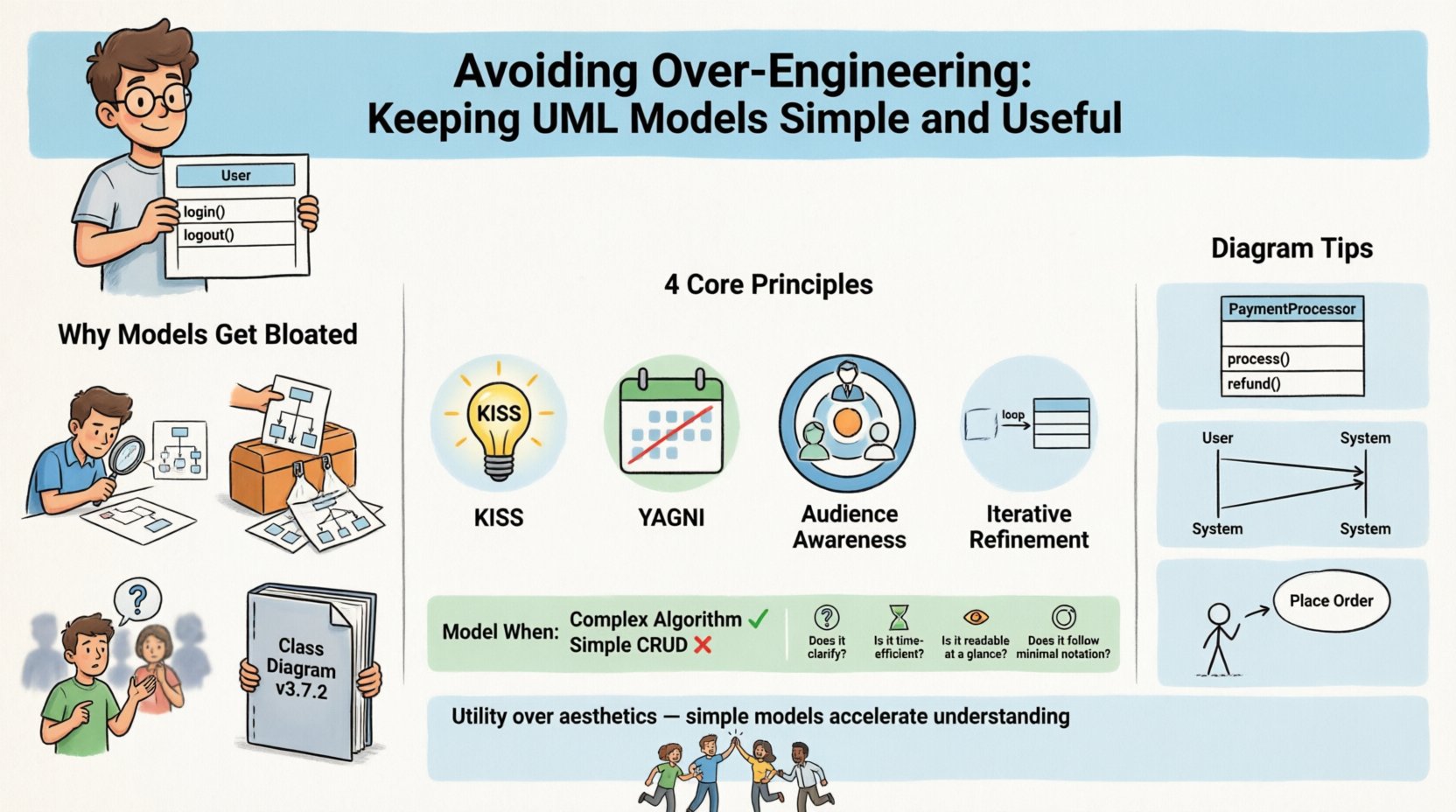
Modeling software architecture is a delicate balance between clarity and complexity. When Unified Modeling Language (UML) diagrams become too detailed, they lose their primary function: communication. Over-engineering a model introduces noise that obscures the signal, leading to confusion rather than …
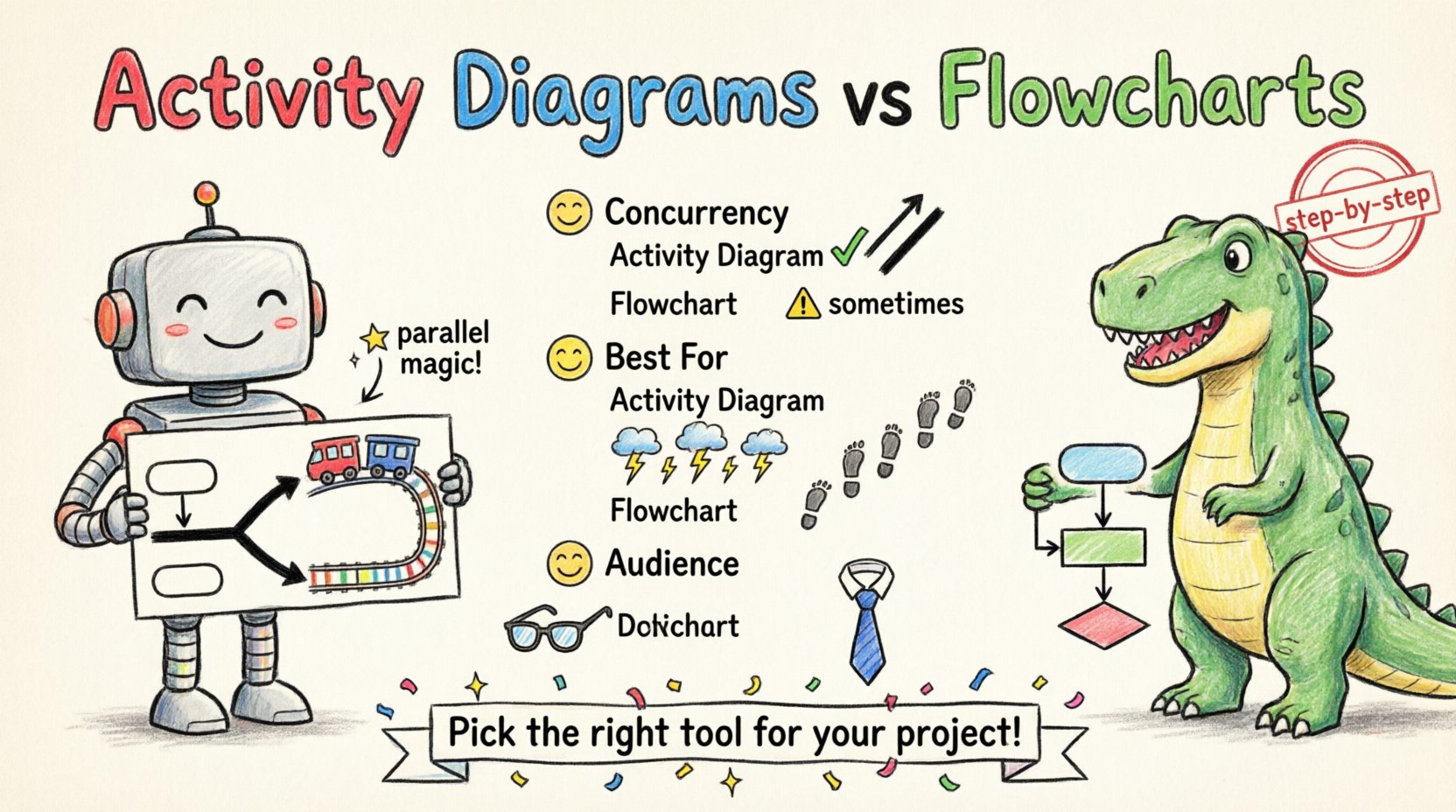
Systems analysis relies heavily on visual communication to translate complex business requirements into structured technical specifications. When mapping processes, two primary modeling techniques dominate the landscape: activity diagrams and flowcharts. While they share visual similarities, the distinctions between them are …
Understanding how software behaves requires more than just reading code. It demands a visual language that bridges the gap between technical logic and business requirements. This is where activity diagrams come into play. These diagrams map out the flow of …
System modeling requires precision, clarity, and a shared understanding among stakeholders. Among the various diagram types available in the Unified Modeling Language (UML), the Communication Diagram offers a unique perspective on object interactions. Unlike other structural or behavioral diagrams, this …