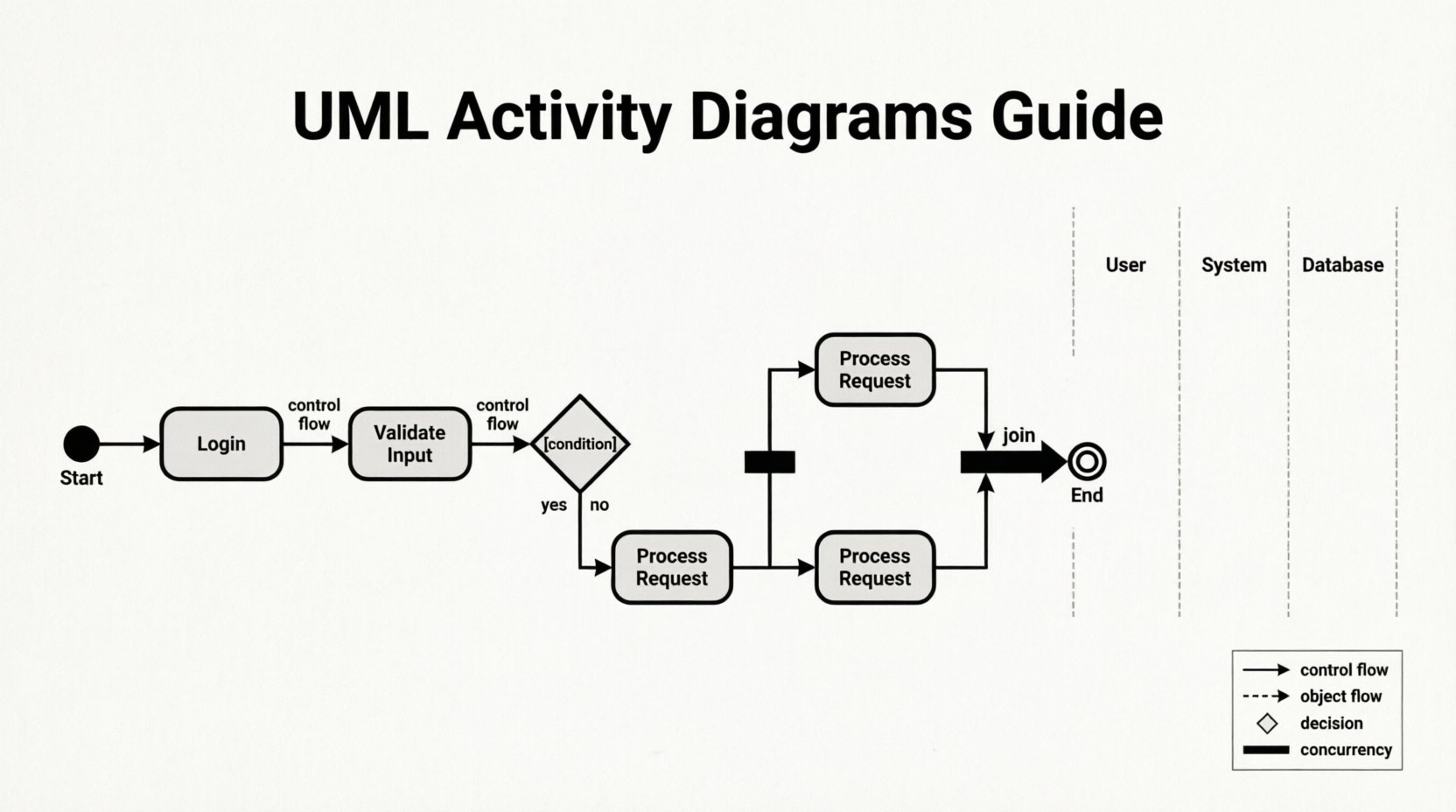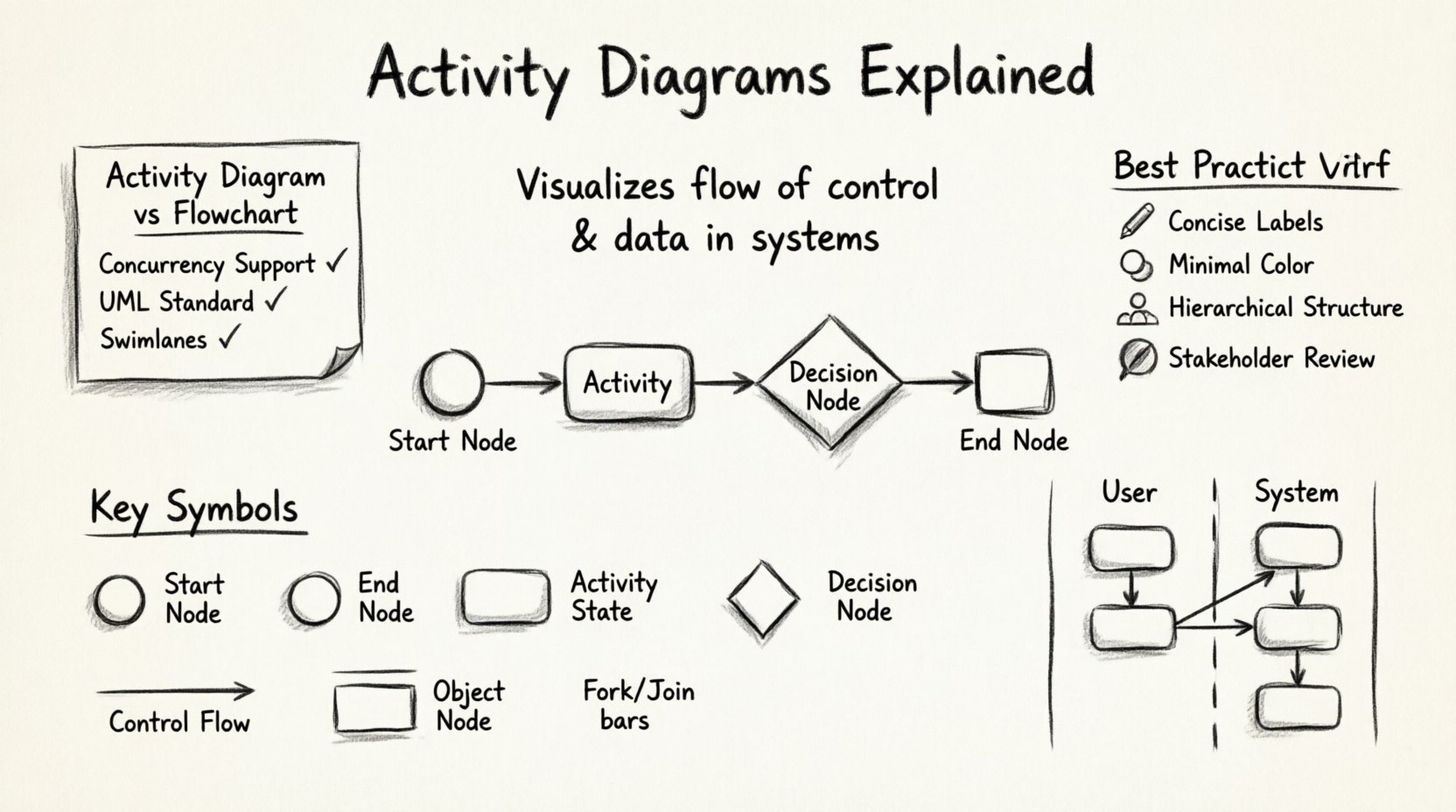
Activity diagrams are a critical component of the Unified Modeling Language (UML) ecosystem. They serve as the primary method for visualizing the dynamic behavior of a system. Unlike static structure diagrams that define what a system is, activity diagrams define …
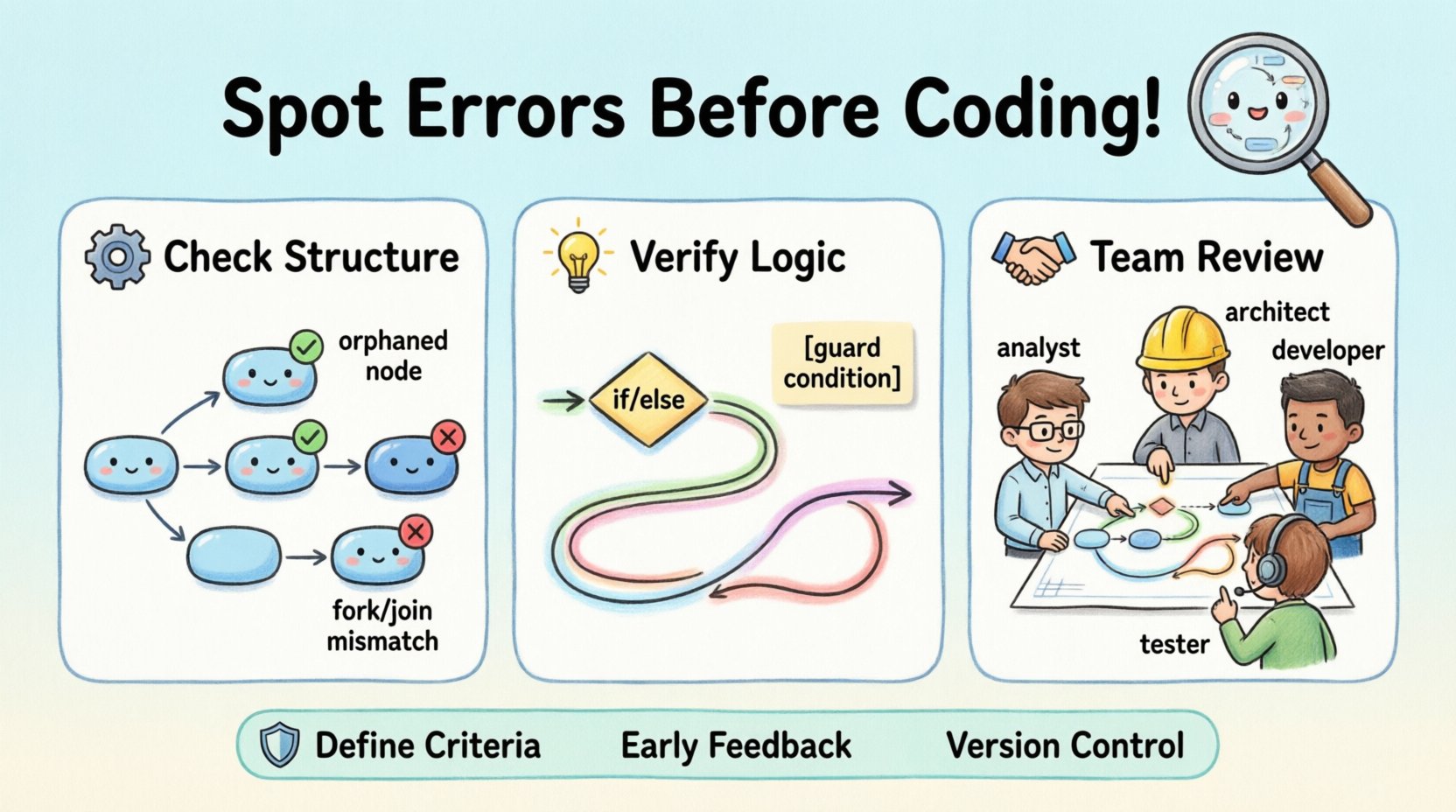
Designing complex systems requires precision. One of the most critical artifacts in this process is the activity diagram. It serves as a visual representation of the workflow, logic, and interactions within a system. However, a diagram drawn on paper or …
In the landscape of system architecture, visual clarity is not merely an aesthetic choice; it is a functional necessity. Activity diagrams serve as the backbone for understanding workflow logic, data flow, and process behavior within complex software ecosystems. As systems …
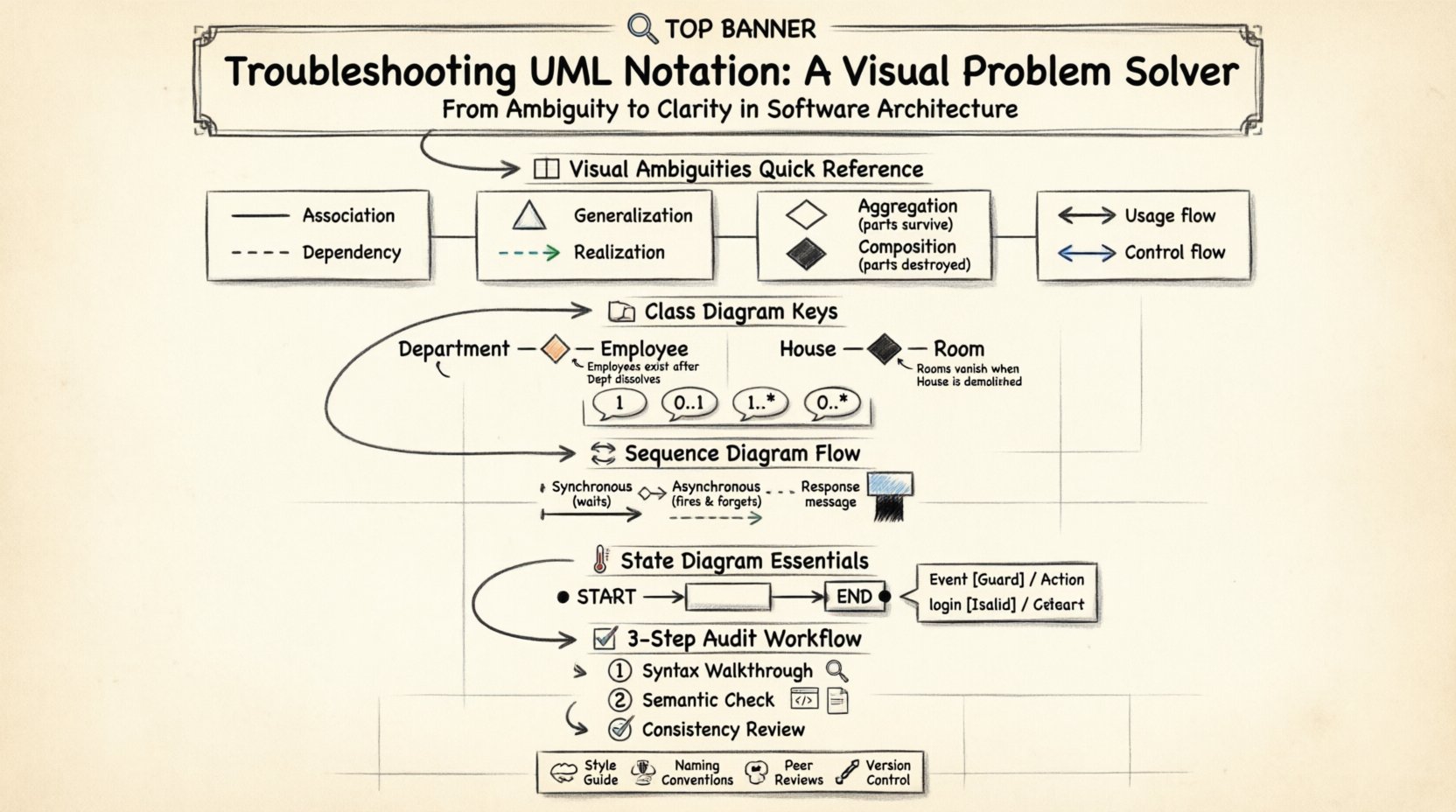
Unified Modeling Language serves as the universal grammar for software architecture. It bridges the gap between abstract requirements and concrete implementation. However, the precision required to maintain a valid diagram is often underestimated. When notations are applied incorrectly, the resulting …
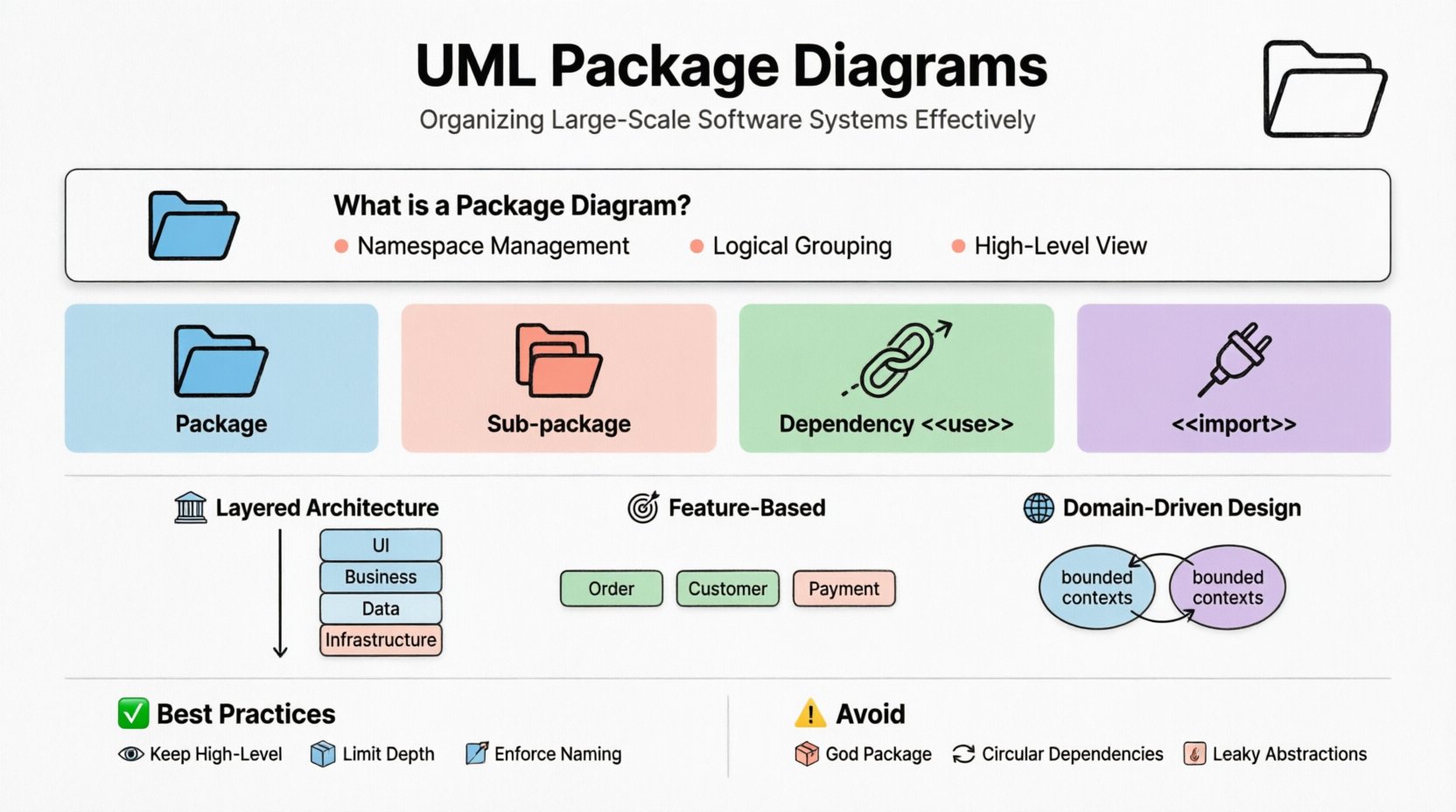
Software systems grow in complexity. As codebases expand, the relationships between components become intricate and difficult to navigate. Without a clear structural representation, development teams face challenges in maintaining consistency, managing dependencies, and ensuring scalability. The Unified Modeling Language (UML) …
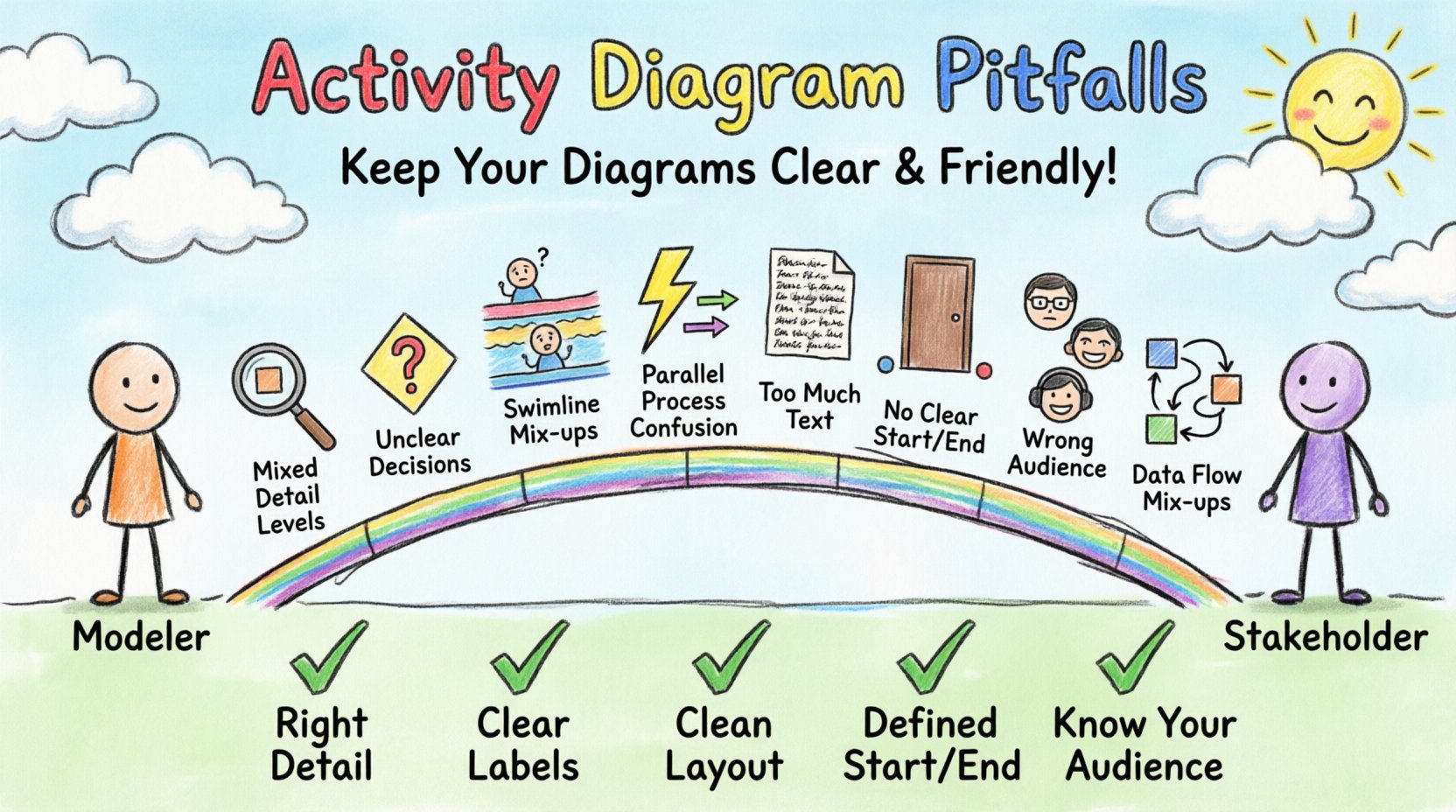
Activity diagrams are among the most powerful tools available for visualizing workflows, business processes, and system logic. They provide a roadmap of how actions flow from start to finish, highlighting decision points, parallel processes, and data movement. However, a diagram …
The landscape of software engineering is vast and ever-evolving. As systems grow in complexity, the need for clear structural planning becomes paramount. This is where the role of a software architect emerges, bridging the gap between business requirements and technical …
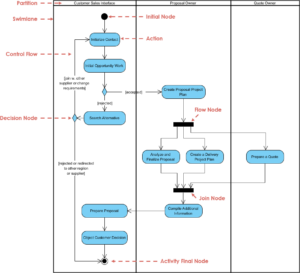
Understanding complex business processes is essential for system architects and developers. An activity diagram serves as a powerful tool to visualize the flow of activities within a system. Specifically, when modeling order processing workflows, these diagrams clarify how data moves, …
Understanding how software behaves is just as important as understanding how it looks. In the world of software engineering, visualizing processes is a critical skill. One of the most versatile tools for this purpose is the activity diagram. This guide …
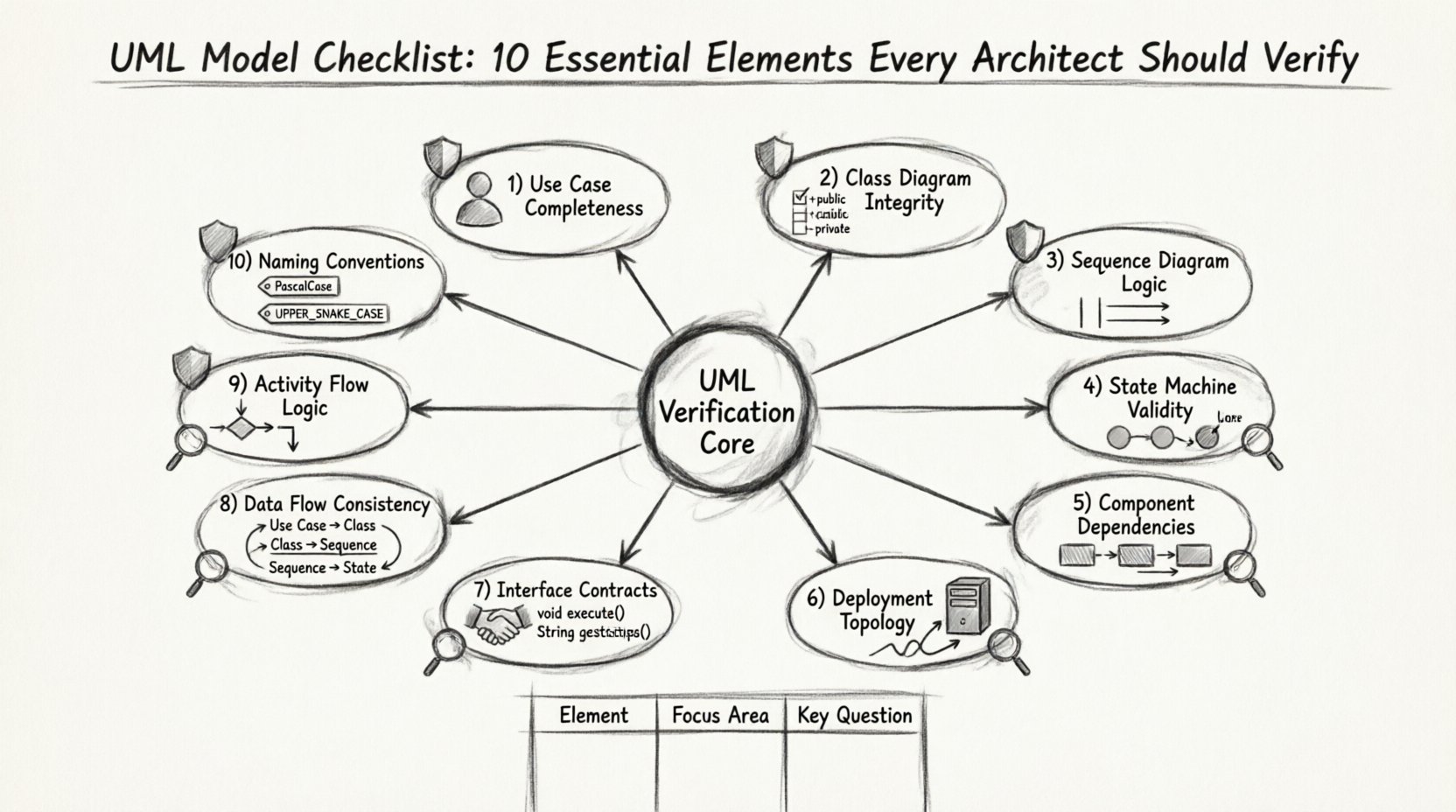
Unified Modeling Language (UML) stands as the foundational grammar for software architecture. It translates abstract business requirements into concrete technical specifications. However, a diagram alone does not guarantee system integrity. Without a systematic review process, models can become sources of …