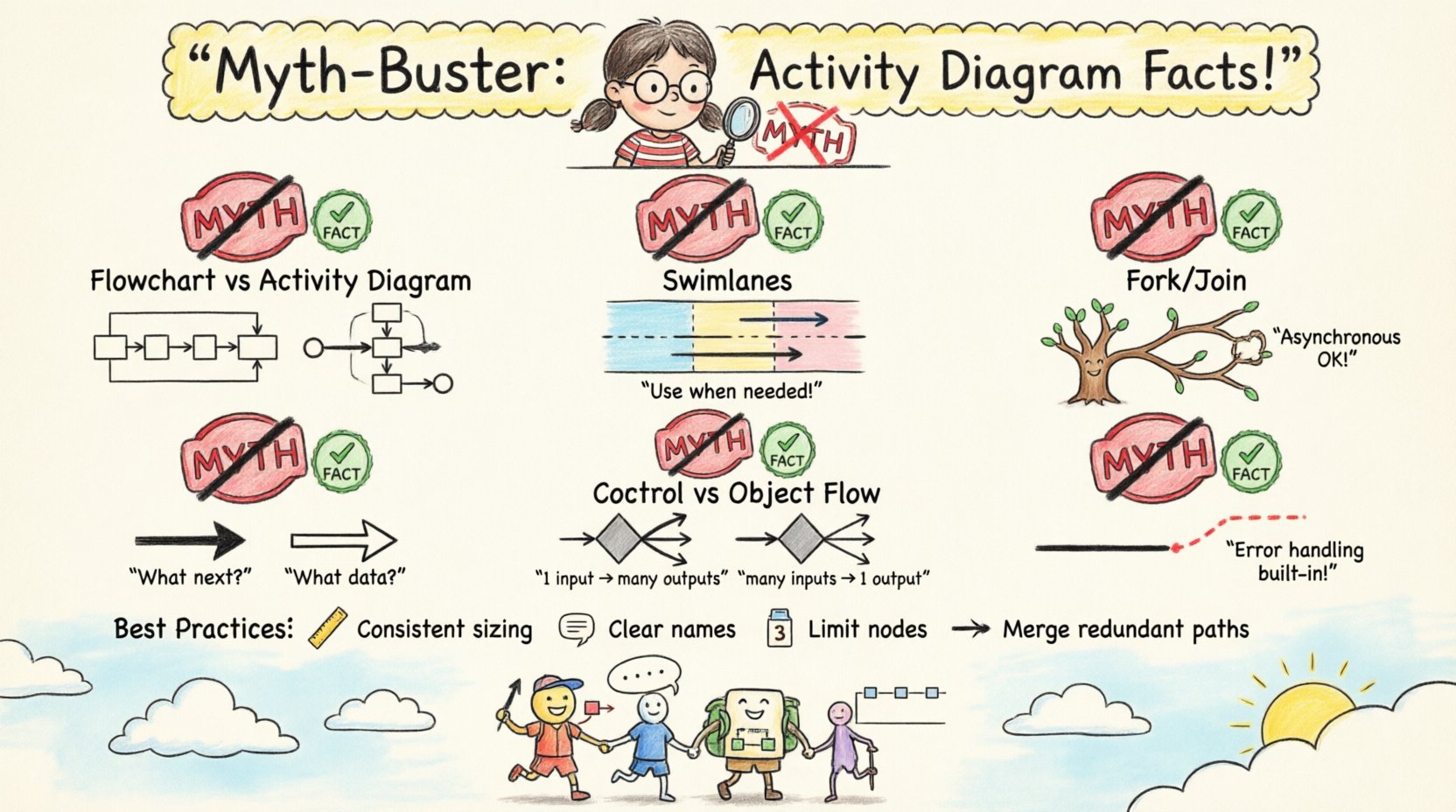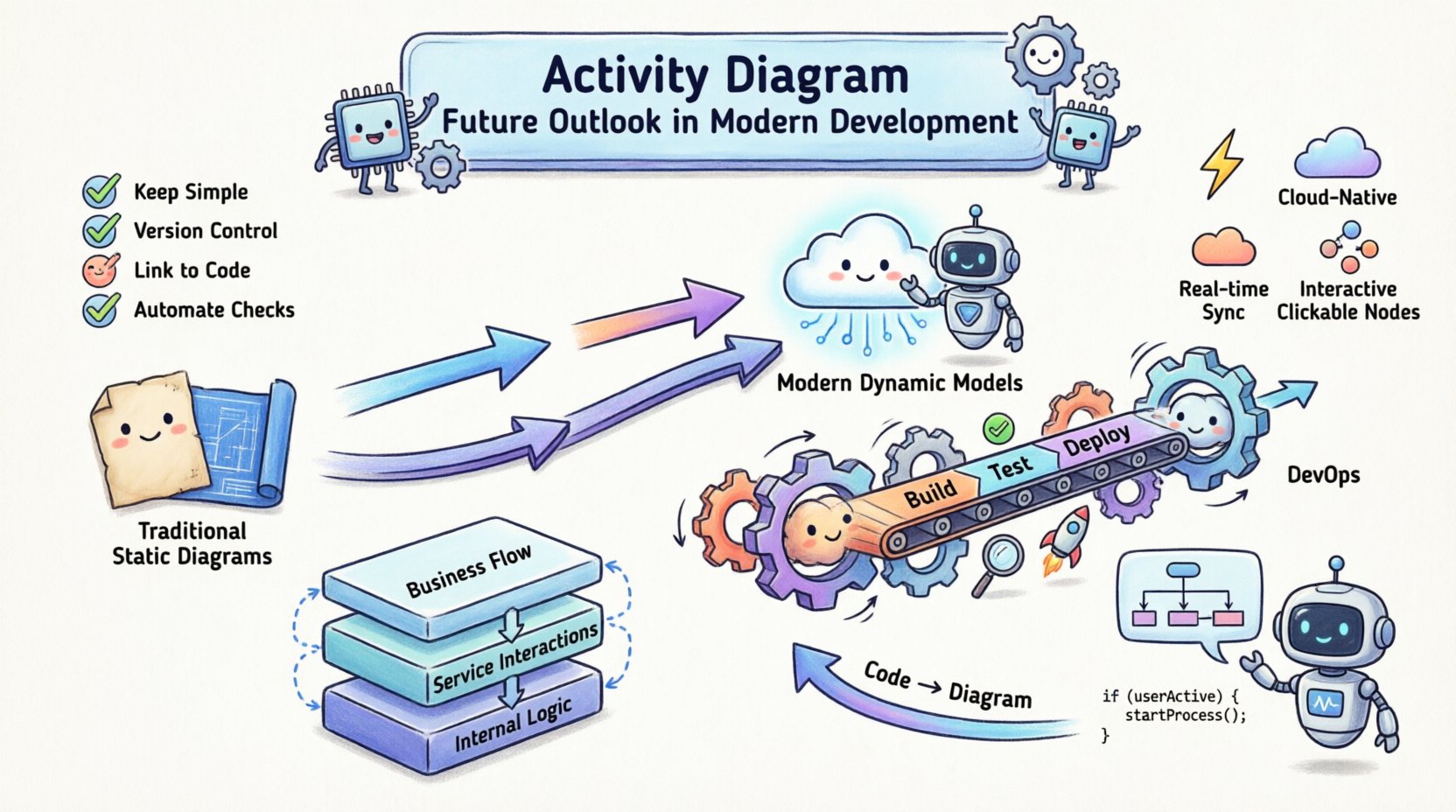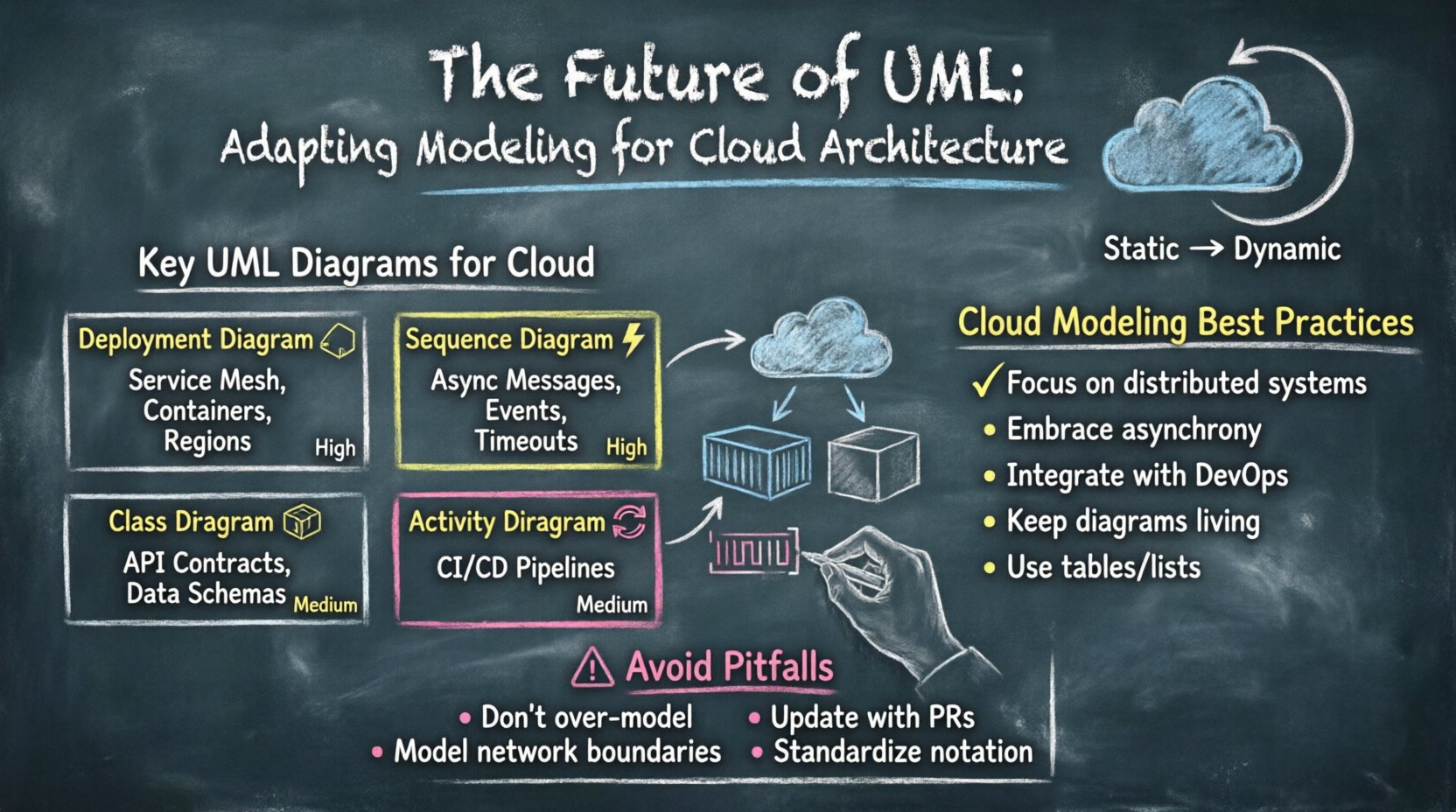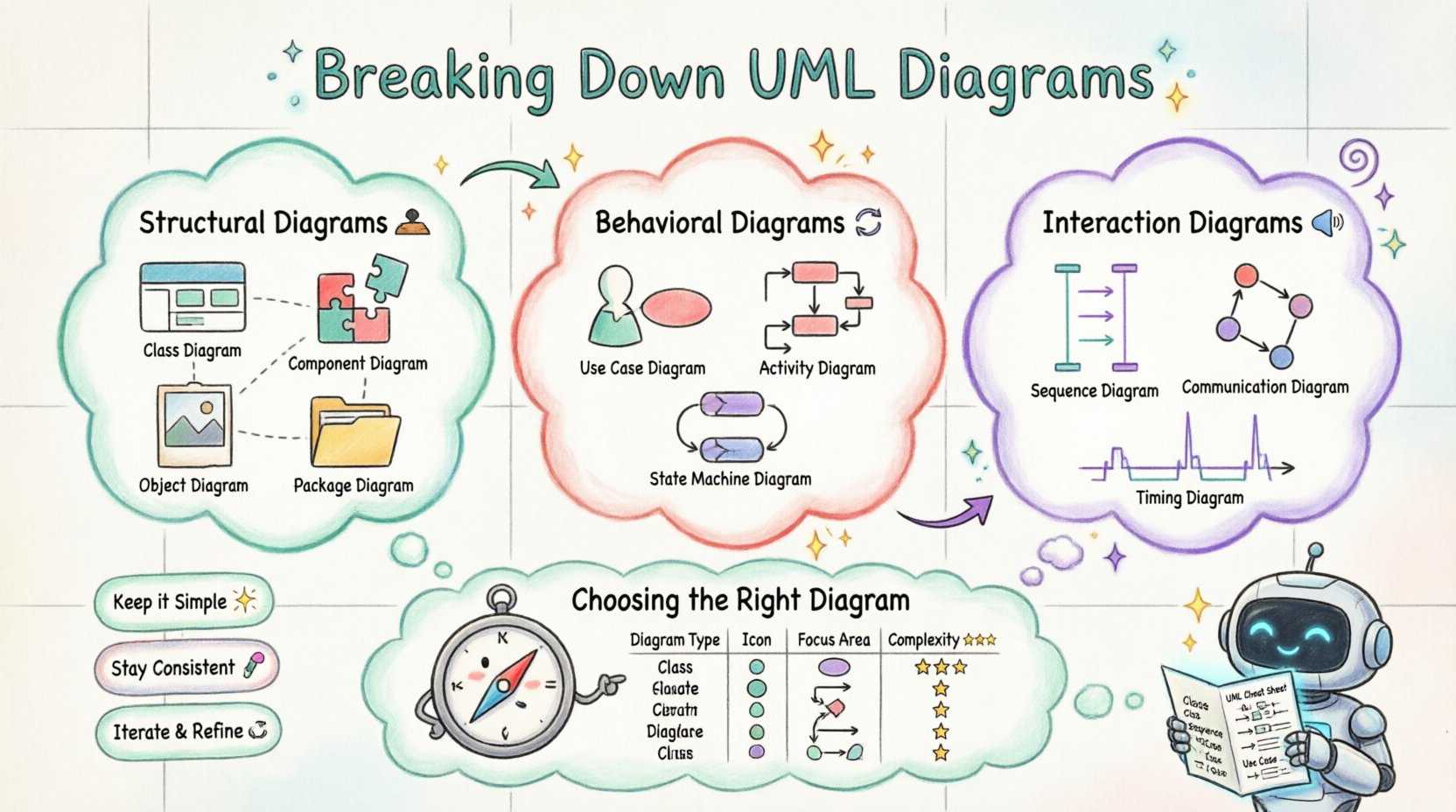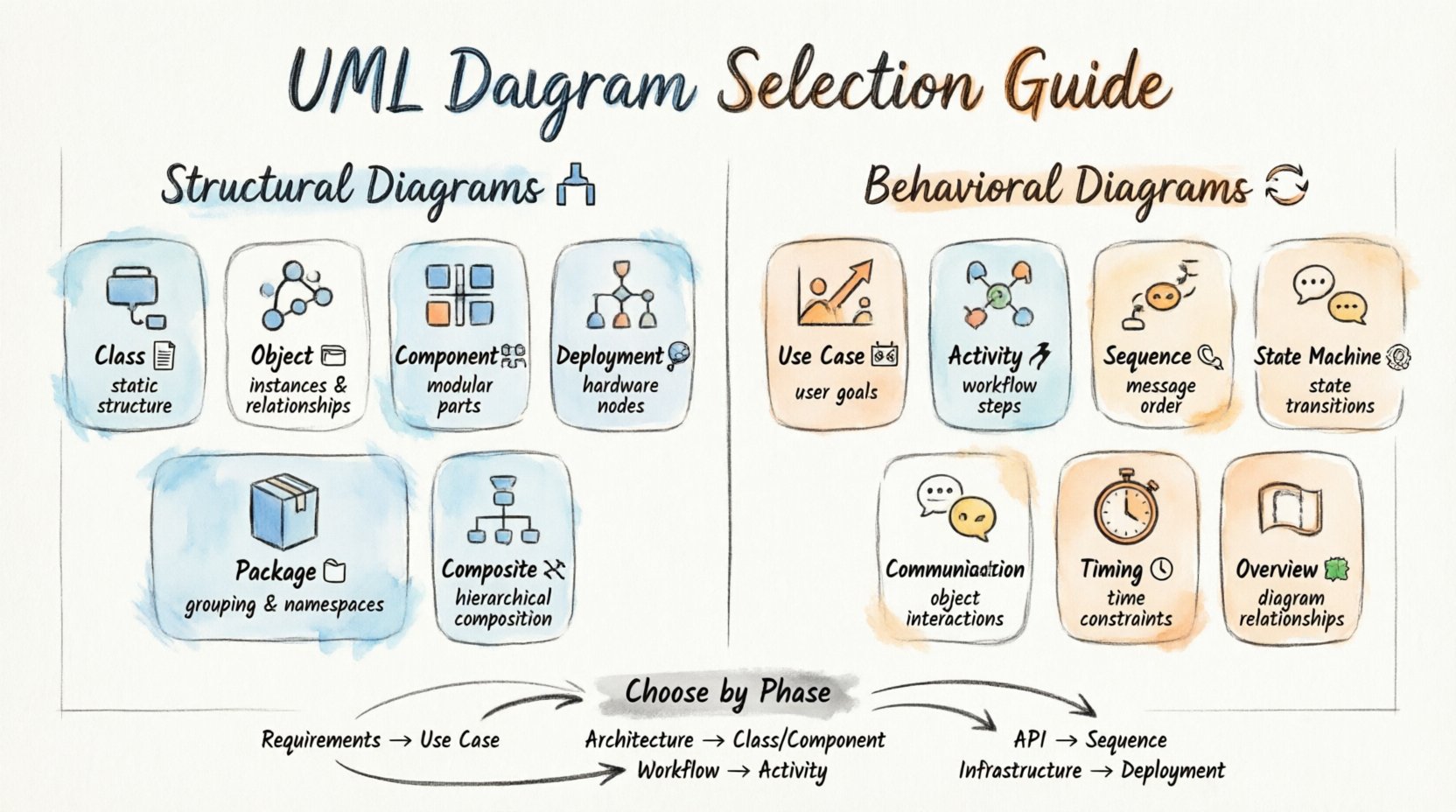
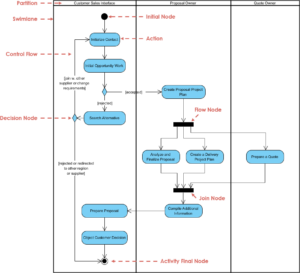
Activity diagrams are one of the most versatile tools in the Unified Modeling Language (UML) toolkit. They provide a dynamic view of a system, illustrating the flow of control from one activity to another. However, despite their widespread use in …
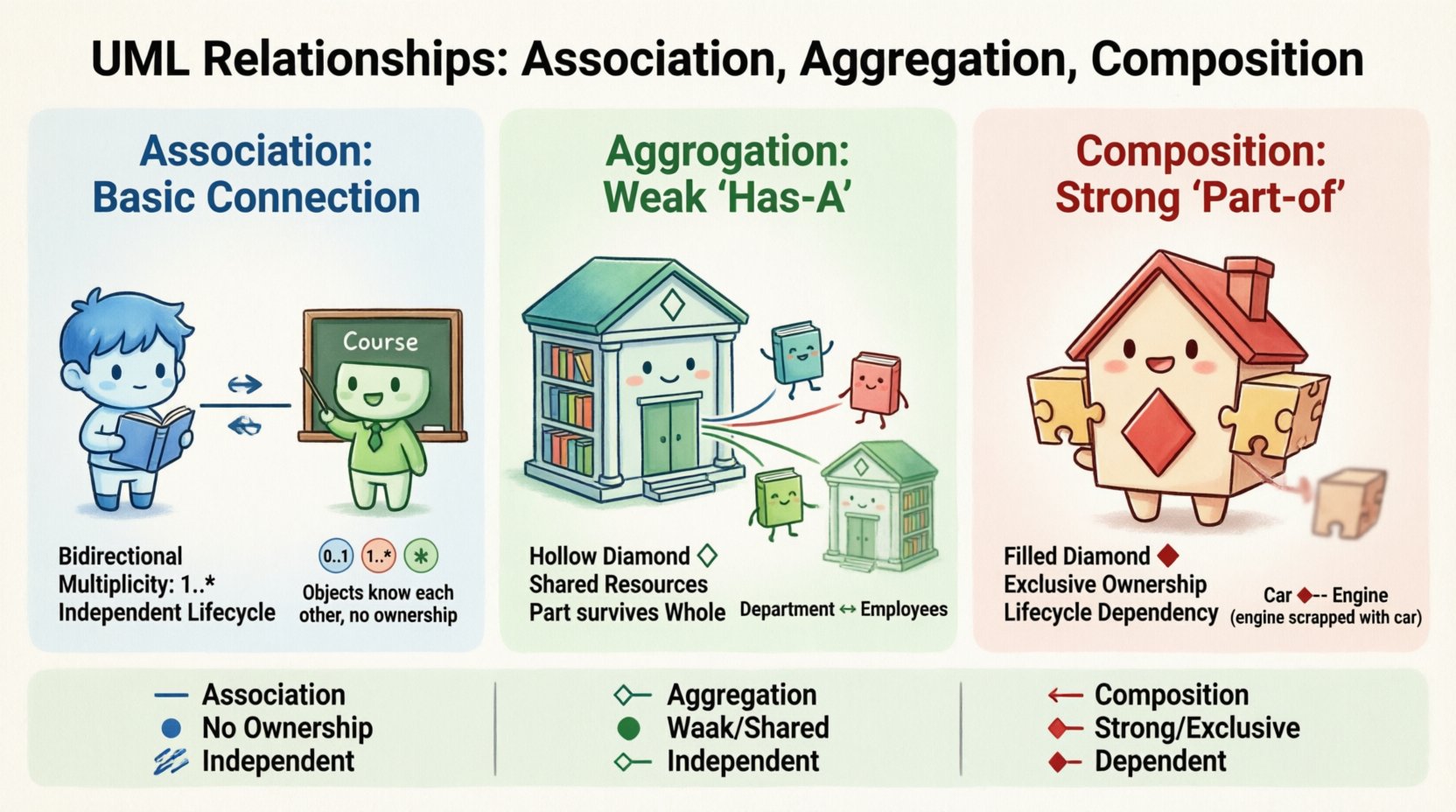
Unified Modeling Language (UML) serves as the standard visual language for specifying, constructing, and documenting the artifacts of software systems. While class diagrams form the backbone of object-oriented design, the true power lies in how these classes interact. The relationships …
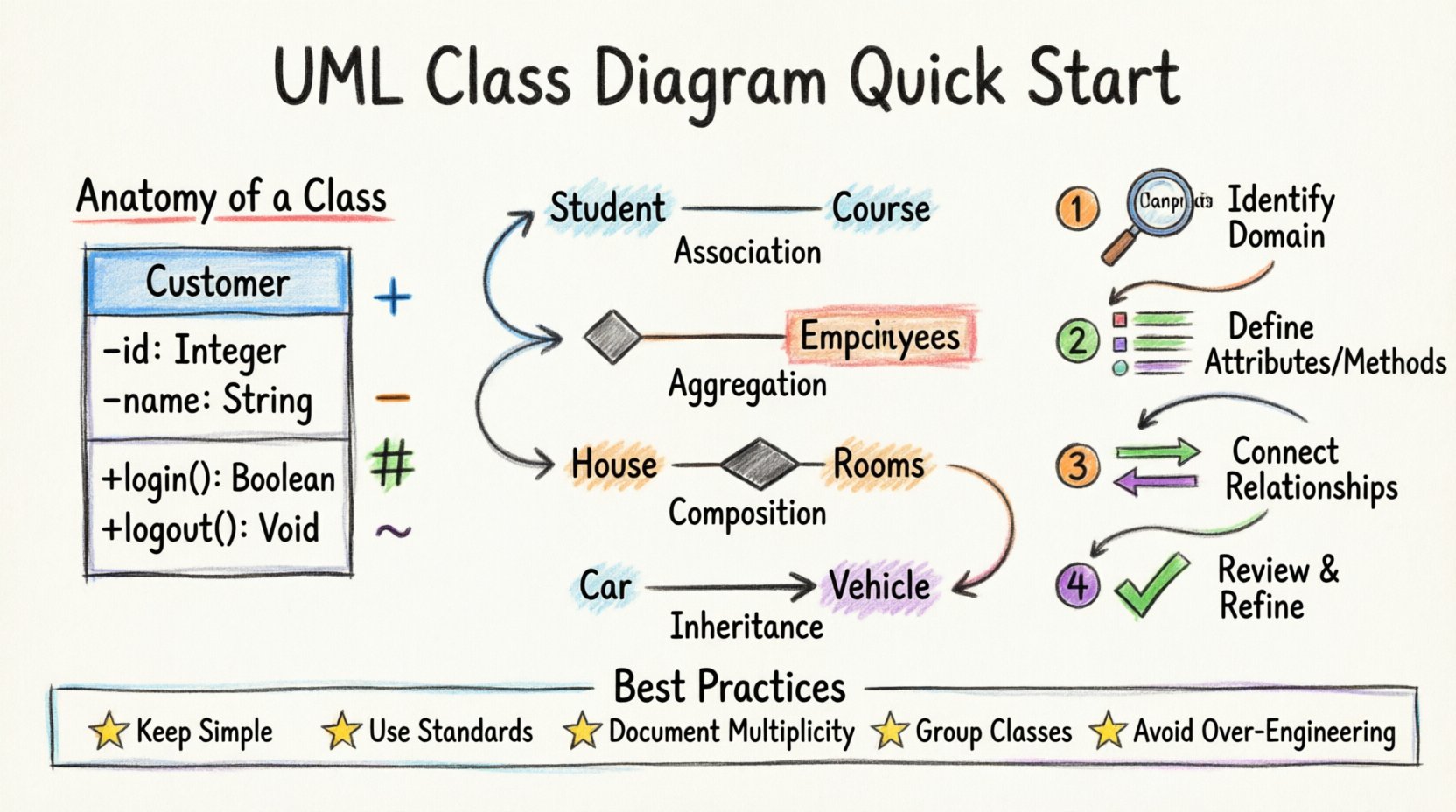
Understanding software architecture begins with visualization. Before writing a single line of code, developers and designers map out the structure of their applications. The Unified Modeling Language (UML) serves as the standard for these blueprints. Among the various diagram types, …
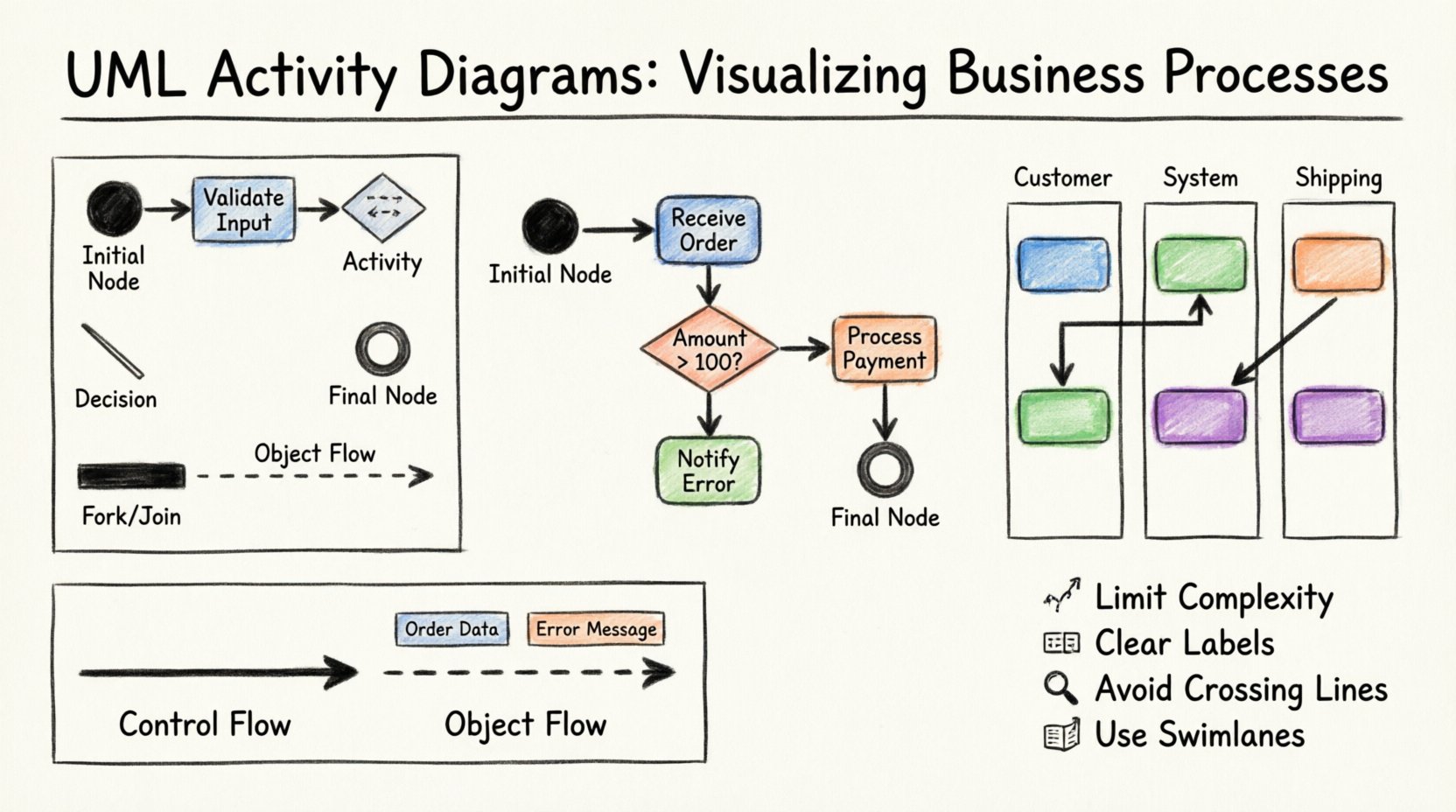
Unified Modeling Language (UML) provides a standardized way to visualize the design of a system. Among the various diagram types available, the UML activity diagram stands out as a powerful tool for modeling workflows. It combines elements of structured programming …
Software engineering continues to evolve at a breakneck pace, driven by cloud-native architectures, automated pipelines, and intelligent systems. Amidst this rapid transformation, visual modeling notations face a critical question: do they remain relevant, or do they become artifacts of the …
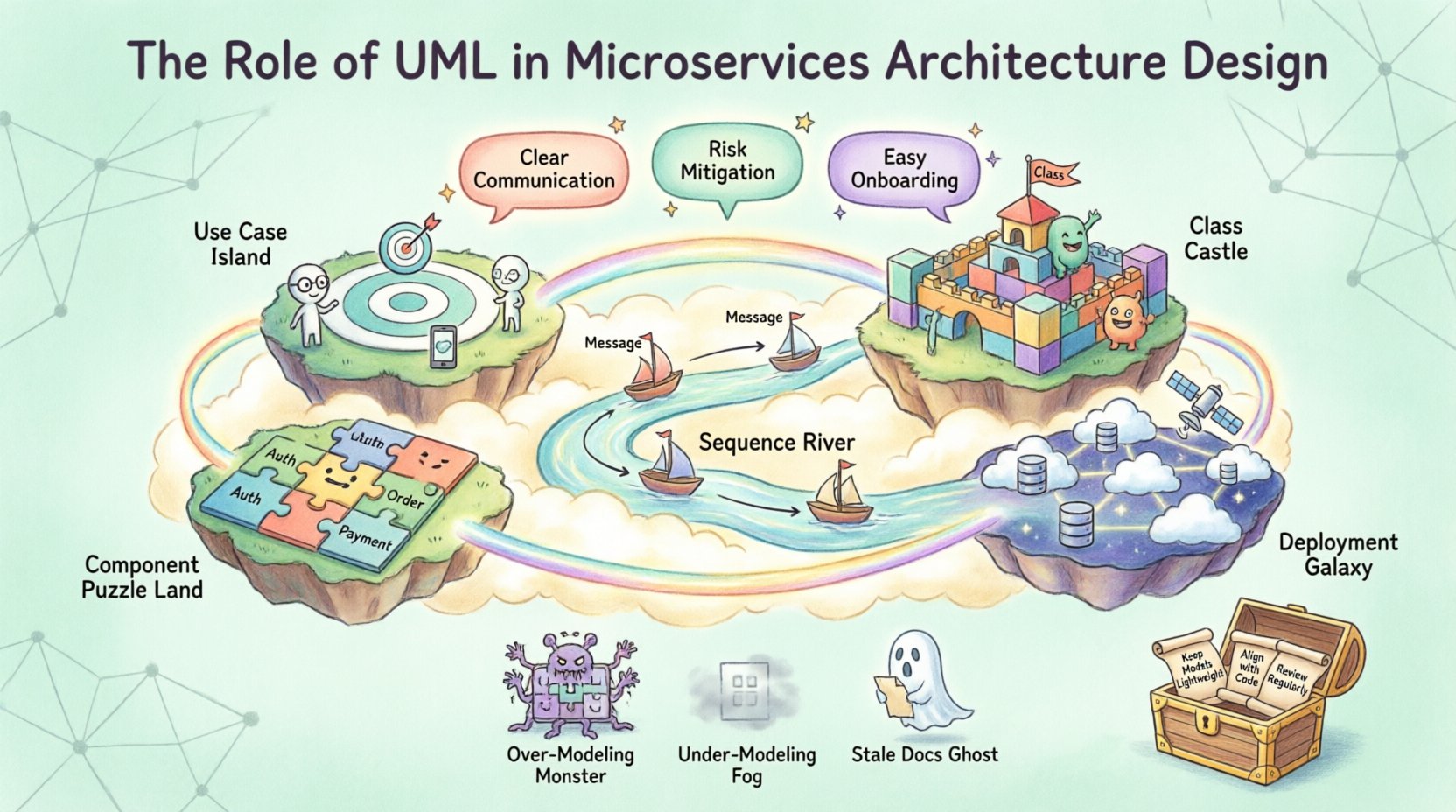
The landscape of software engineering has shifted dramatically. Where monolithic applications once reigned supreme, distributed systems now define the standard. This transition demands a re-evaluation of the tools we use to plan and visualize these complex structures. Unified Modeling Language …
Unified Modeling Language (UML) serves as the backbone for visualizing, specifying, constructing, and documenting the artifacts of software systems. For a system analyst, proficiency in UML is not merely an aesthetic preference; it is a critical communication tool. It bridges …
Unified Modeling Language (UML) serves as the universal blueprint for software architecture. It provides a standardized way to visualize, specify, construct, and document the artifacts of a system. However, the suite of diagram types available can be overwhelming. Selecting the …
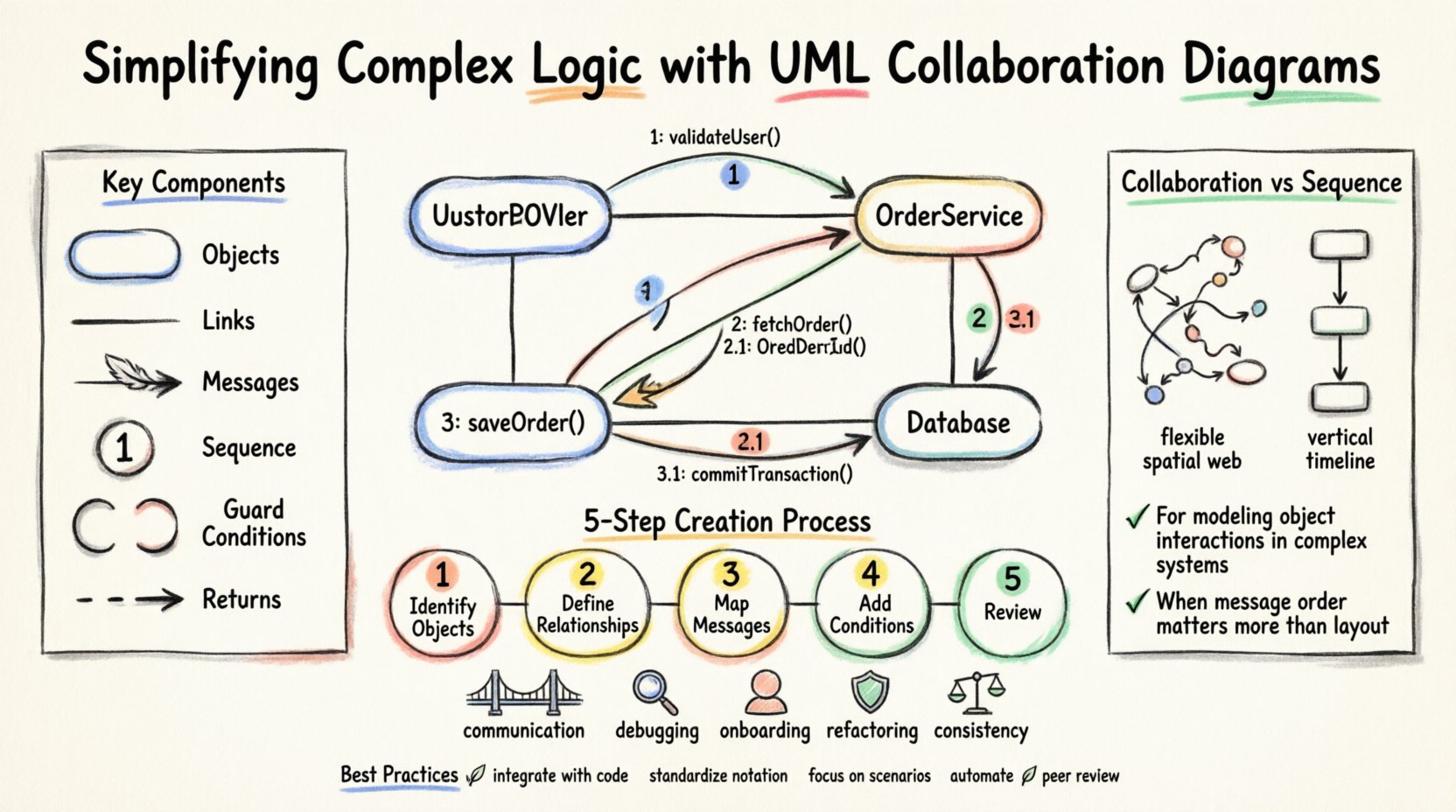
In modern software development, complexity is the only constant. As systems grow in size and functionality, the interactions between components become increasingly intricate. Teams often struggle to visualize these relationships, leading to miscommunication, architectural drift, and inefficient debugging processes. This …
Designing a distributed system requires precision, foresight, and clear communication. As software complexity grows, the need for standardized modeling becomes critical. Unified Modeling Language, or UML, serves as a blueprint for these intricate structures. It provides a common visual language …