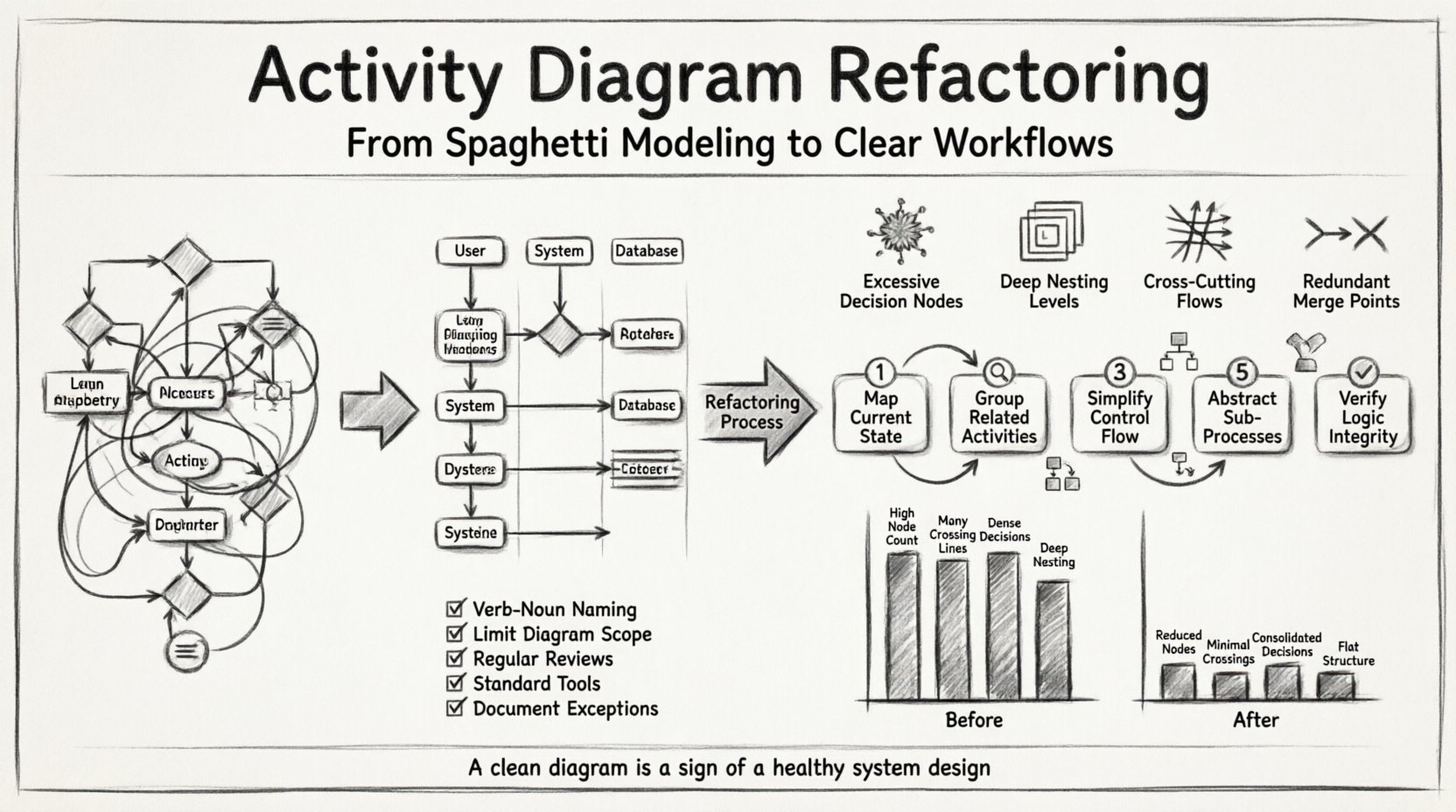
When technical documentation grows organically without strict governance, visual representations often suffer the same fate as source code. Activity diagrams, intended to clarify workflows and logic, can quickly devolve into tangled webs of lines and nodes. This phenomenon, often called …
Understanding the dynamic behavior of a system is a fundamental skill for any computer science student. While use case diagrams provide a high-level view of interactions, activity diagrams dive deeper into the logic and flow of operations. These diagrams are …
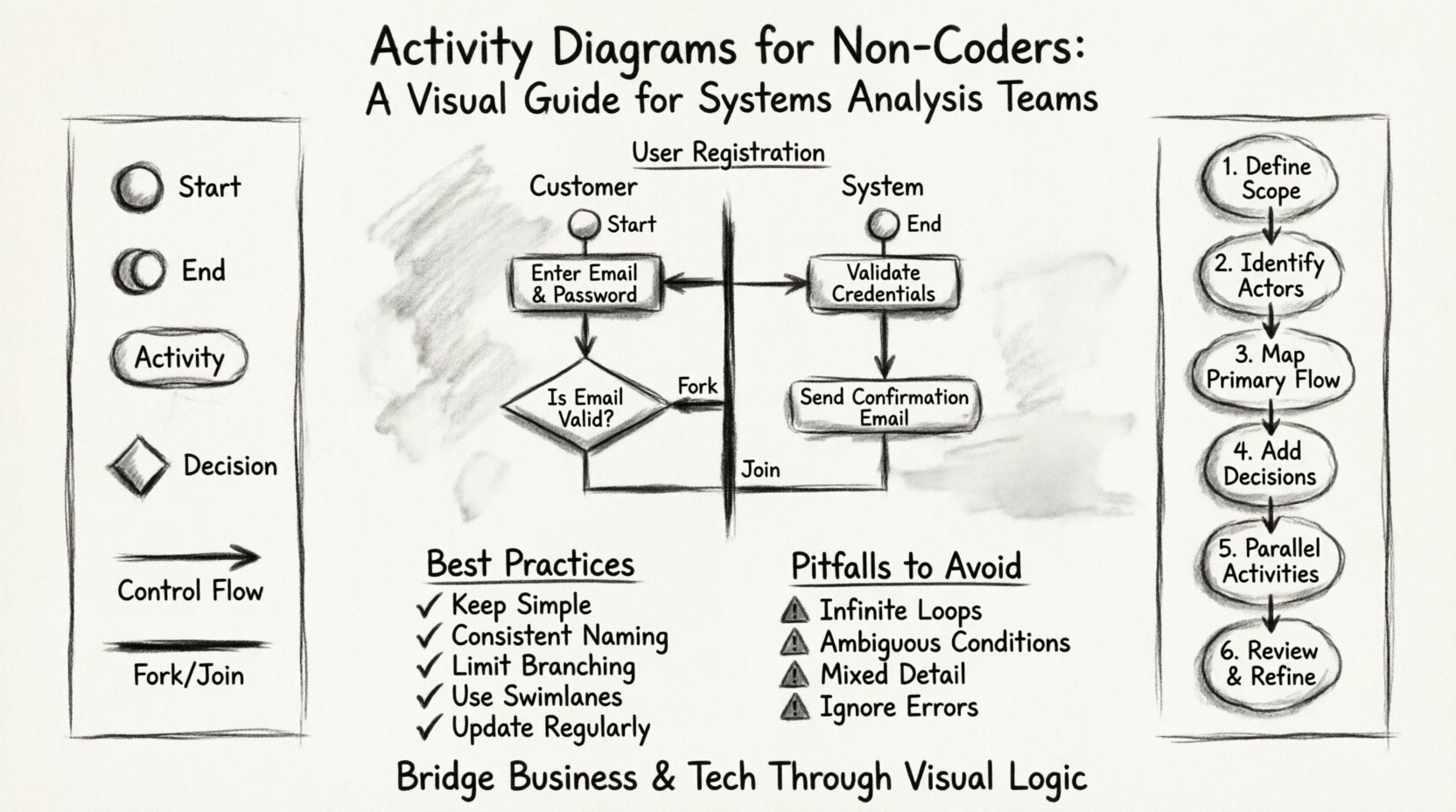
In systems analysis, bridging the gap between business requirements and technical implementation is a critical challenge. Often, this gap exists because the language of the business differs significantly from the language of development. Business stakeholders speak in processes, goals, and …
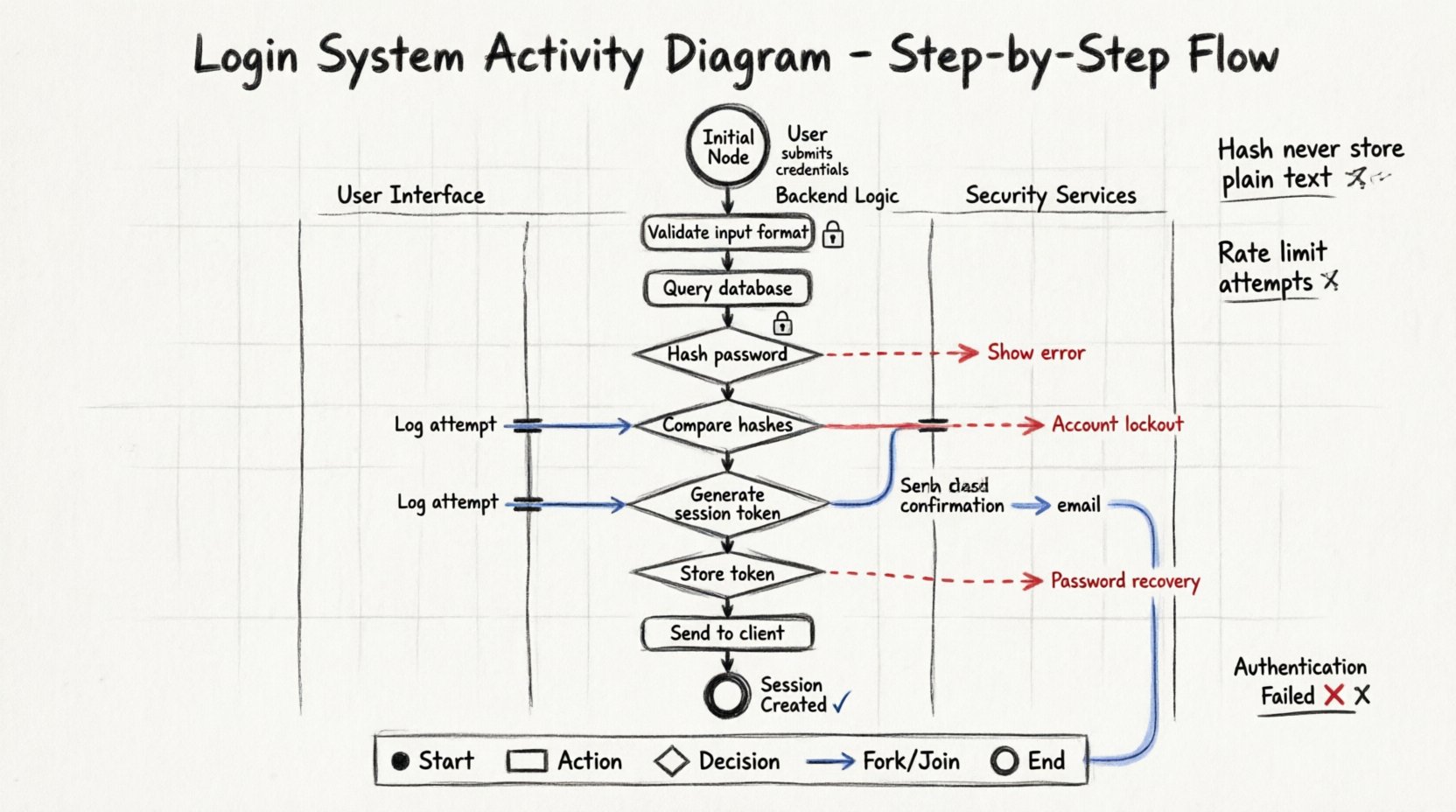
Designing secure and efficient authentication flows requires more than just writing code. It demands a clear visual representation of logic, decision points, and user interactions. An Activity Diagram serves as the blueprint for these processes, translating abstract requirements into a …
Computer Science students often encounter a disconnect between abstract programming logic and real-world business operations. While code executes instructions, business processes dictate the flow of value. Understanding this distinction is critical for effective system analysis and design. Activity diagrams serve …
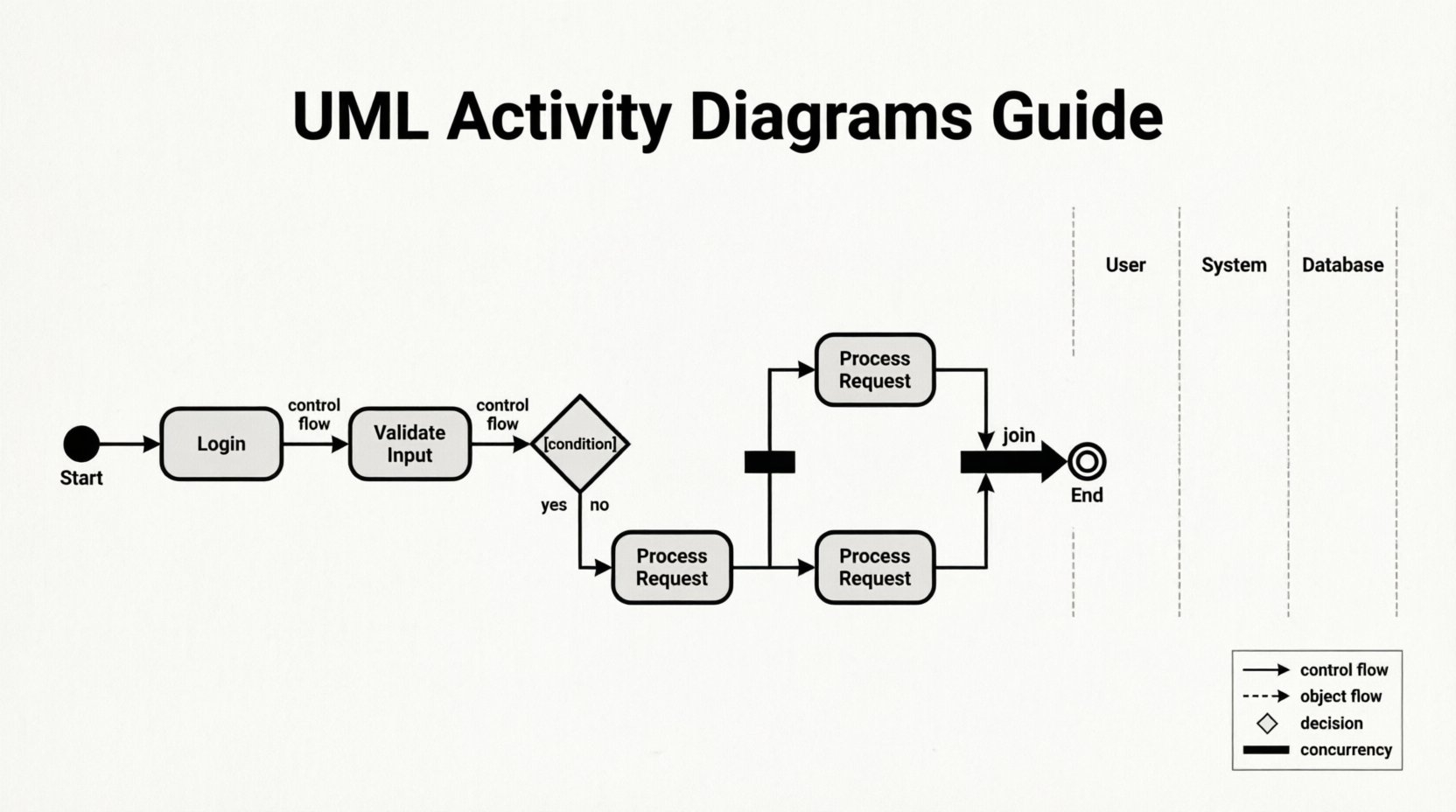
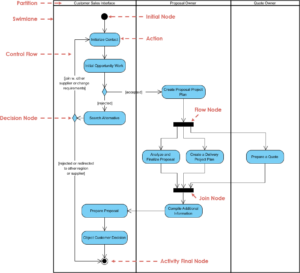
Activity diagrams are a critical component of the Unified Modeling Language (UML) ecosystem. They serve as the primary method for visualizing the dynamic behavior of a system. Unlike static structure diagrams that define what a system is, activity diagrams define …
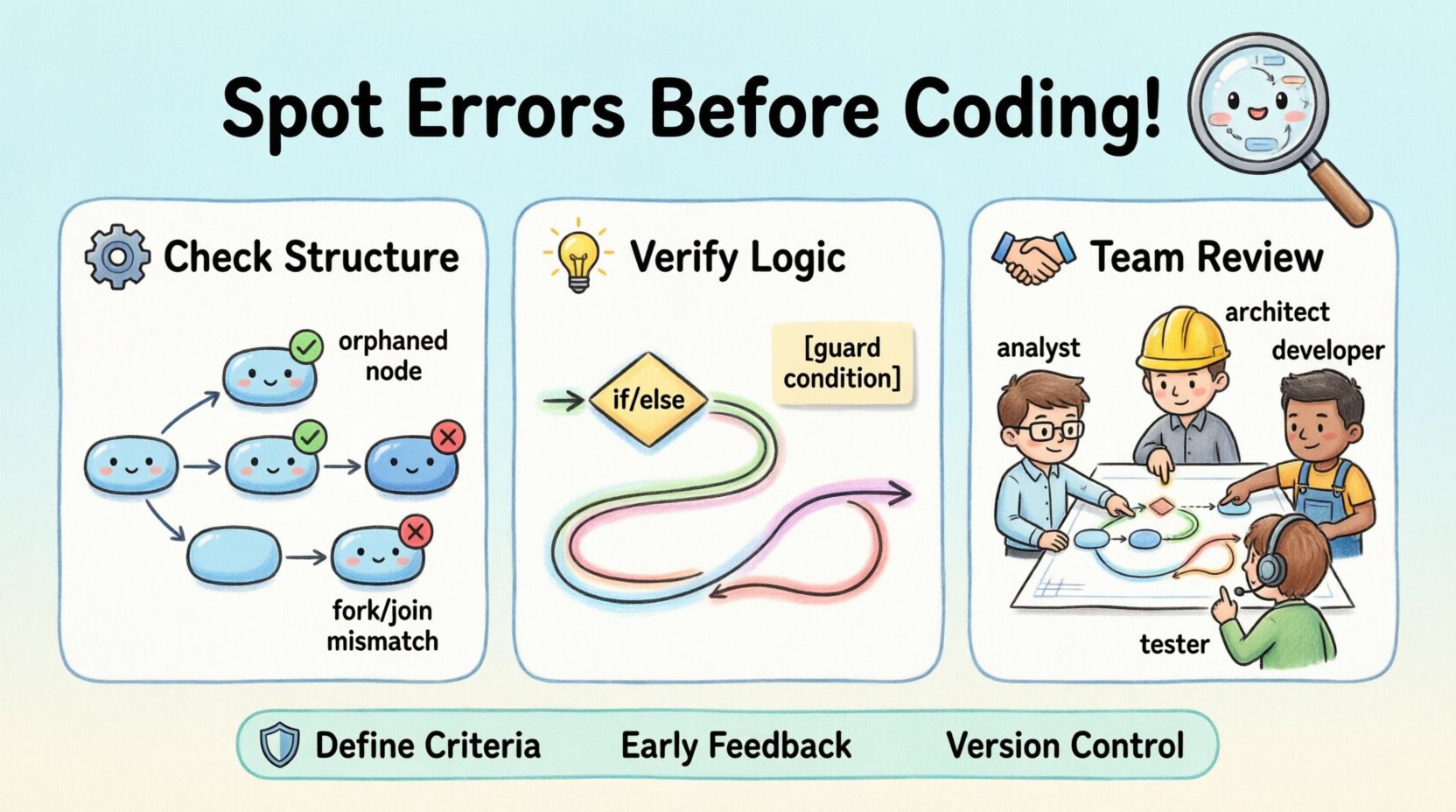
Designing complex systems requires precision. One of the most critical artifacts in this process is the activity diagram. It serves as a visual representation of the workflow, logic, and interactions within a system. However, a diagram drawn on paper or …
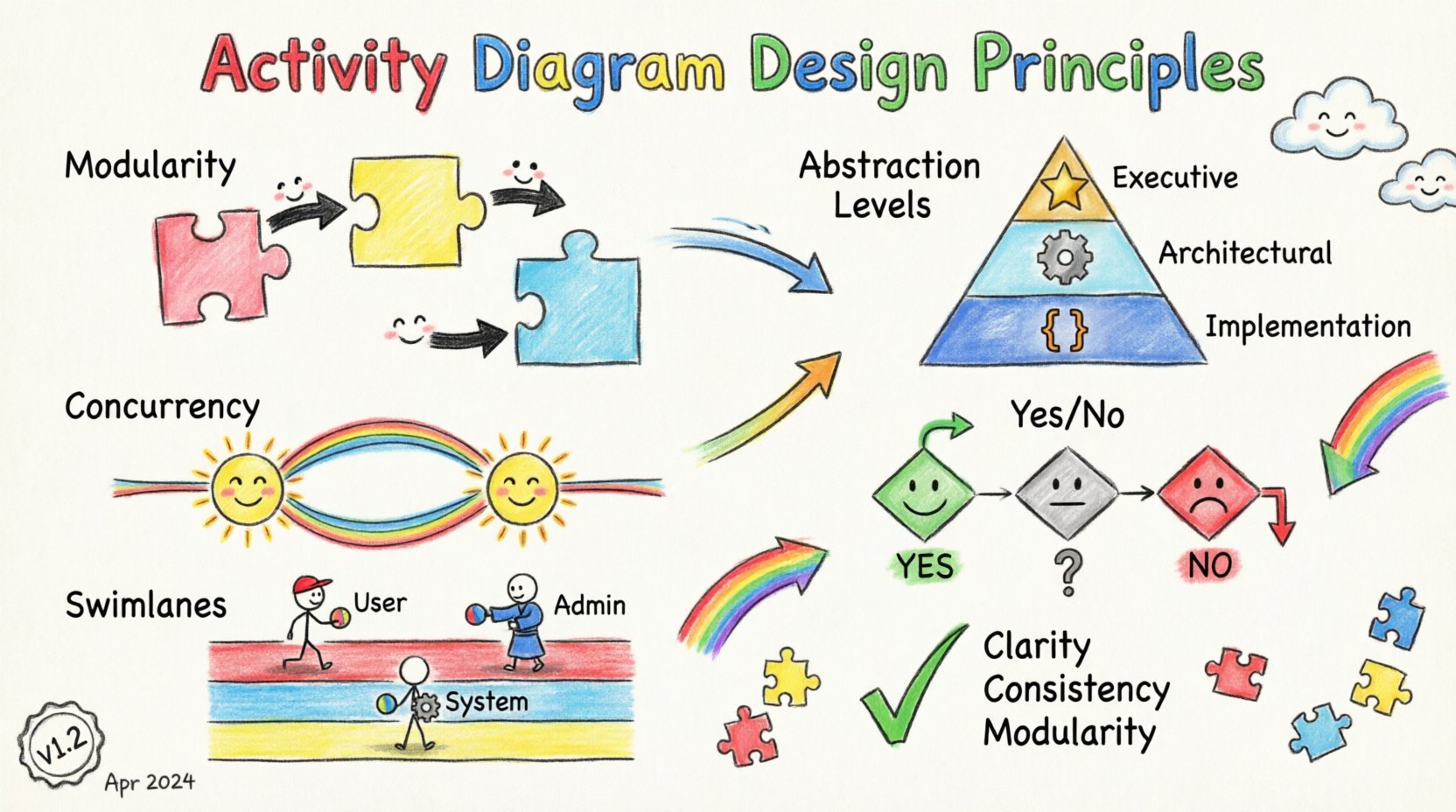
In the landscape of system architecture, visual clarity is not merely an aesthetic choice; it is a functional necessity. Activity diagrams serve as the backbone for understanding workflow logic, data flow, and process behavior within complex software ecosystems. As systems …
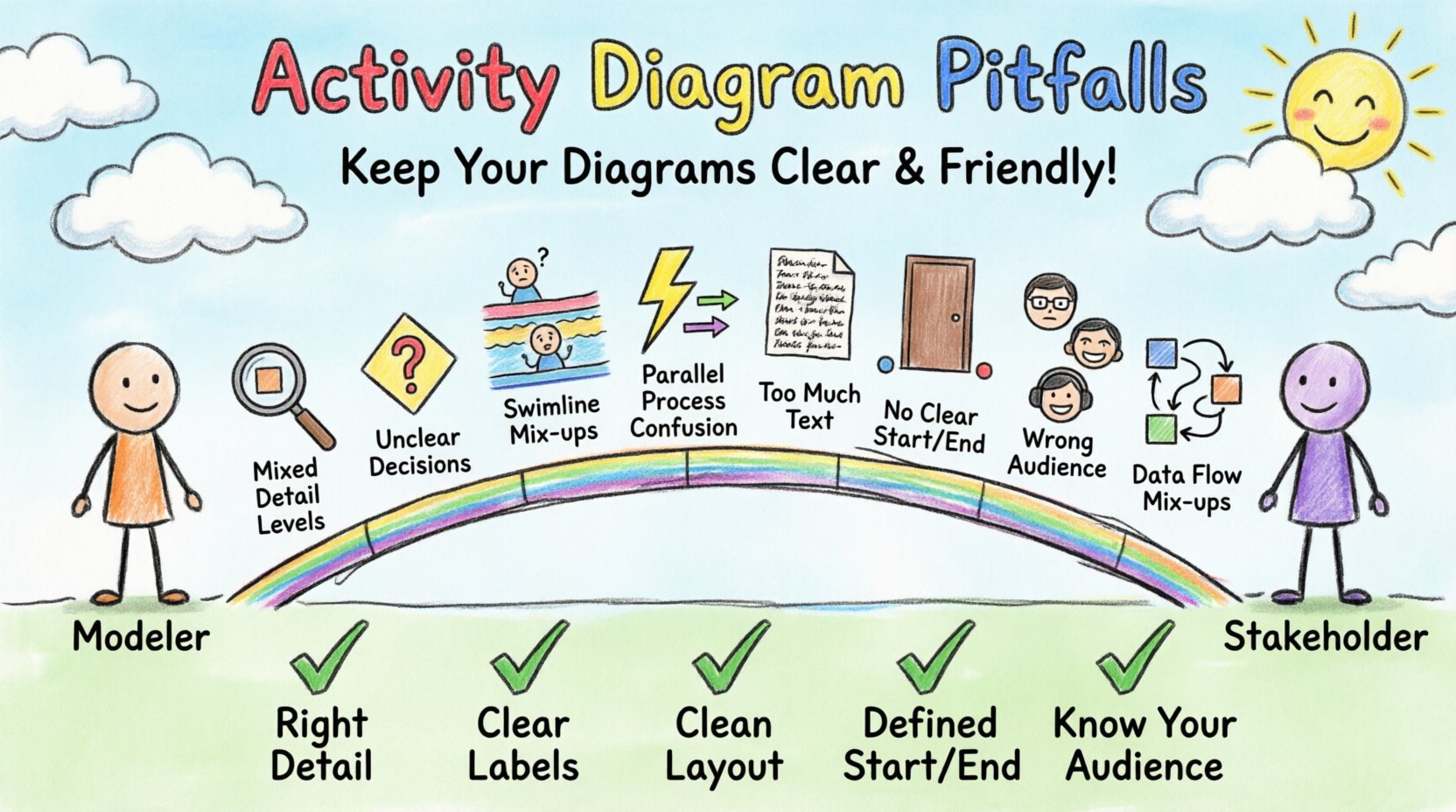
Activity diagrams are among the most powerful tools available for visualizing workflows, business processes, and system logic. They provide a roadmap of how actions flow from start to finish, highlighting decision points, parallel processes, and data movement. However, a diagram …
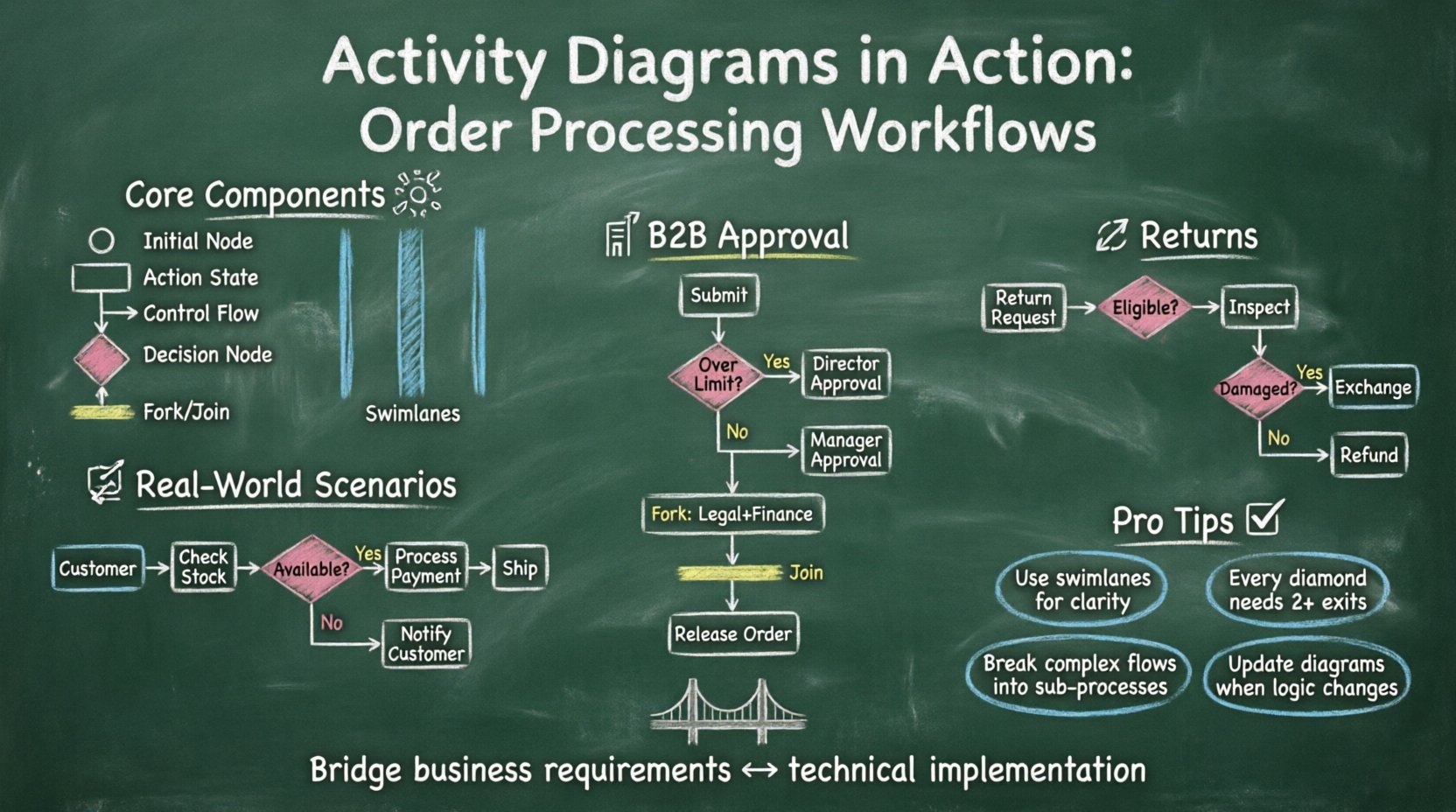
Understanding complex business processes is essential for system architects and developers. An activity diagram serves as a powerful tool to visualize the flow of activities within a system. Specifically, when modeling order processing workflows, these diagrams clarify how data moves, …