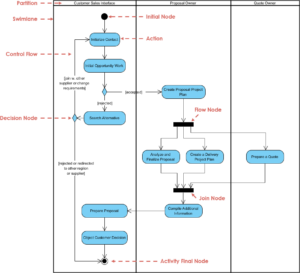
A use case is a structured description of a system’s behavior in response to external stimuli (usually from users or other systems). It outlines a specific interaction between an actor (a user or another system) …
Use cases are essential tools in software development, helping teams define functional requirements and user interactions with a system. When it comes to elaborating these use cases, two popular UML diagrams can be employed: activity diagrams and sequence diagrams. This …
Use cases are fundamental in software development, providing a clear understanding of user interactions with a system. However, to fully grasp the dynamics of these interactions, sequence diagrams can be …
Component diagrams are a vital part of Unified Modeling Language (UML) that focus on the physical aspects of a system. Unlike other UML diagrams that illustrate functionality or behavior, component diagrams provide a static view of the components that make …
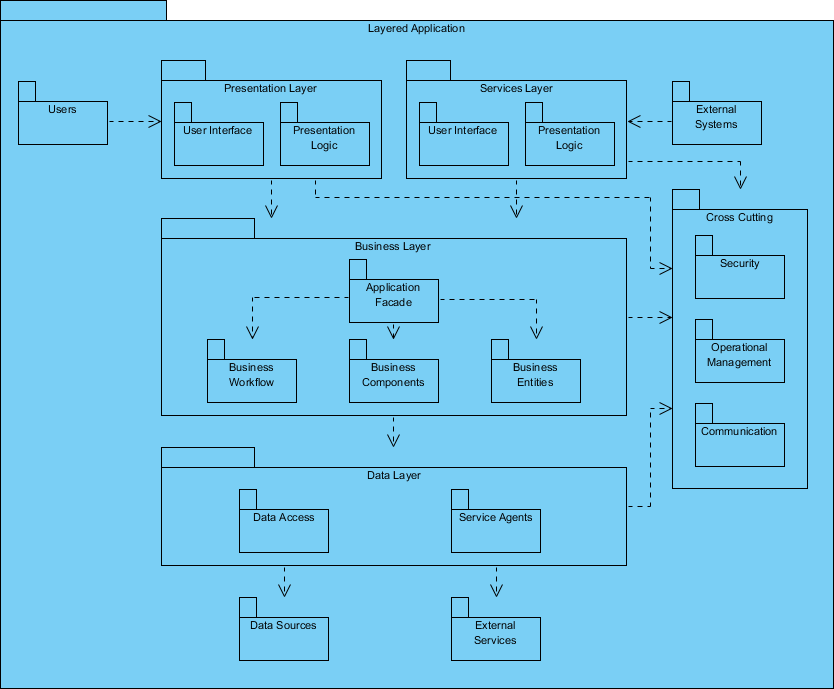
This tutorial will guide you through the creation and understanding of a UML Package Diagram, using the provided diagram of a layered application as a case study. Package diagrams are essential for visualizing the organization of a system, its …
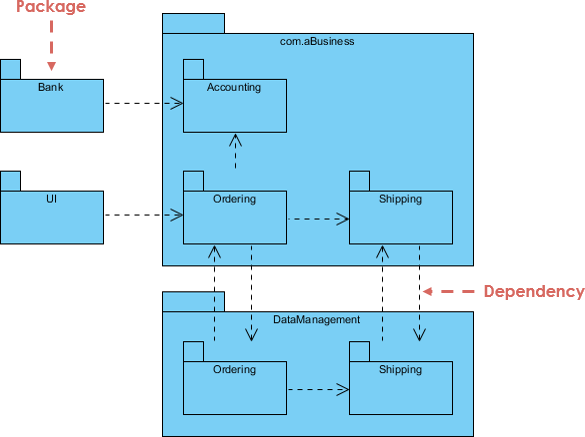
This case study analyzes a UML package diagram that illustrates the architecture of a business application. The diagram outlines the structure, relationships, and dependencies among various components, providing insights into the design rationale and implementation steps.
A use case template is a structured document that outlines the interactions between users (or actors) and a system to achieve a specific goal. It serves as a blueprint for capturing functional requirements, detailing …
Use case modeling is a fundamental technique in software development that helps capture user requirements and system functionalities. One of the critical components of a use case is the “Flow of Events,” which describes the sequence of interactions between actors …
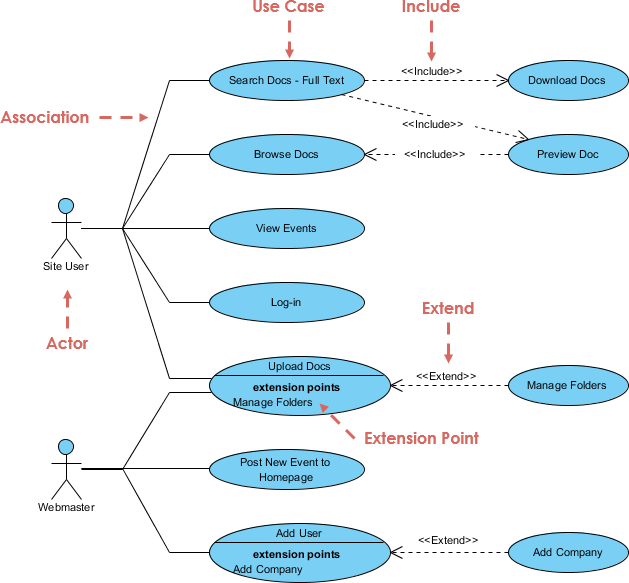
This case study explores the use case modeling for a document management system, illustrating the what, why, and how of effective use case diagrams. The accompanying image provides a visual representation of key use cases, highlighting interactions between users …
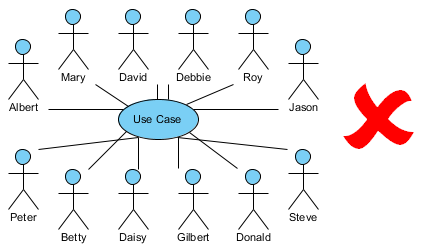
Use case modeling, particularly through UML use case diagrams, is often subject to common misconceptions. Some perceive these diagrams as overly simplistic and lacking in significant detail, while others believe they are capable of encapsulating all facets of software development. …