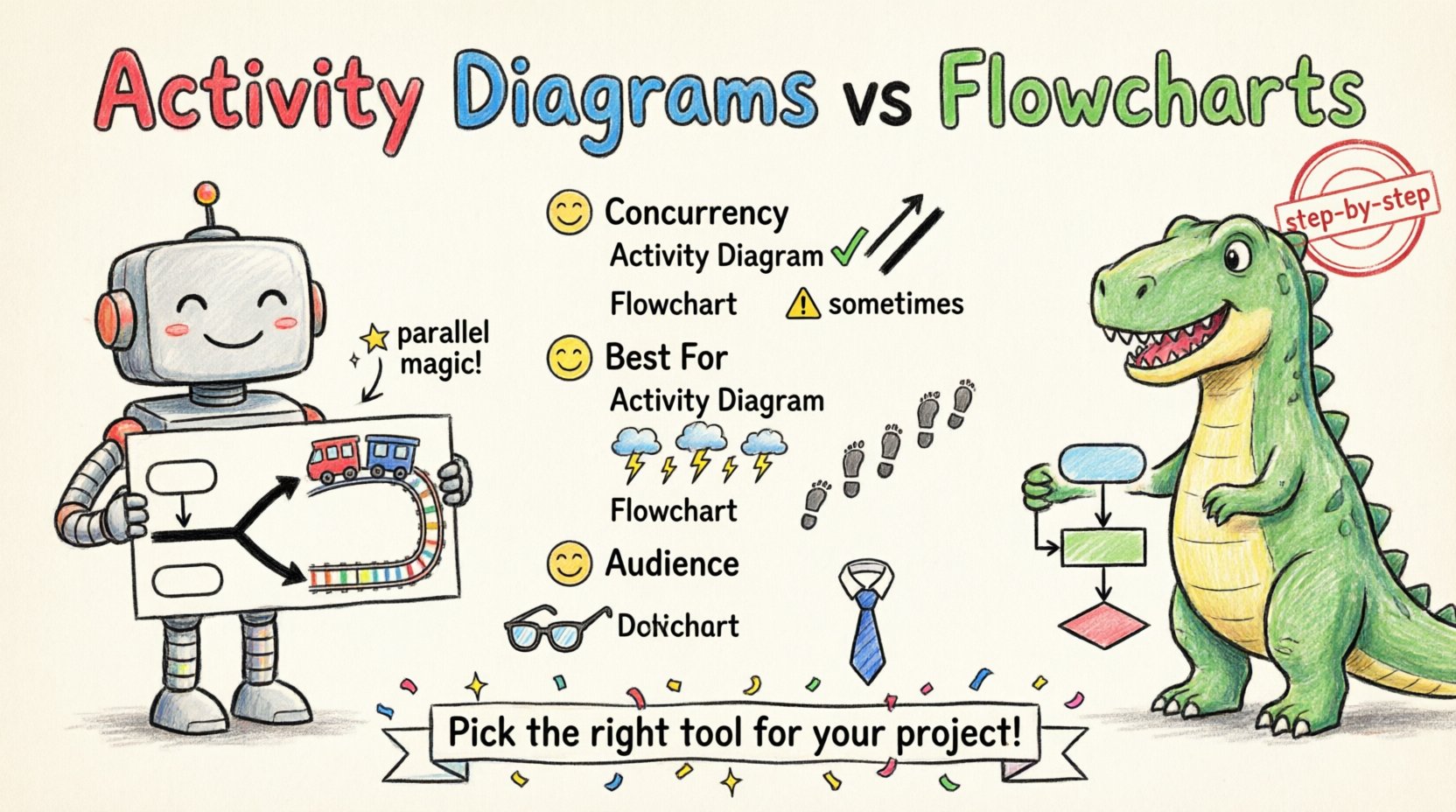
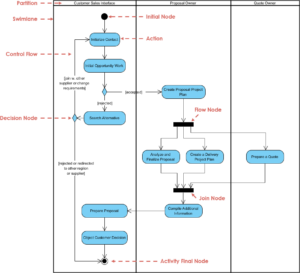
Systems analysis relies heavily on visual communication to translate complex business requirements into structured technical specifications. When mapping processes, two primary modeling techniques dominate the landscape: activity diagrams and flowcharts. While they share visual similarities, the distinctions between them are …
Understanding how software behaves requires more than just reading code. It demands a visual language that bridges the gap between technical logic and business requirements. This is where activity diagrams come into play. These diagrams map out the flow of …
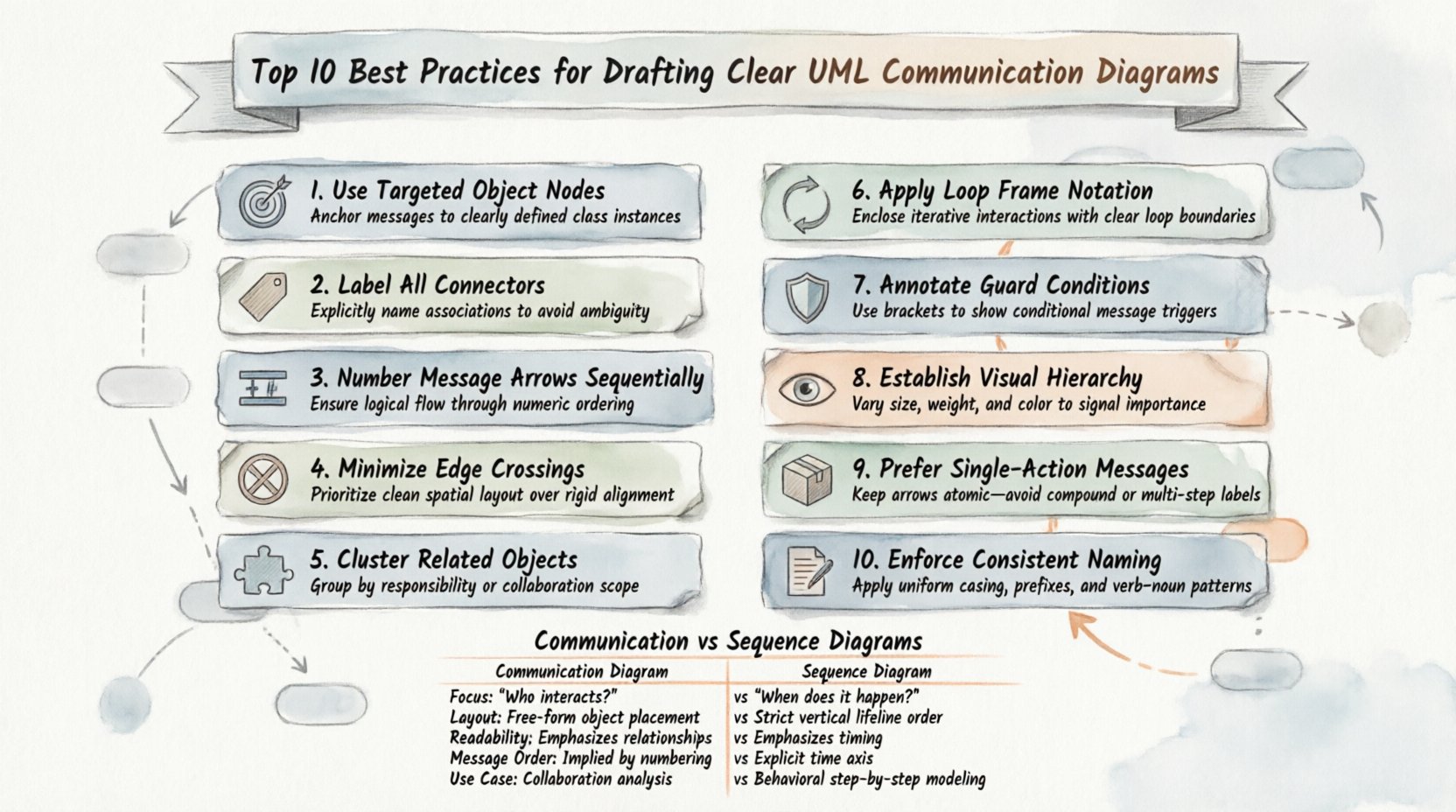
System modeling requires precision, clarity, and a shared understanding among stakeholders. Among the various diagram types available in the Unified Modeling Language (UML), the Communication Diagram offers a unique perspective on object interactions. Unlike other structural or behavioral diagrams, this …
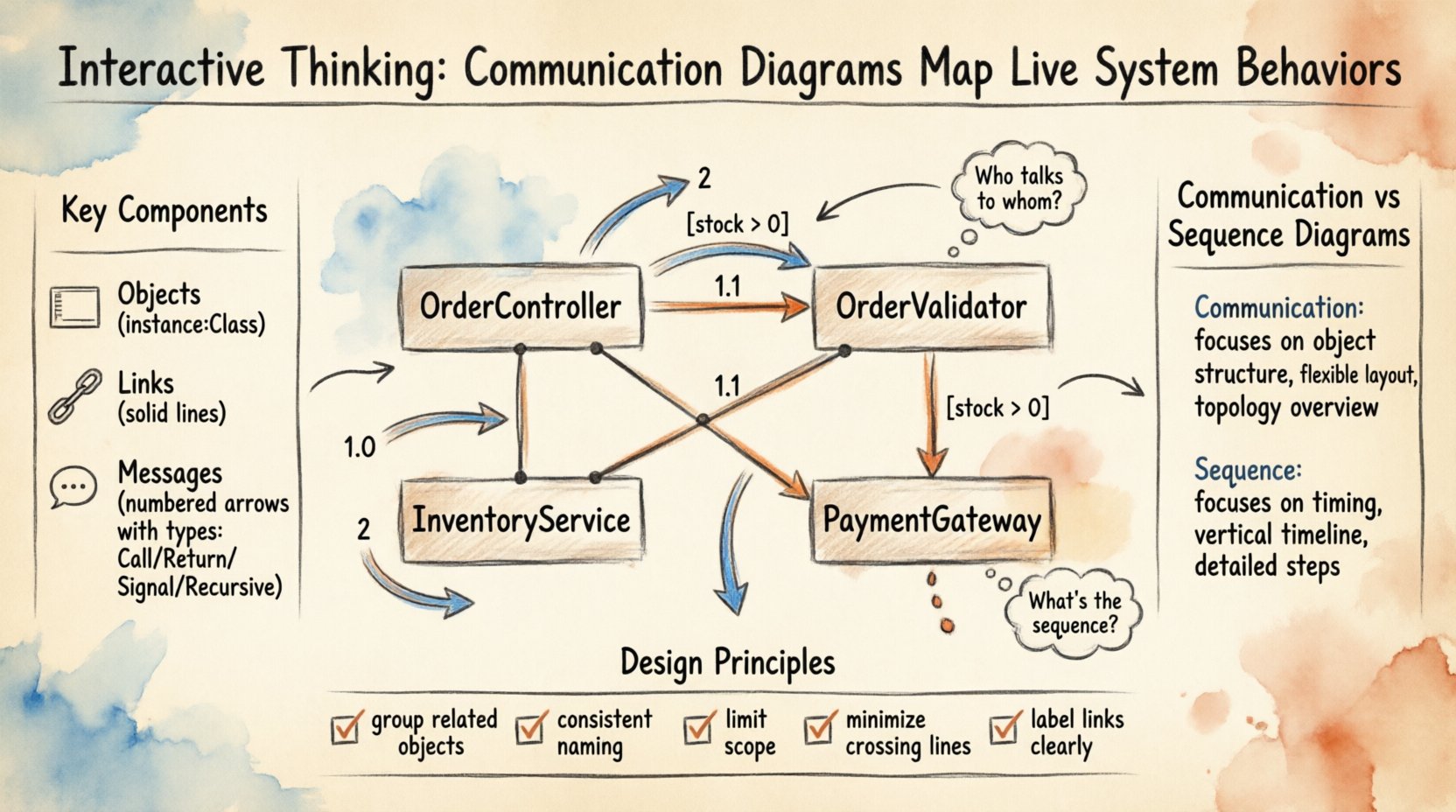
Building complex software is akin to orchestrating a symphony where every instrument plays at a specific moment, often reacting to the sound of others. To understand the music, one must see the score. In software architecture, communication diagrams serve as …
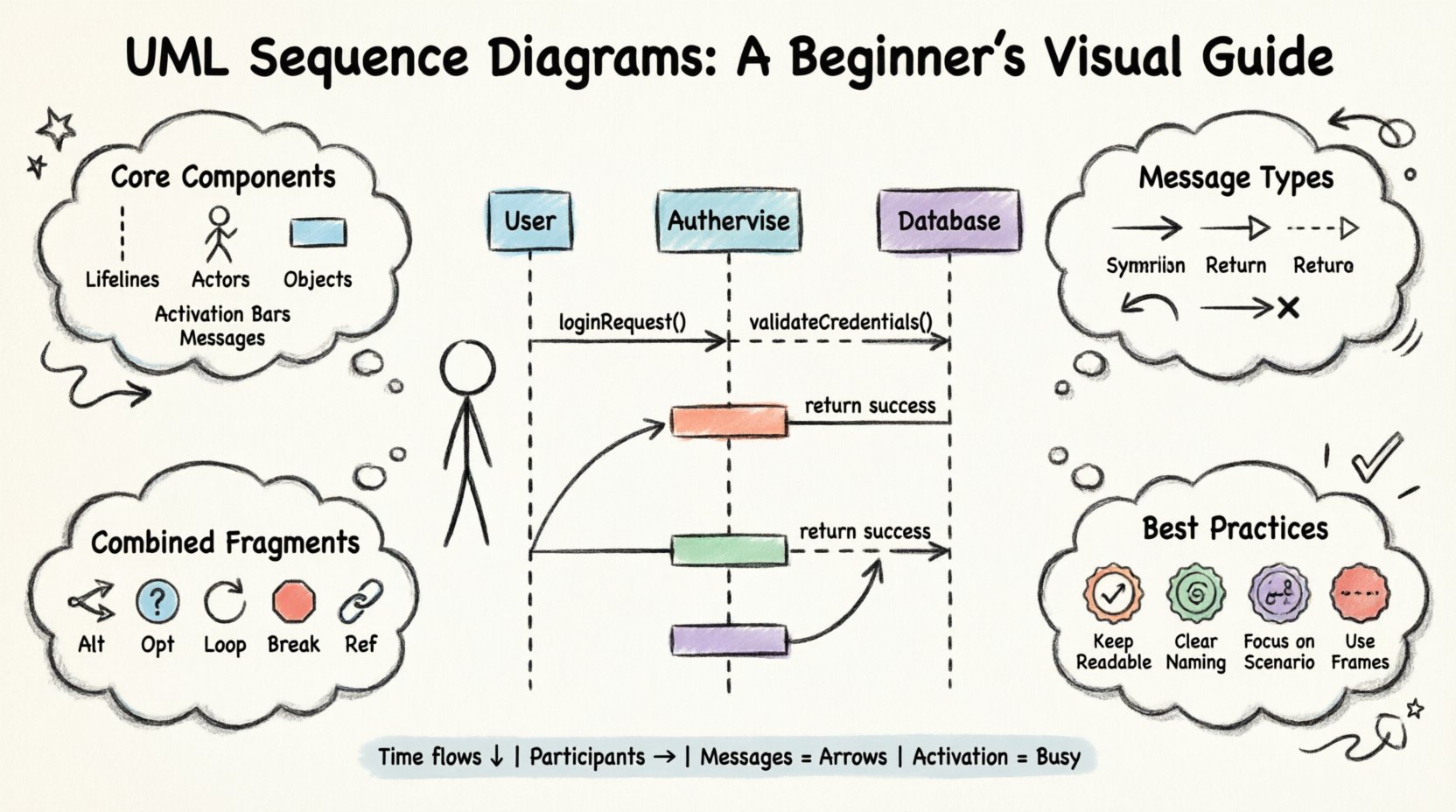
Understanding how different components of a software system interact is fundamental to robust engineering. While code executes logic, design documents communicate intent. Among the many tools available for visualizing system behavior, the Unified Modeling Language (UML) sequence diagram stands out …
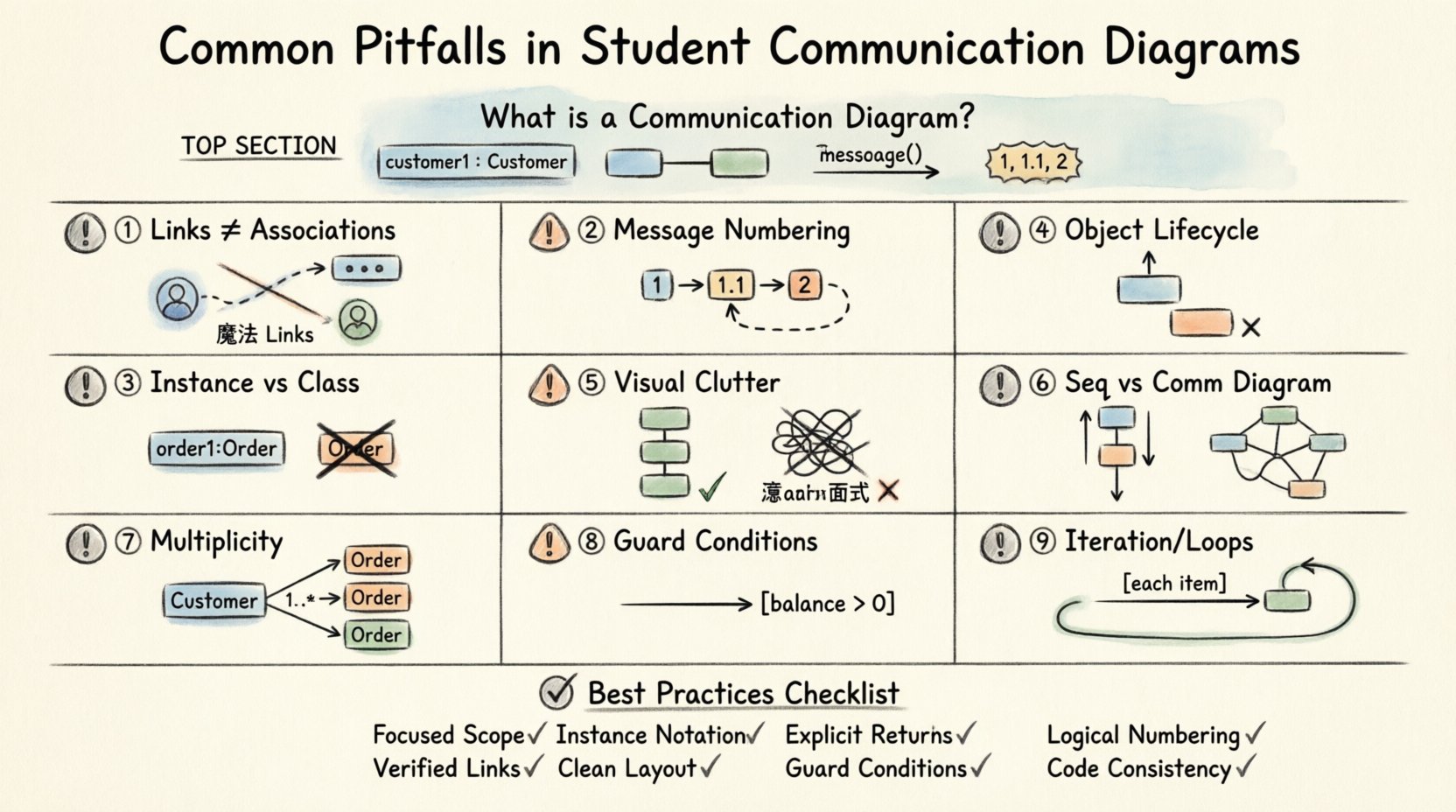
Creating a Communication Diagram is a fundamental skill for anyone studying software design and system architecture. These diagrams visualize how objects interact to achieve a specific behavior. However, students often encounter significant hurdles when translating their mental models of system …
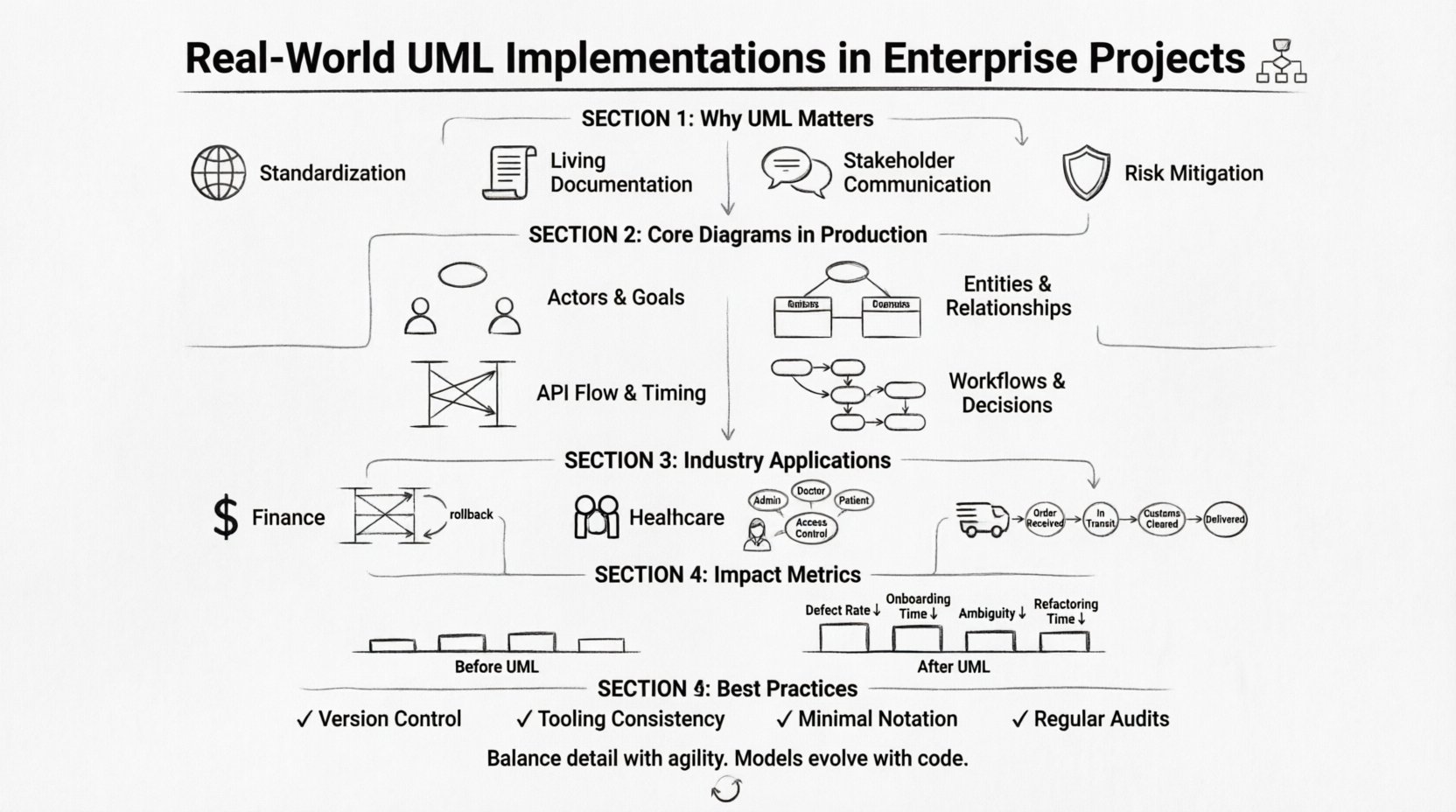
Large-scale software systems require precision. In enterprise environments, where millions of dollars and critical operations hang in the balance, ambiguity is a liability. Unified Modeling Language (UML) offers a standardized way to visualize, specify, construct, and document the artifacts of …
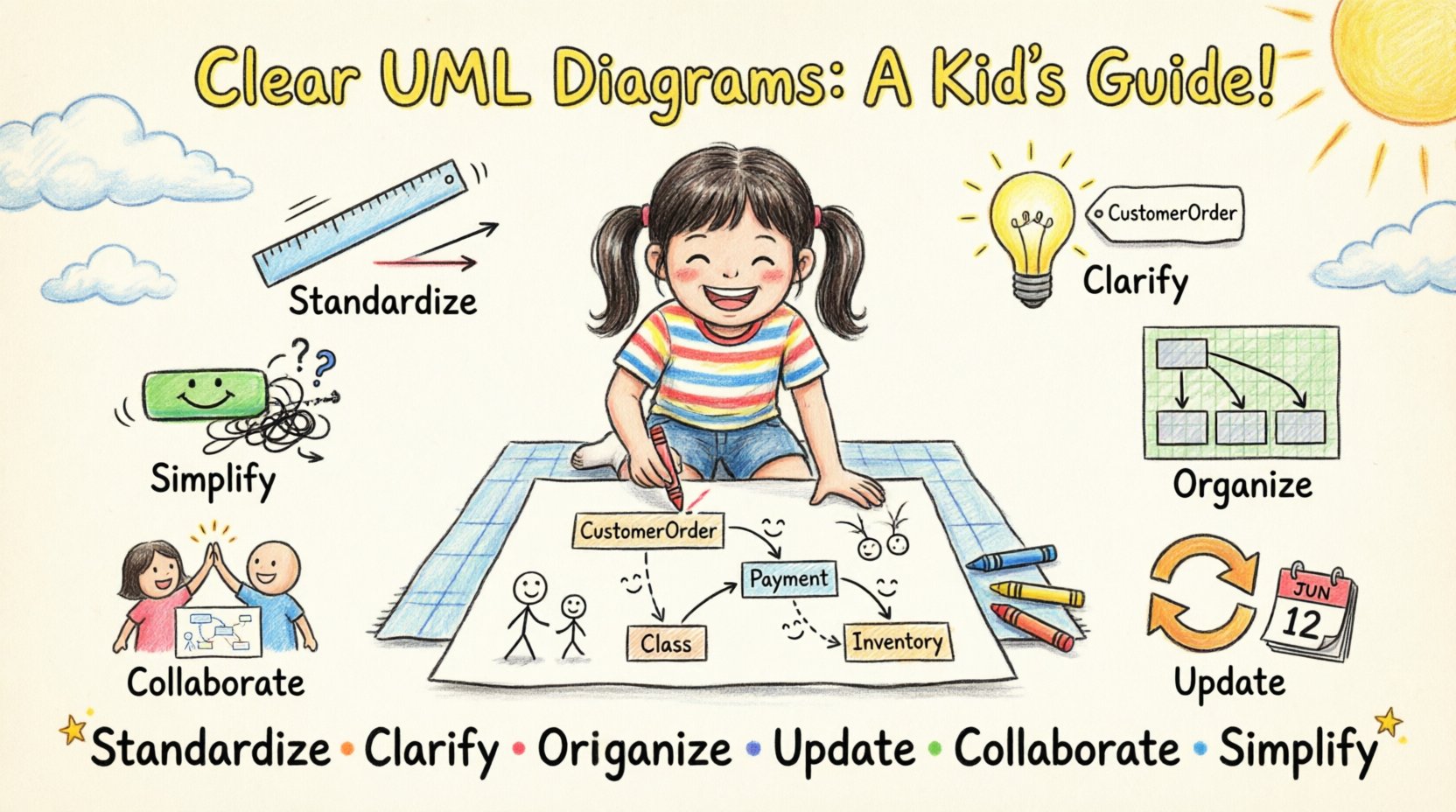
Unified Modeling Language (UML) serves as the backbone for software architecture documentation. It provides a standardized way to visualize system design, ensuring that all stakeholders share a common understanding of the structure and behavior. However, the mere existence of a …
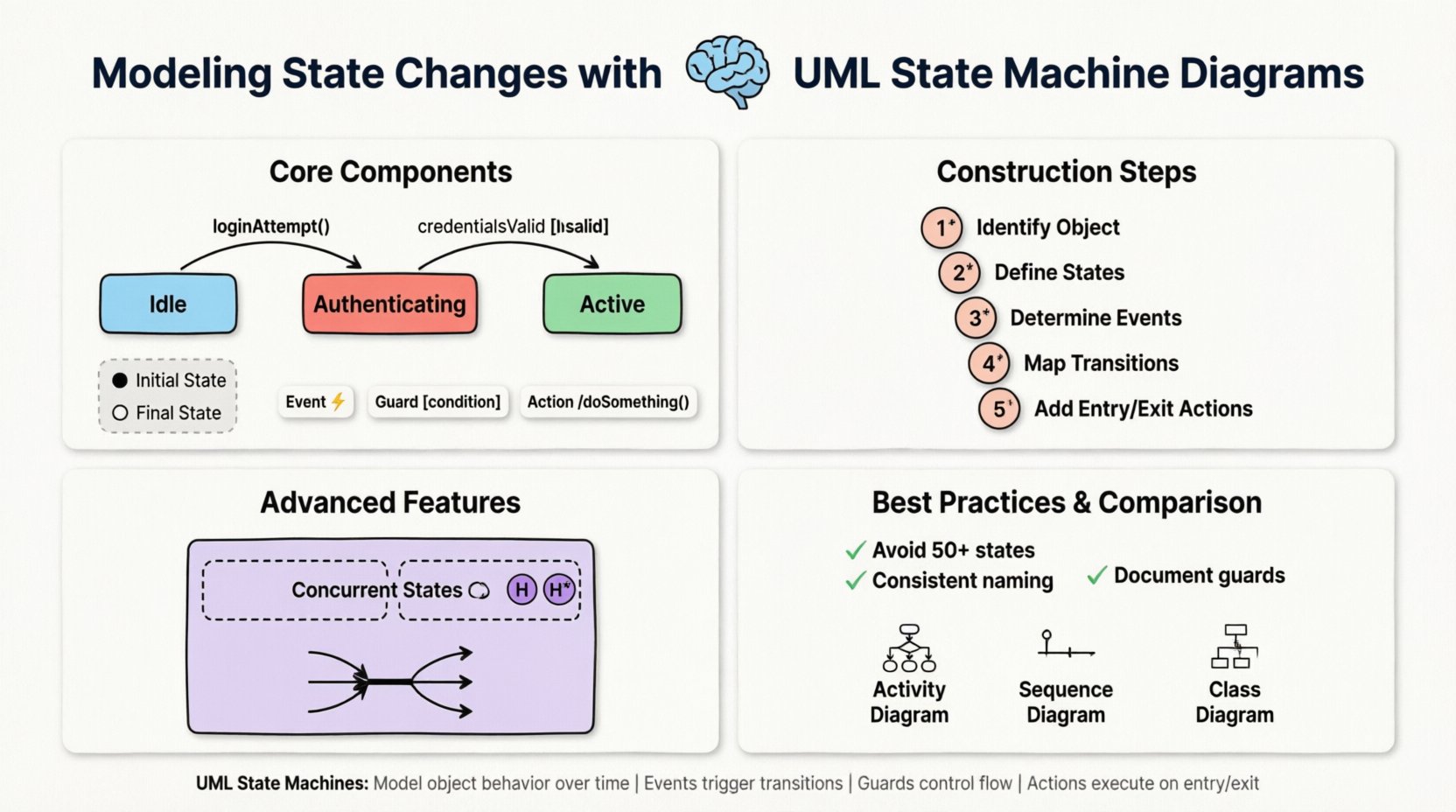
Understanding how software behaves over time is critical for building robust systems. While structure diagrams show what a system consists of, behavioral diagrams explain how it acts. Among these, the UML state machine diagram stands out as a specialized tool …
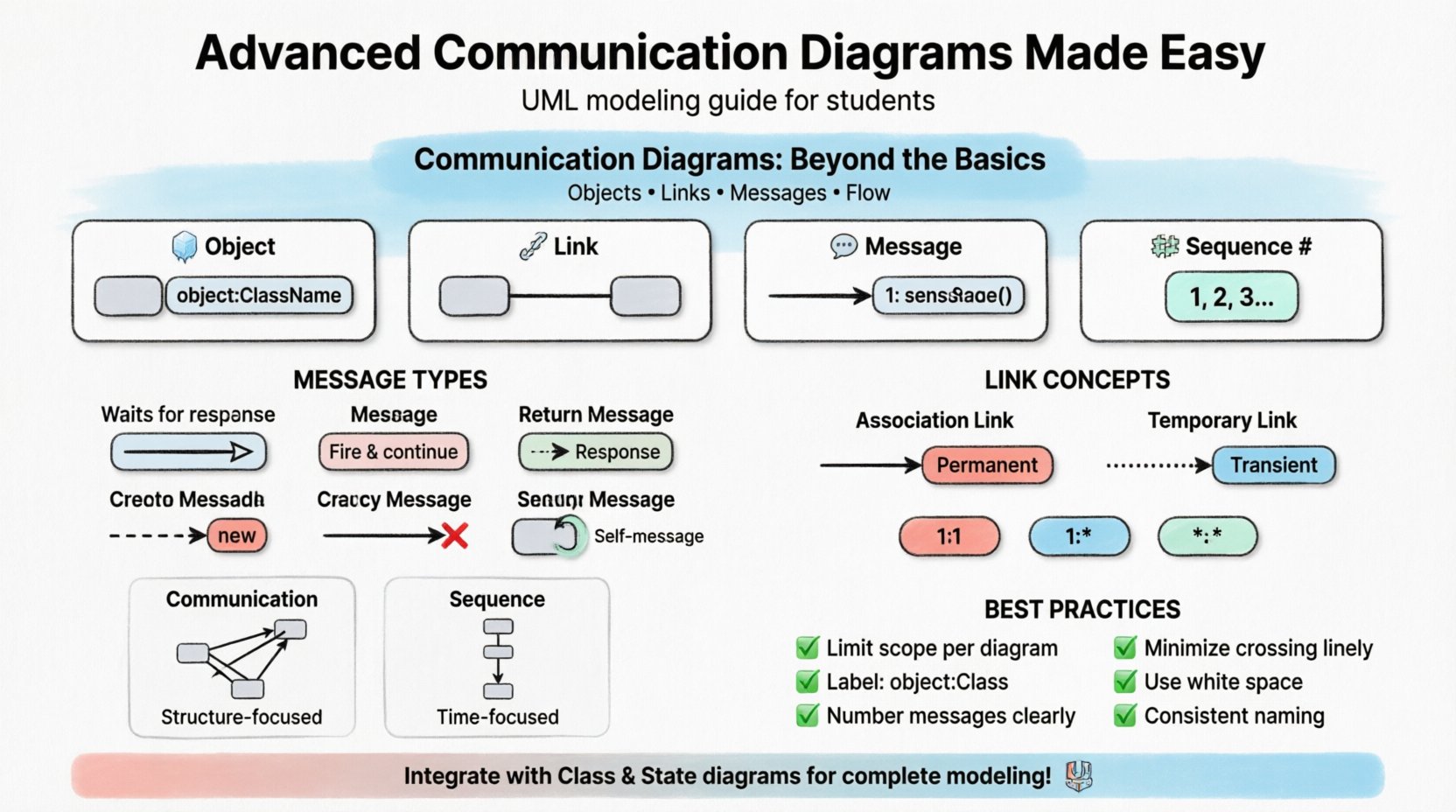
Communication diagrams serve as a critical tool for visualizing the dynamic behavior of a system. While many practitioners stop at drawing simple object connections, true modeling power lies in understanding the nuances of interaction flows. This guide explores the deeper …