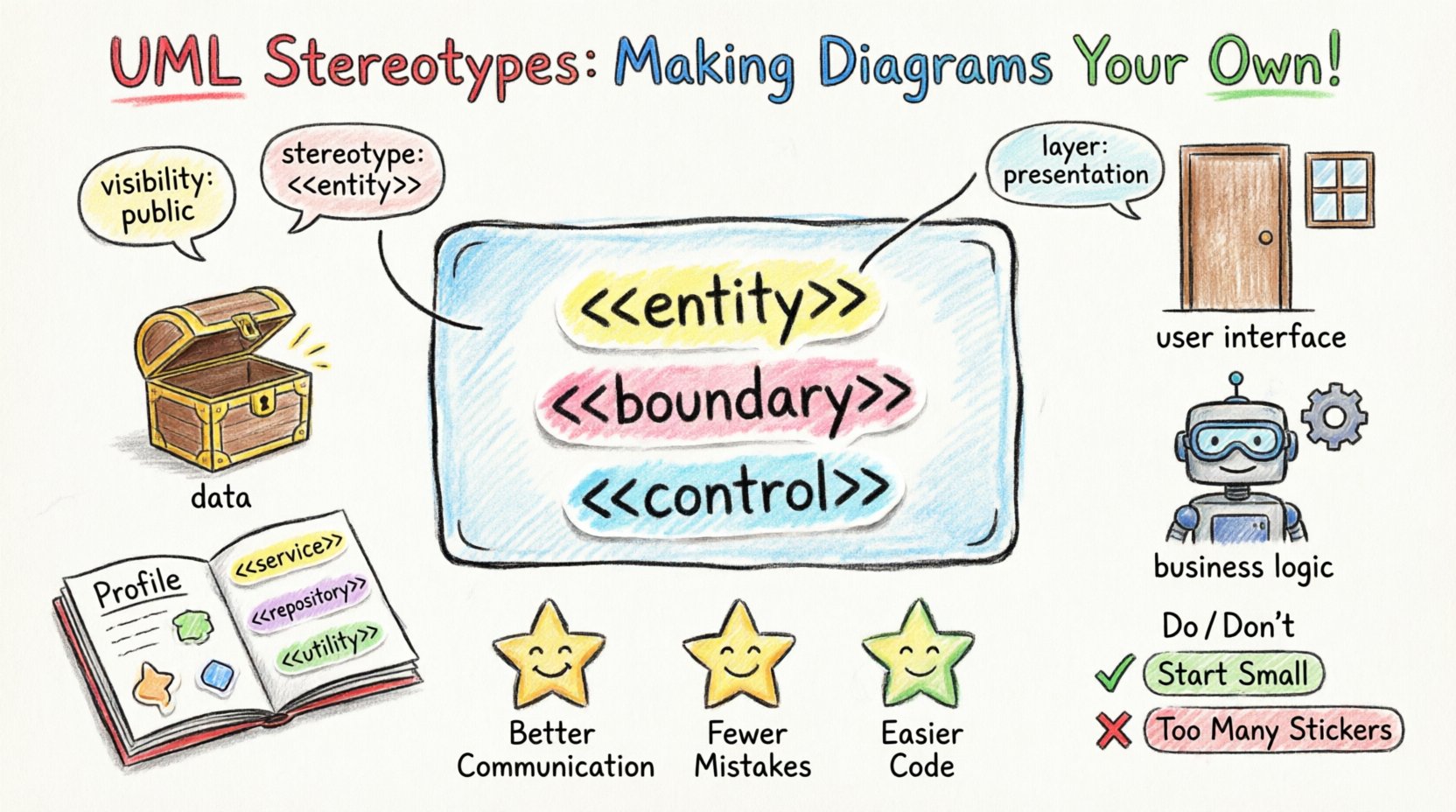
The Unified Modeling Language (UML) serves as a foundational standard for software architecture, providing a visual language for specifying, constructing, and documenting the artifacts of software systems. However, standard UML diagrams often fall short when addressing specific domain requirements. This …
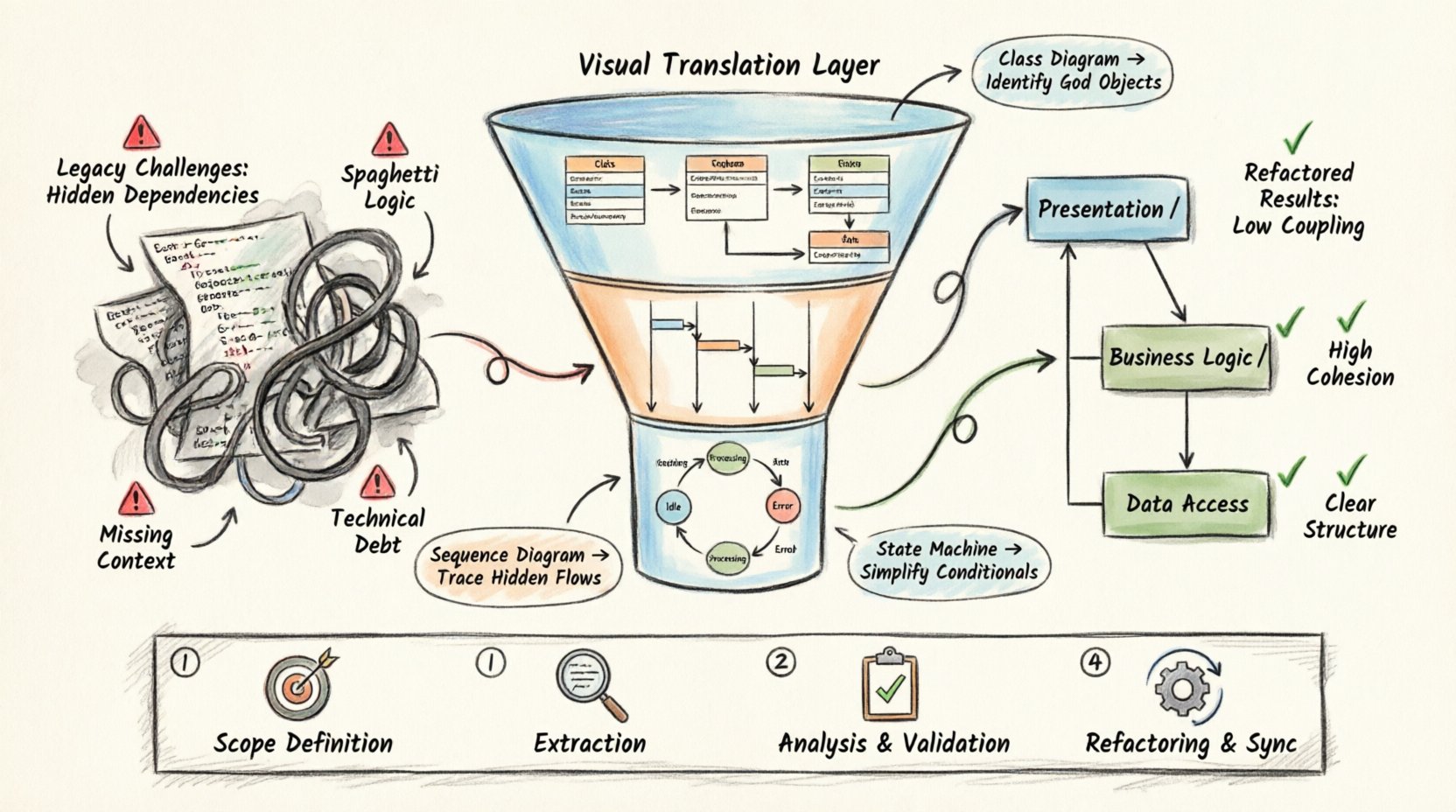
Modern software systems often begin as prototypes and evolve into complex architectures over years. While this longevity is valuable, it frequently introduces technical debt and obscure logic. Developers face the daunting task of modifying code without breaking existing functionality. This …
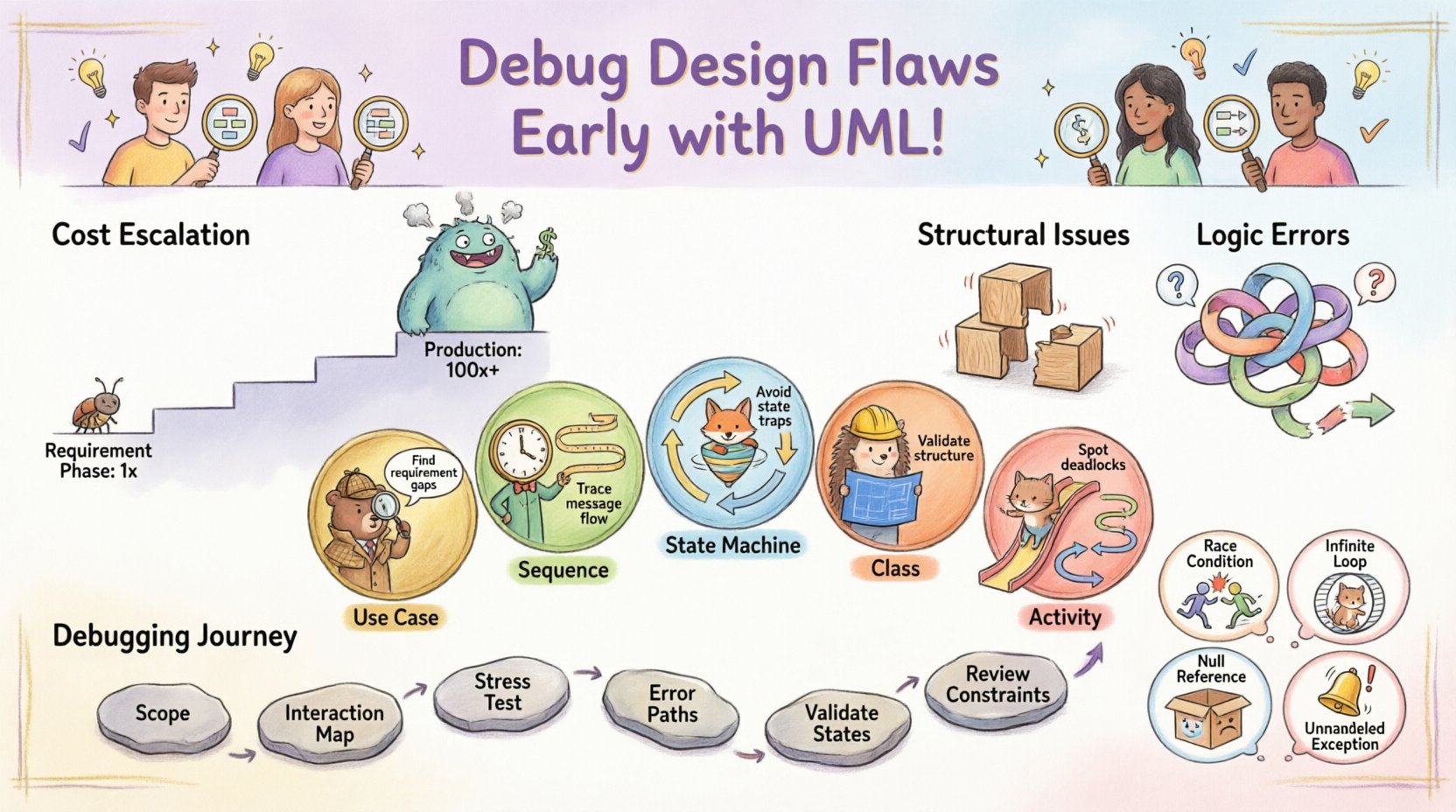
Software development often follows a linear path from requirements to deployment. However, the most critical vulnerabilities frequently exist long before the first line of code is written. These vulnerabilities manifest as design flaws, architectural mismatches, or logic errors that are …
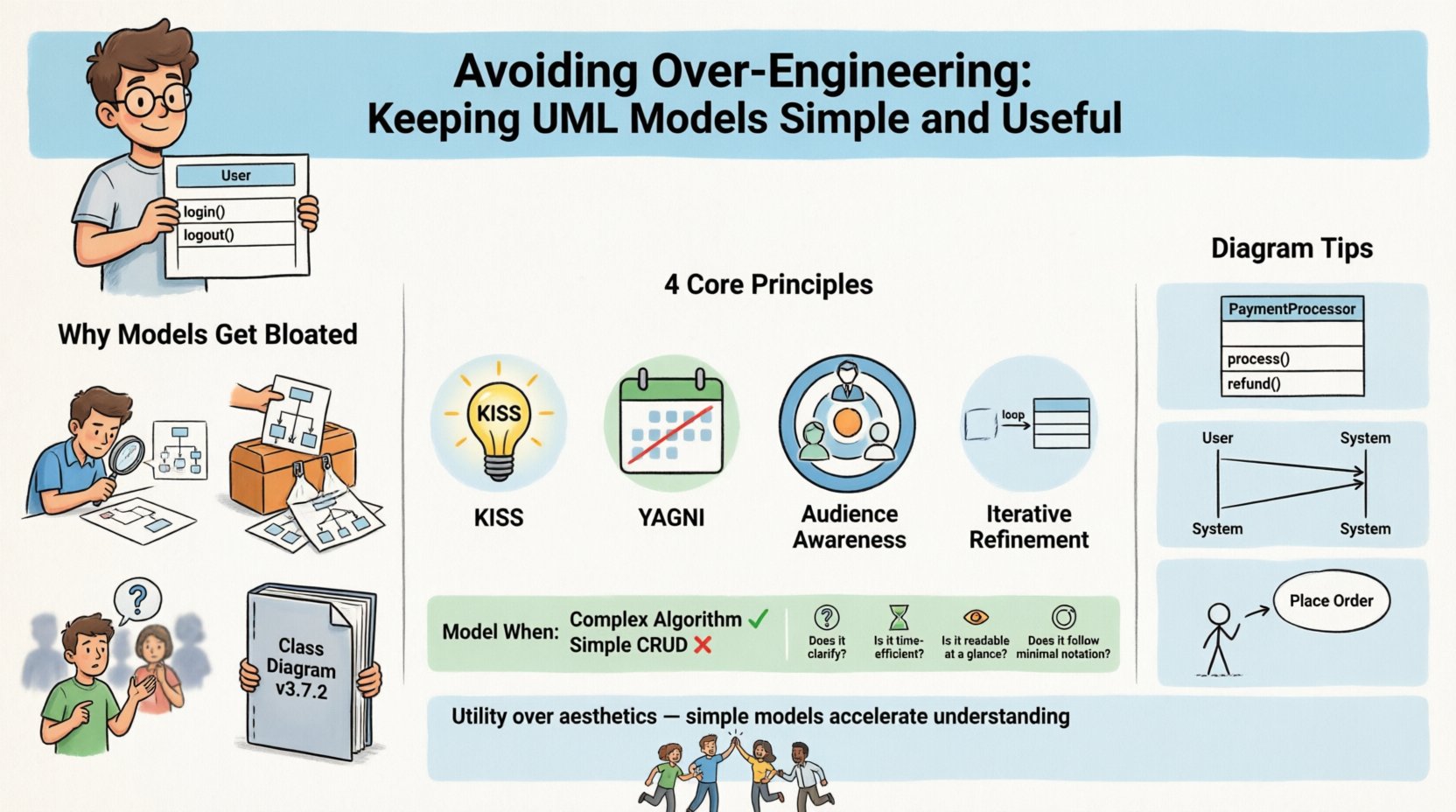
Modeling software architecture is a delicate balance between clarity and complexity. When Unified Modeling Language (UML) diagrams become too detailed, they lose their primary function: communication. Over-engineering a model introduces noise that obscures the signal, leading to confusion rather than …
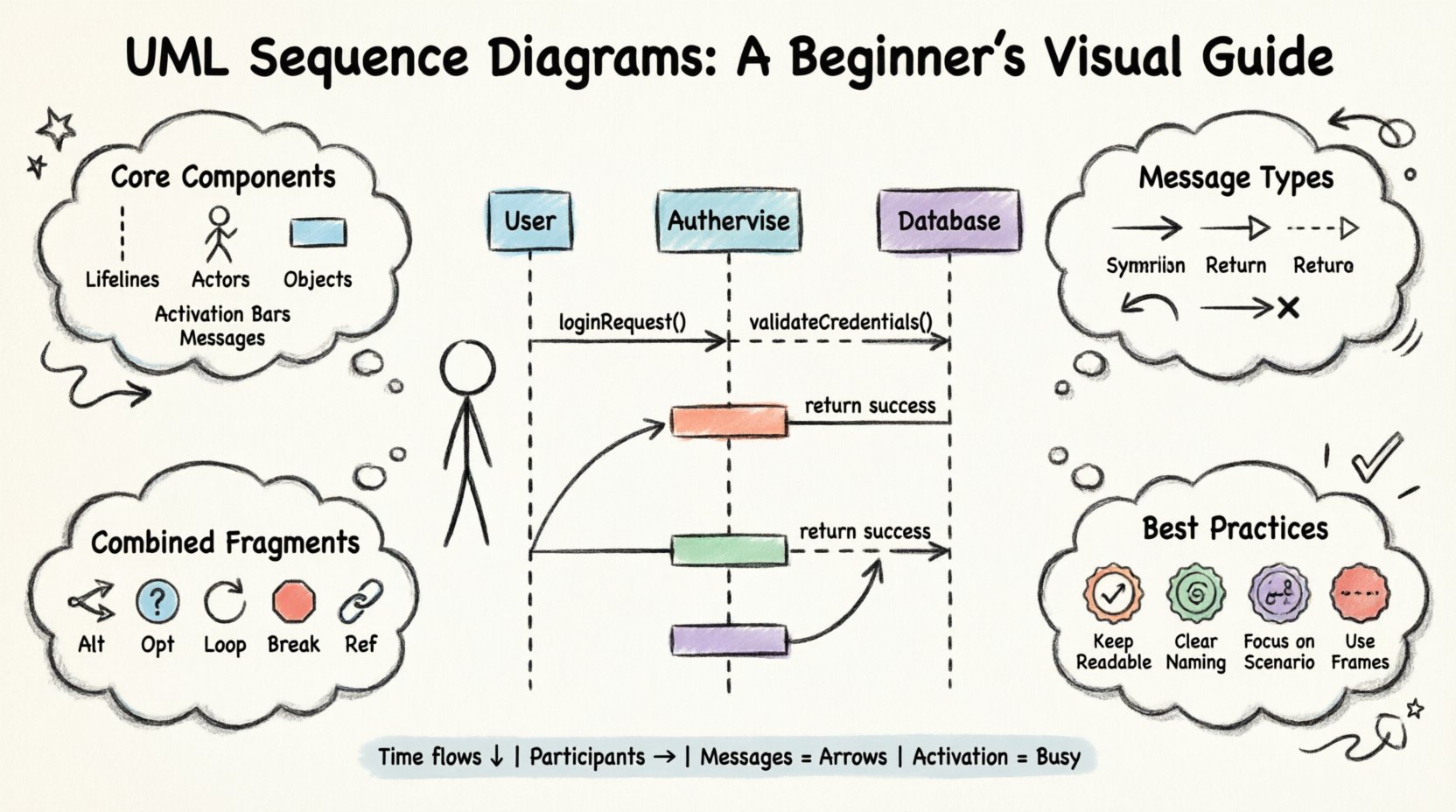
Understanding how different components of a software system interact is fundamental to robust engineering. While code executes logic, design documents communicate intent. Among the many tools available for visualizing system behavior, the Unified Modeling Language (UML) sequence diagram stands out …
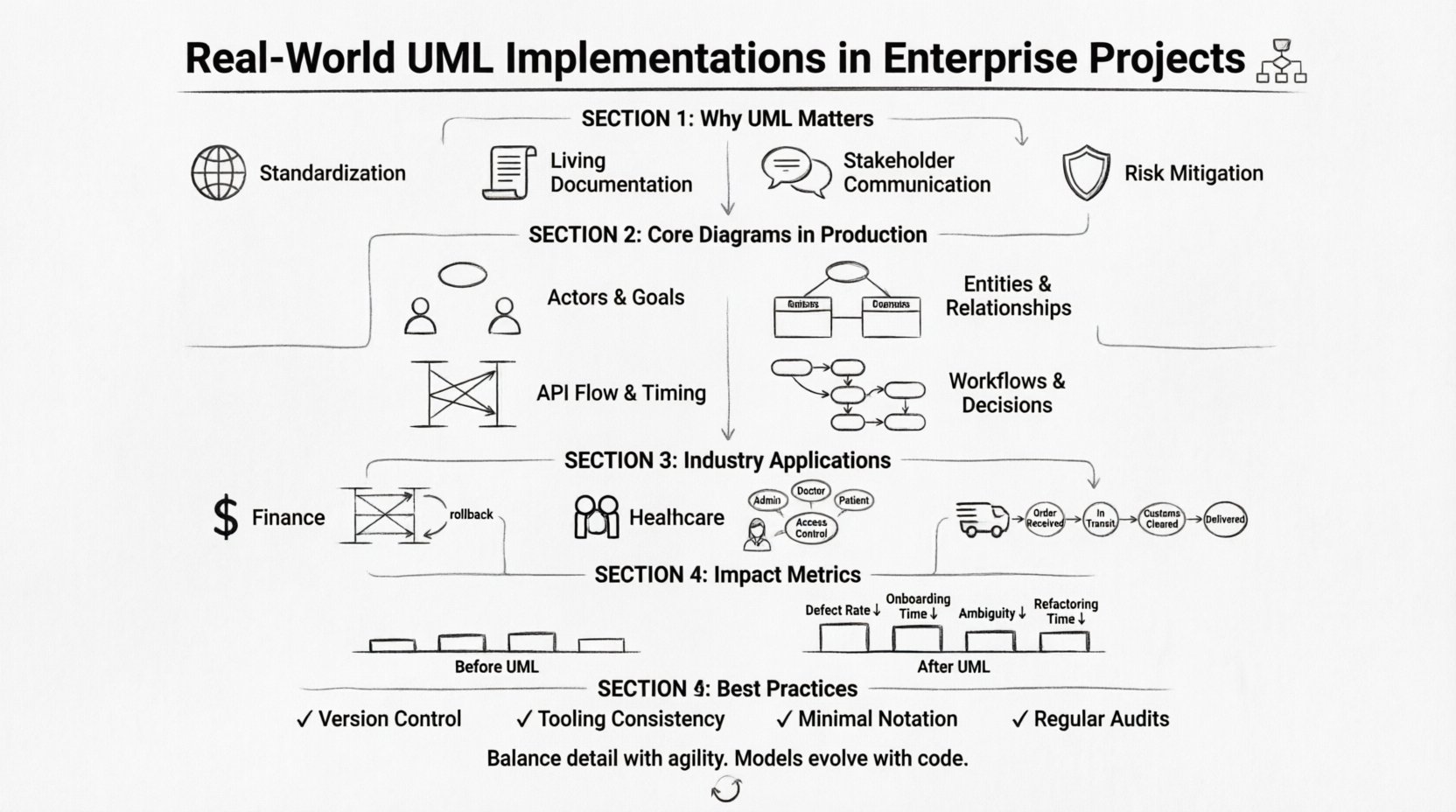
Large-scale software systems require precision. In enterprise environments, where millions of dollars and critical operations hang in the balance, ambiguity is a liability. Unified Modeling Language (UML) offers a standardized way to visualize, specify, construct, and document the artifacts of …
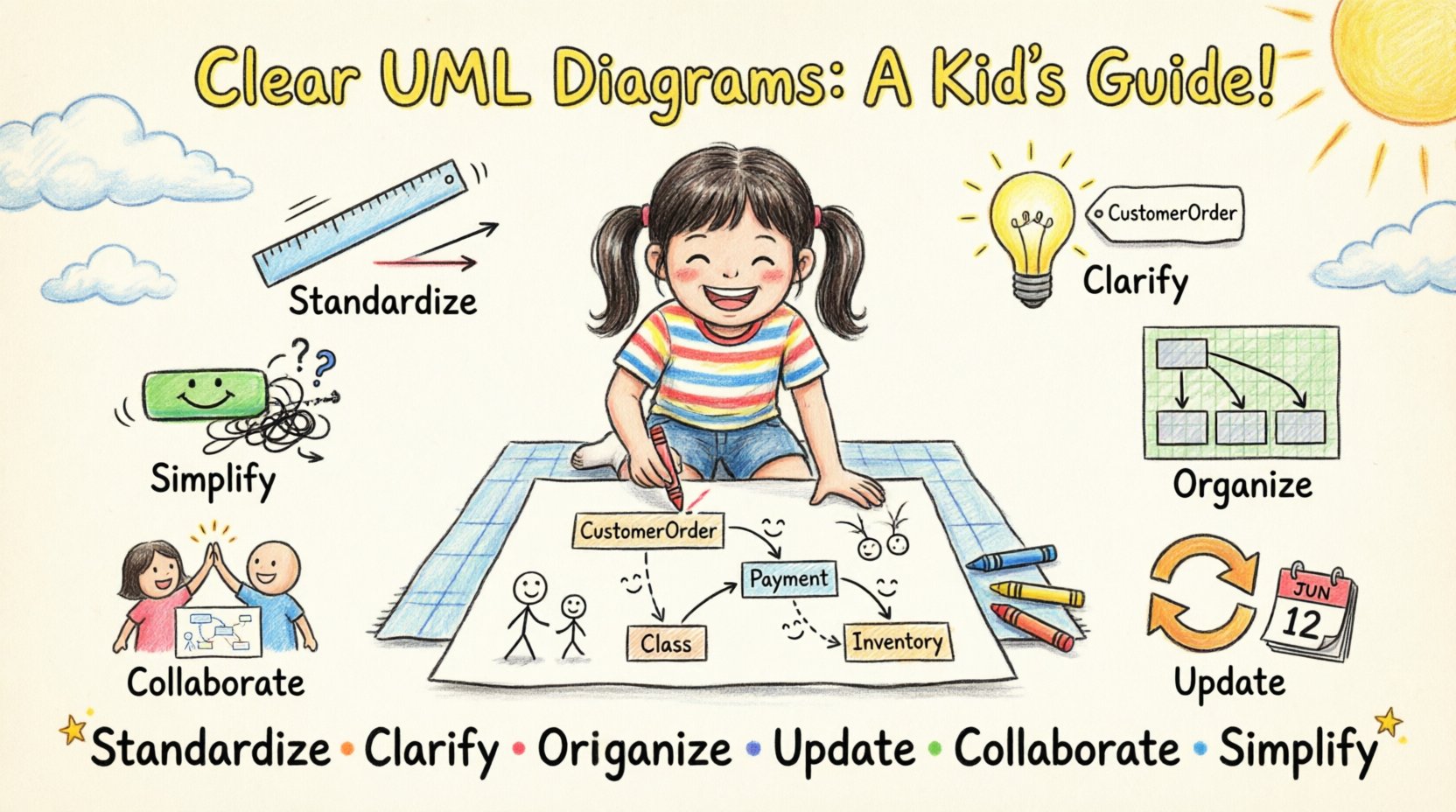
Unified Modeling Language (UML) serves as the backbone for software architecture documentation. It provides a standardized way to visualize system design, ensuring that all stakeholders share a common understanding of the structure and behavior. However, the mere existence of a …
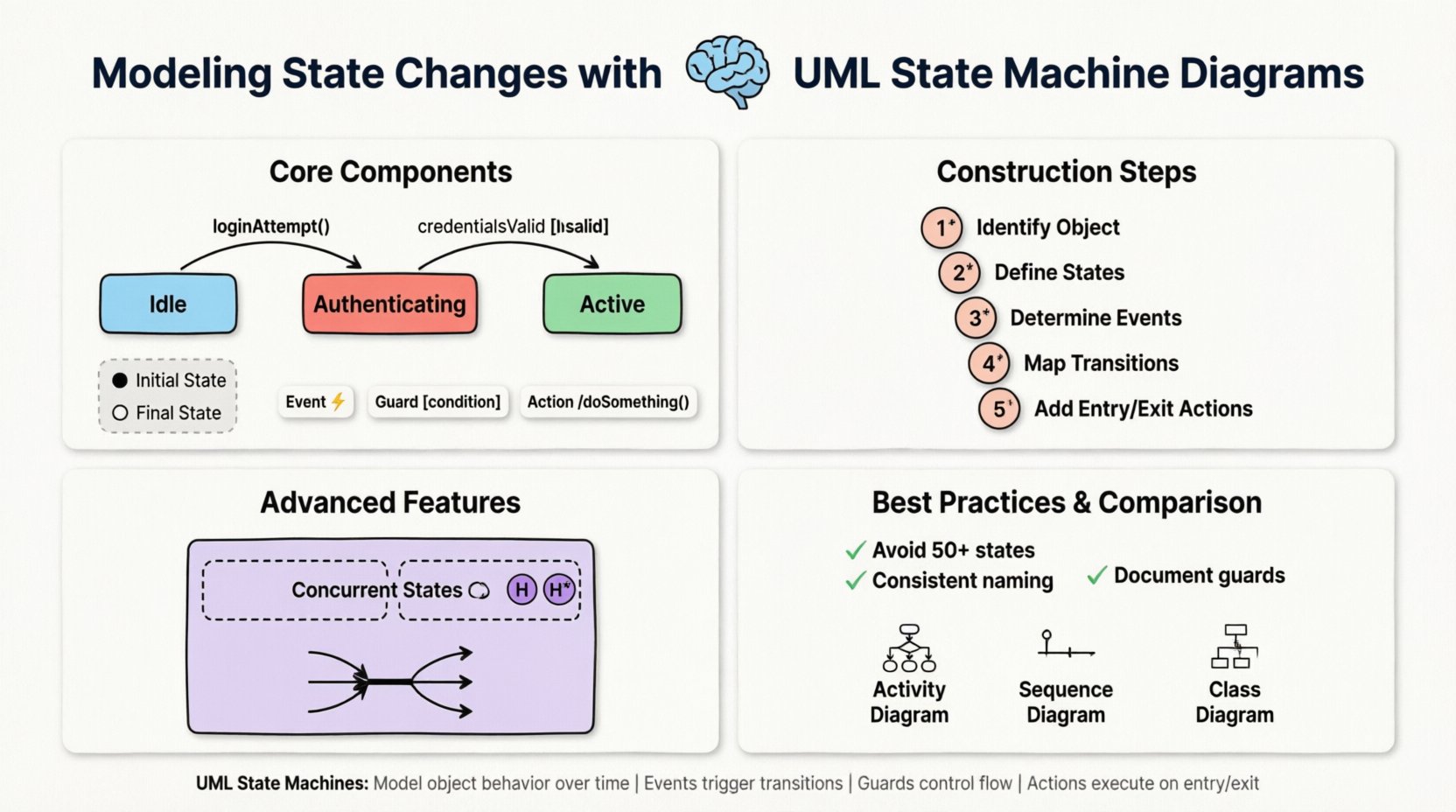
Understanding how software behaves over time is critical for building robust systems. While structure diagrams show what a system consists of, behavioral diagrams explain how it acts. Among these, the UML state machine diagram stands out as a specialized tool …
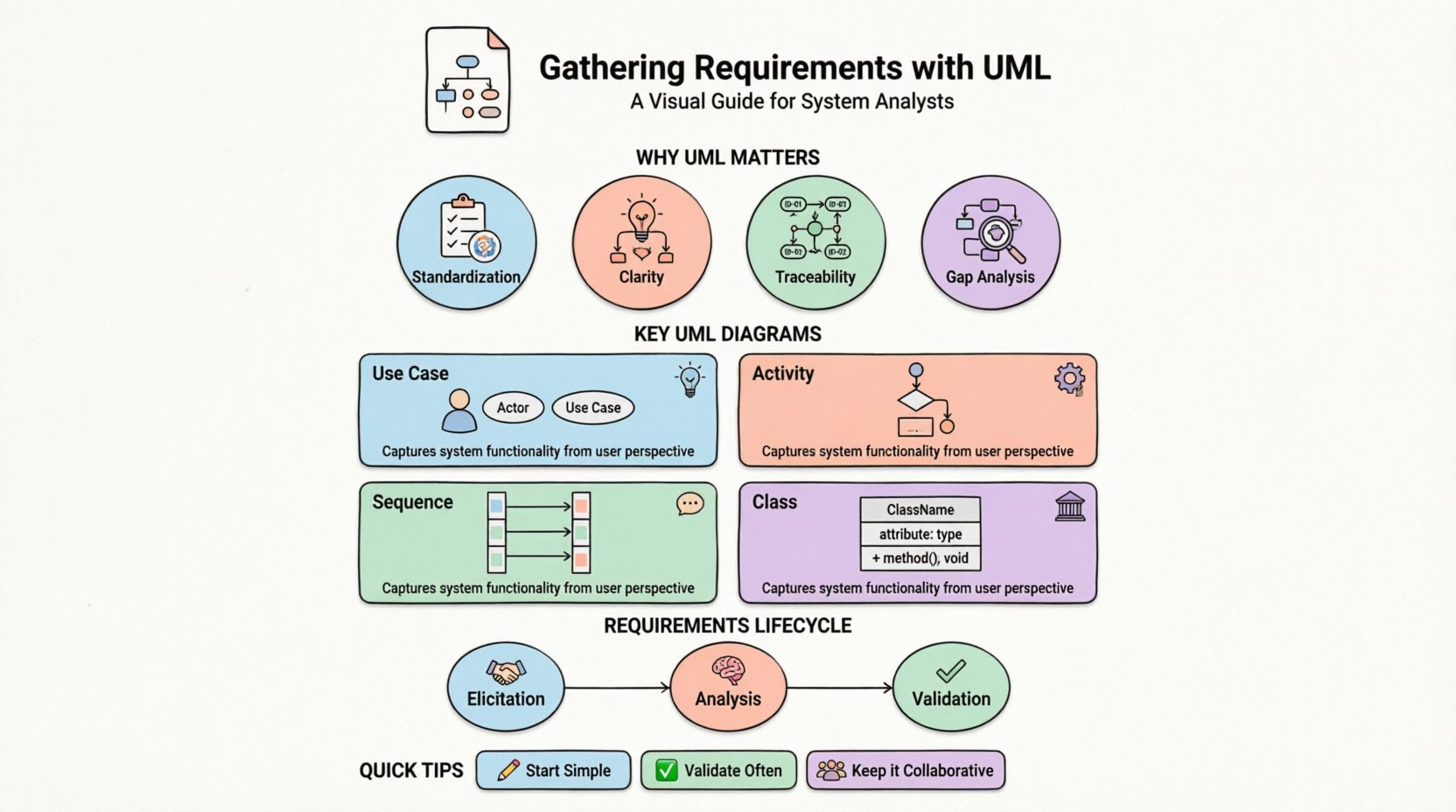
Effective system analysis begins with a clear understanding of what needs to be built. Without precise requirements, projects drift into ambiguity, leading to costly rework and misaligned expectations. Unified Modeling Language (UML) offers a standardized visual language to bridge the …
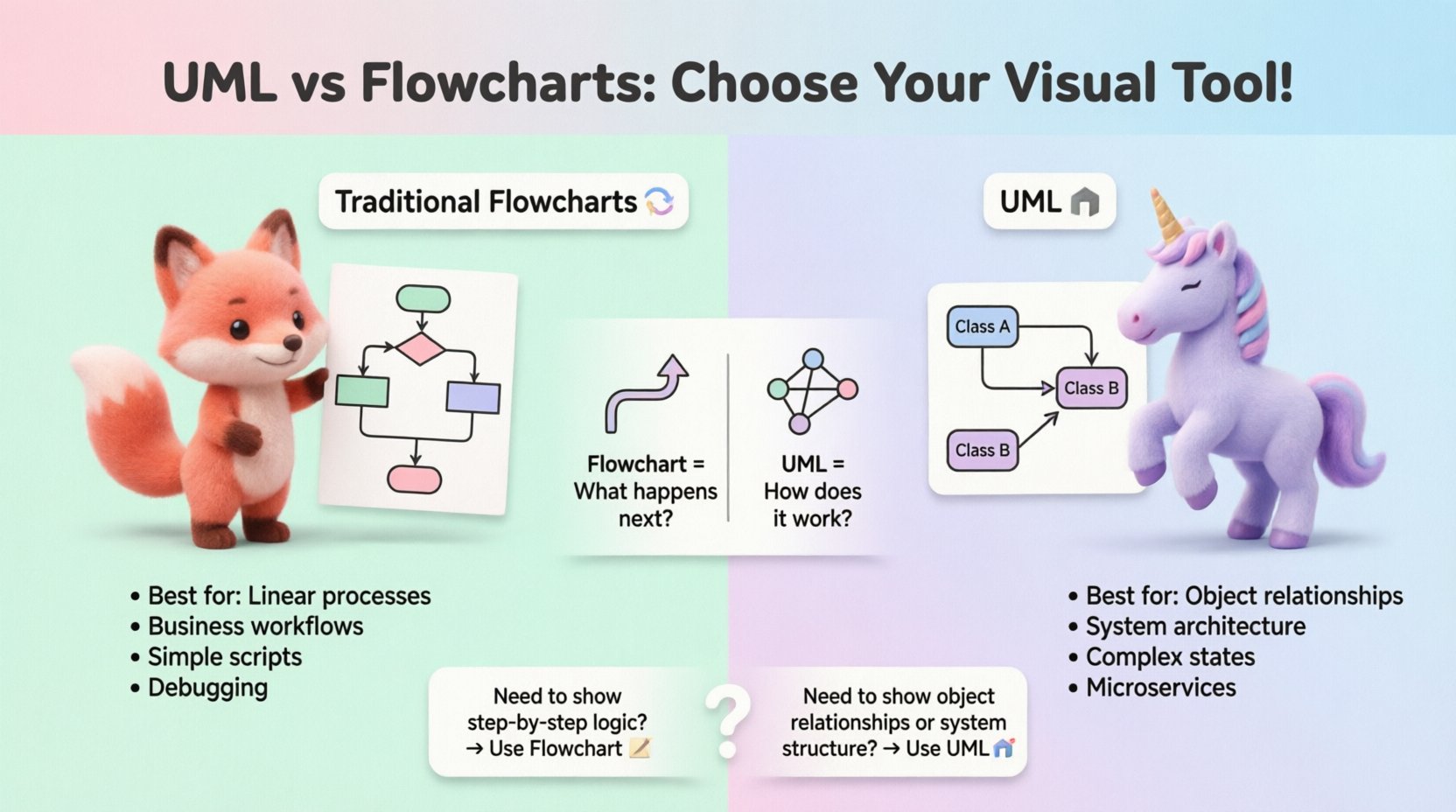
Designing complex systems requires clear communication. Developers, stakeholders, and architects must share a common understanding of how a system works before writing a single line of code. Two dominant visual languages exist for this purpose: Unified Modeling Language (UML) and …