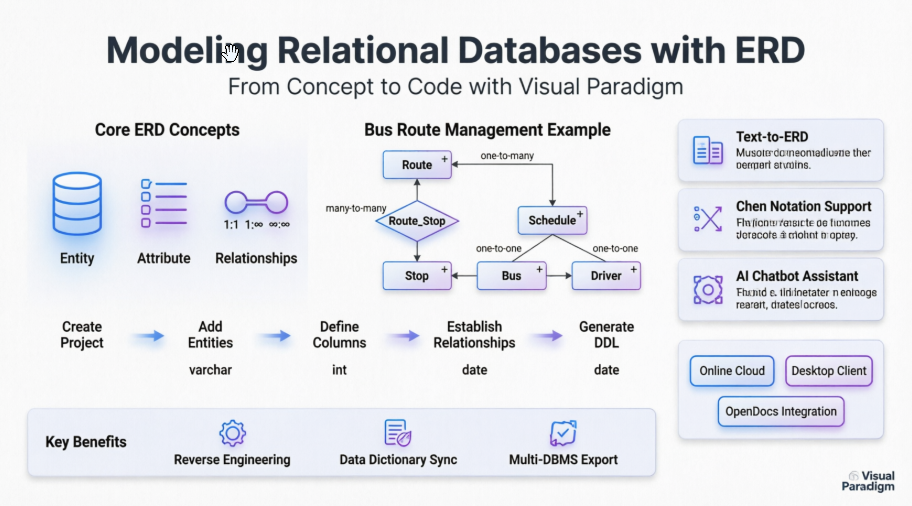
As someone who has spent years navigating the complexities of database design—from academic projects to enterprise-level systems—I’ve tried countless tools for modeling relational databases. Recently, I decided to revisit Entity-Relationship Diagrams (ERDs) using Visual Paradigm, particularly after hearing about …
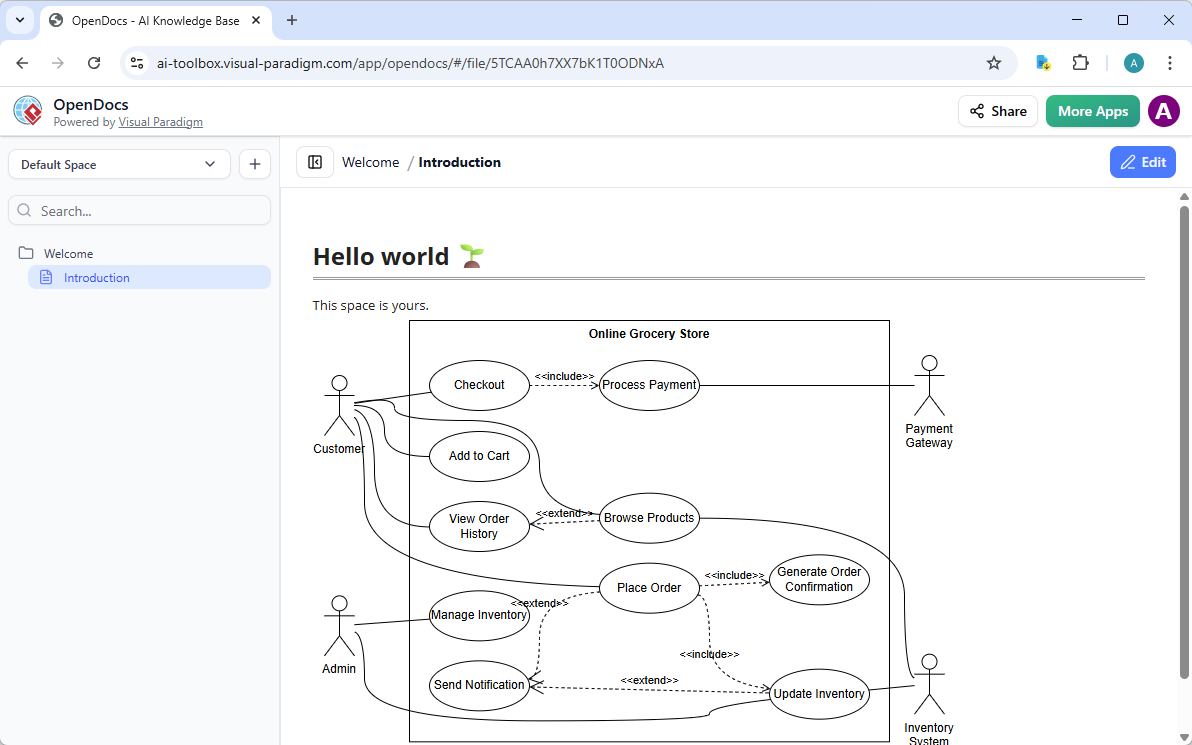
Use case diagrams are a cornerstone of modern software design, offering a clear, visual representation of how users interact with a system to achieve specific goals. These diagrams help define functional requirements and scope from an end-user perspective, making them
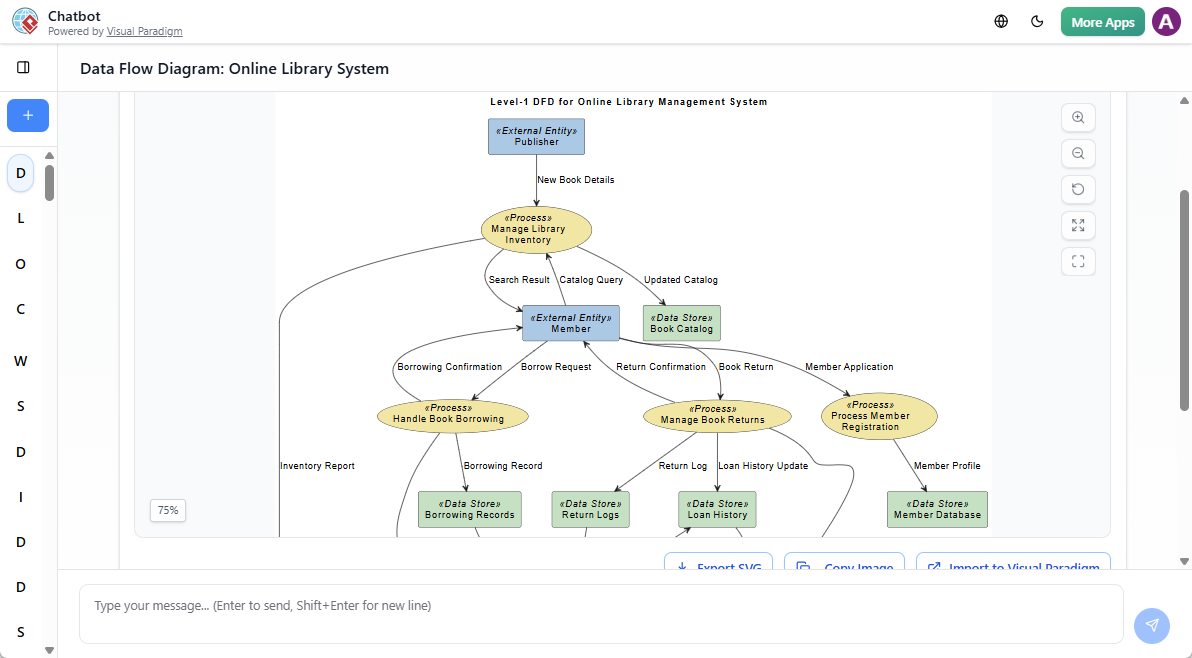
Data Flow Diagrams (DFDs) are essential tools in systems analysis and software engineering for modeling how data moves through a system. Unlike flowcharts, which focus on control logic and sequences, DFDs emphasize the flow and transformation of information. The rise …
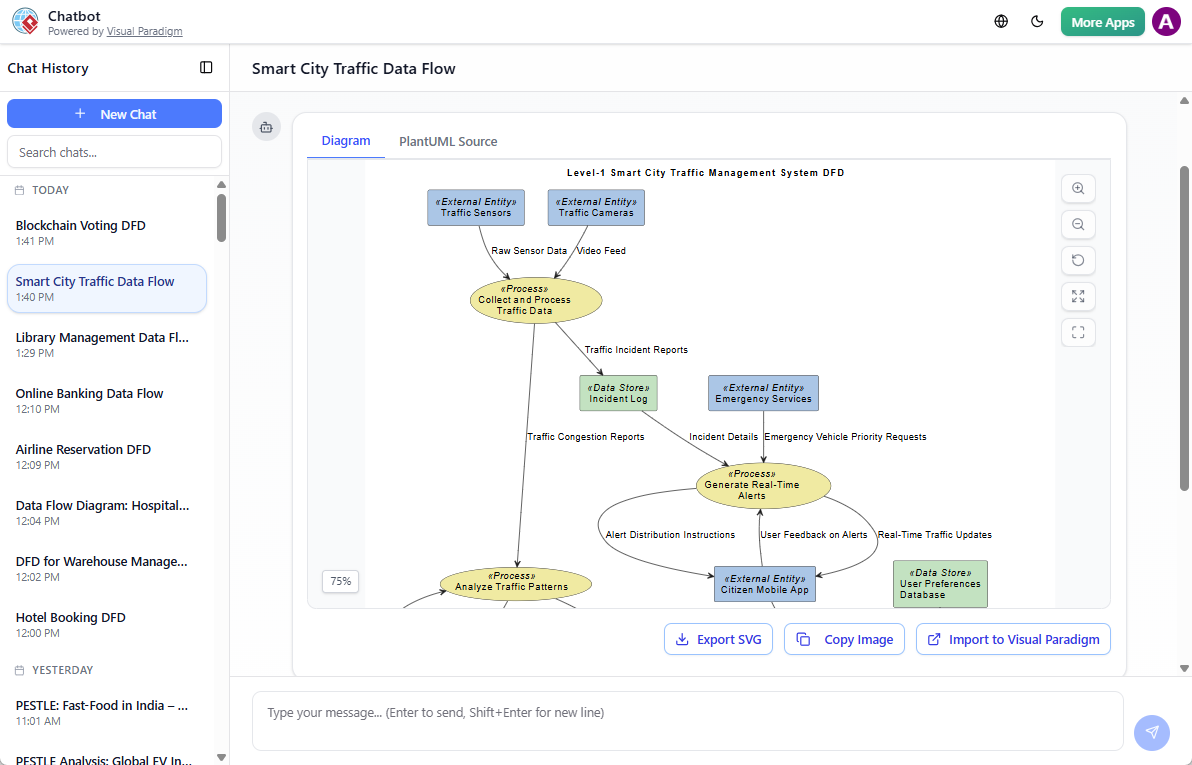
The ultimate AI DFD generator just got better. Visual Paradigm recently added full Data Flow Diagram support to its AI Chatbot – now anyone can create professional DFD diagrams, Data Flow Models, and Data Flow Charts in seconds by simply …
In software architecture and systems modeling, two foundational diagrams are widely used to visualize high-level system boundaries and interactions: the C4 System Context Diagram and the DFD (Data Flow Diagram) Context Diagram. While both depict …
…“A picture is worth a thousand words” — but when it comes to software architecture, a well-structured diagram can be worth thousands of lines of code and hours of confusion. The C4 Model, created by software architect Simon Brown
The complexity of modern software architecture necessitates tools that can rapidly translate conceptual requirements into technical visualizations. AI Diagram Generation within Visual Paradigm Desktop serves as a sophisticated bridge between natural language descriptions and professional modeling standards. By leveraging advanced …
You already know modeling Sequence Diagrams takes time – blank-page syndrome, iterations, alignment delays across teams. But what if you could generate a solid, accurate diagram in under a minute, then refine it like a pro? In this real-world case, …
FinSecure Bank, a mid-sized digital bank catering to young professionals, was grappling with a critical issue: their customer onboarding process was overly complex and time-consuming, causing nearly 40% of potential clients to abandon account openings midway. Manual documentation of user …