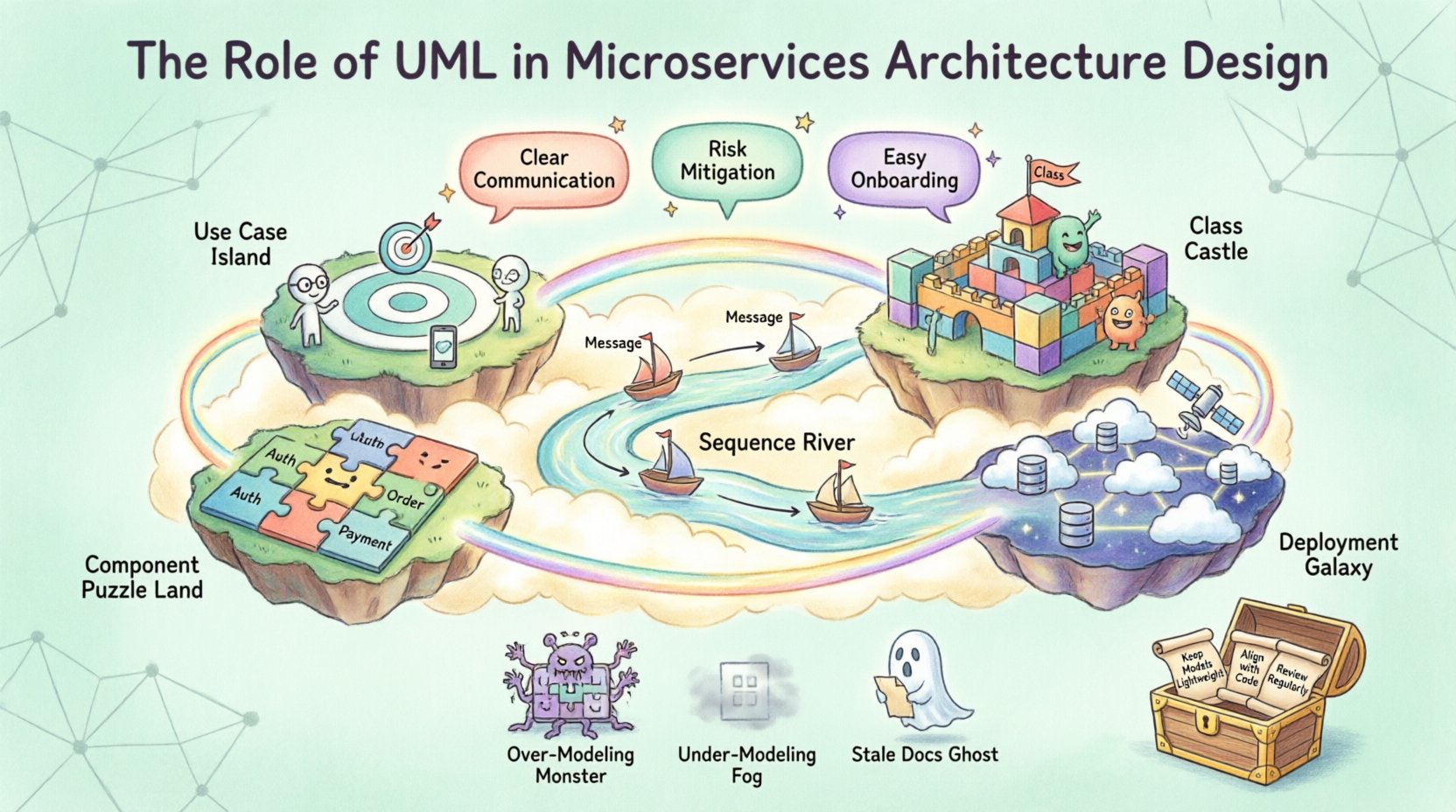
Designing a distributed system requires precision, foresight, and clear communication. As software complexity grows, the need for standardized modeling becomes critical. Unified Modeling Language, or UML, serves as a blueprint for these intricate structures. It provides a common visual language …
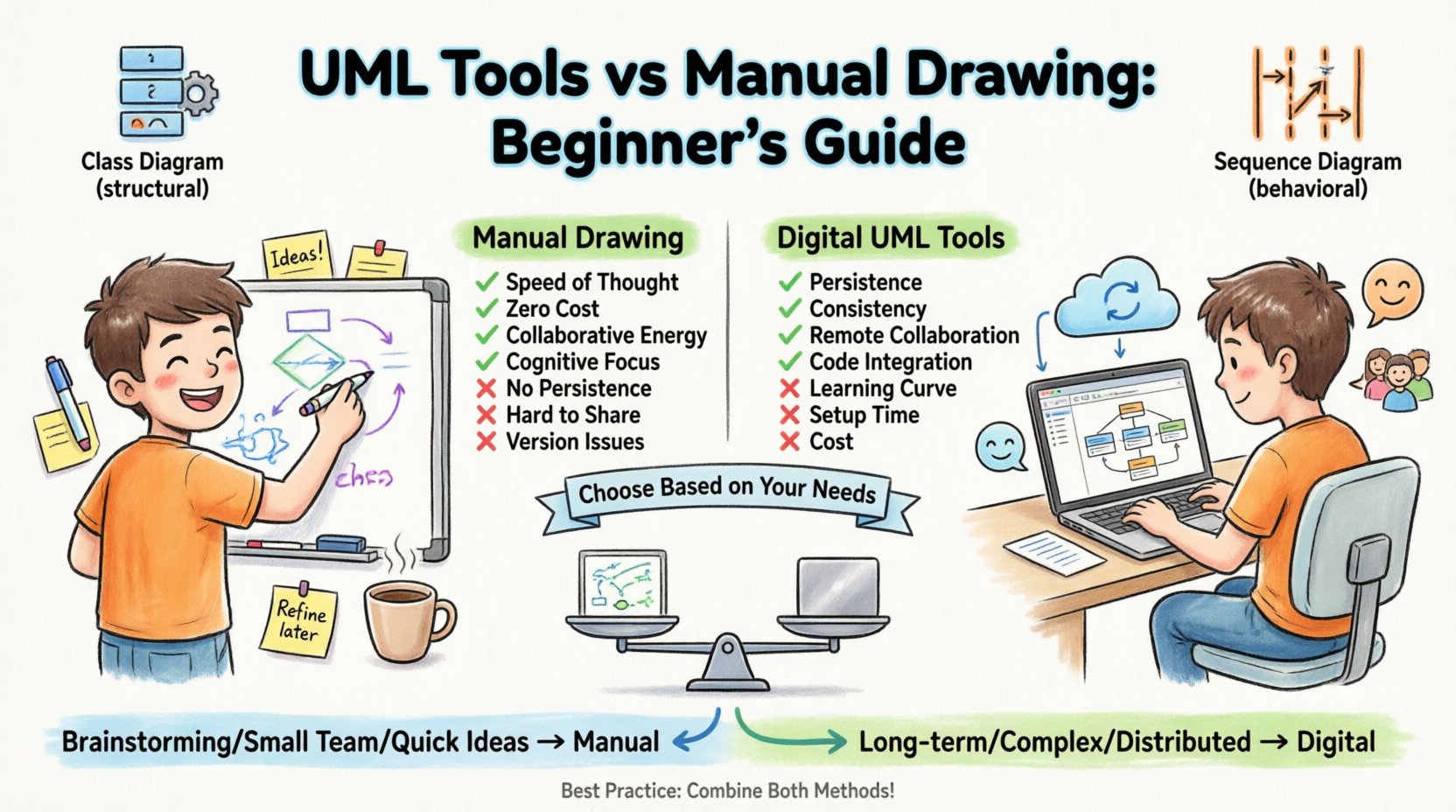
Unified Modeling Language, commonly known as UML, serves as a standardized notation for specifying, visualizing, constructing, and documenting the artifacts of software systems. For those entering the field of software engineering or system design, the decision to model ideas manually …
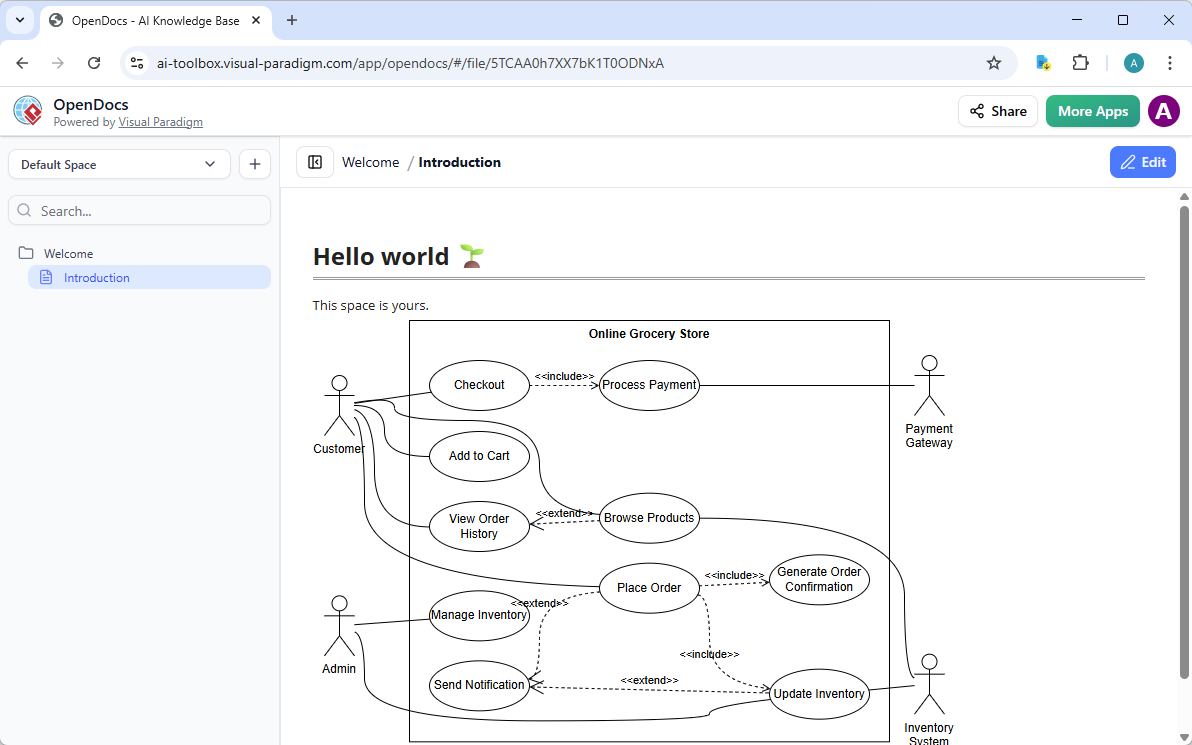
Use case diagrams are a cornerstone of modern software design, offering a clear, visual representation of how users interact with a system to achieve specific goals. These diagrams help define functional requirements and scope from an end-user perspective, making them
…„A picture is worth a thousand words“ — but when it comes to software architecture, a well-structured diagram can be worth thousands of lines of code and hours of confusion. The C4 Model, created by software architect Simon Brown
Healthcare systems are among the most complex in existence—integrating patient care workflows, electronic health records (EHR), regulatory compliance (HIPAA, GDPR), secure data flows, and multi-stakeholder interactions (doctors, nurses, patients, admins, labs). Modeling these accurately is essential for system design, process …
In agile software development, teams live and die by iteration speed. User stories need rapid clarification, architectural decisions must emerge quickly in planning, and documentation can’t become a bottleneck. Manual UML diagramming—dragging elements, fixing layouts, version conflicts—often slows sprints and …
The UML Sequence Diagram is a crucial tool in Unified Modeling Language (UML) that illustrates the objects involved in a particular scenario and the sequence of messages exchanged between these objects to carry out specific functionalities. It emphasizes the …
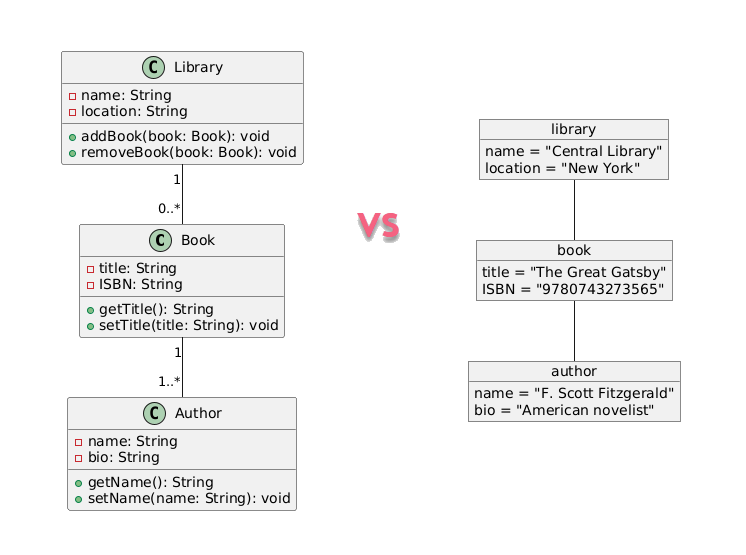
Unified Modeling Language (UML) is a standardized modeling language used to visualize, specify, construct, and document the artifacts of a software system. Among the various types of UML diagrams, Class Diagrams and Object Diagrams are two of the most commonly …
Class diagrams are a fundamental part of the Unified Modeling Language (UML) and are widely used in software development to represent the structure of a system. They provide a visual representation of classes, their attributes, methods, and the relationships …