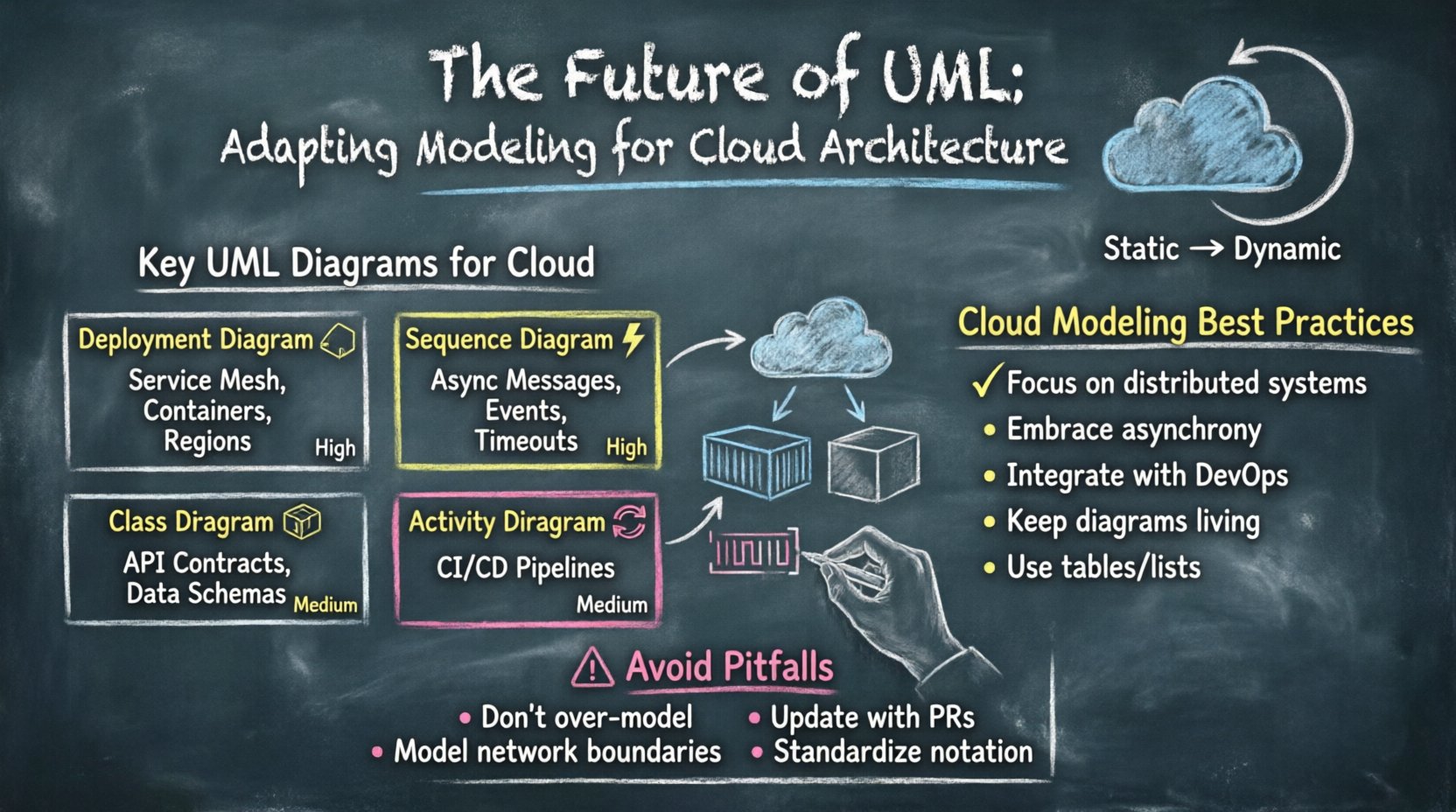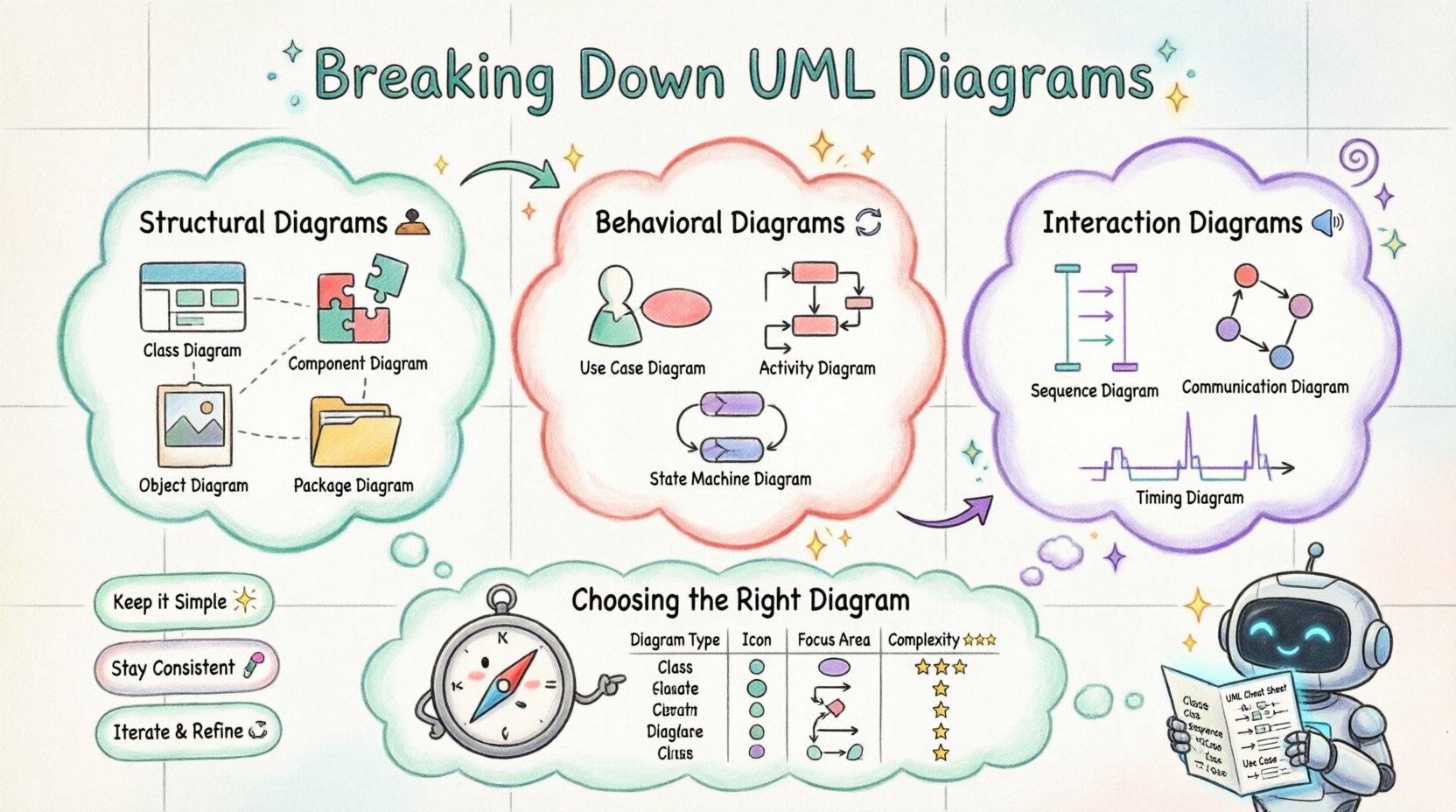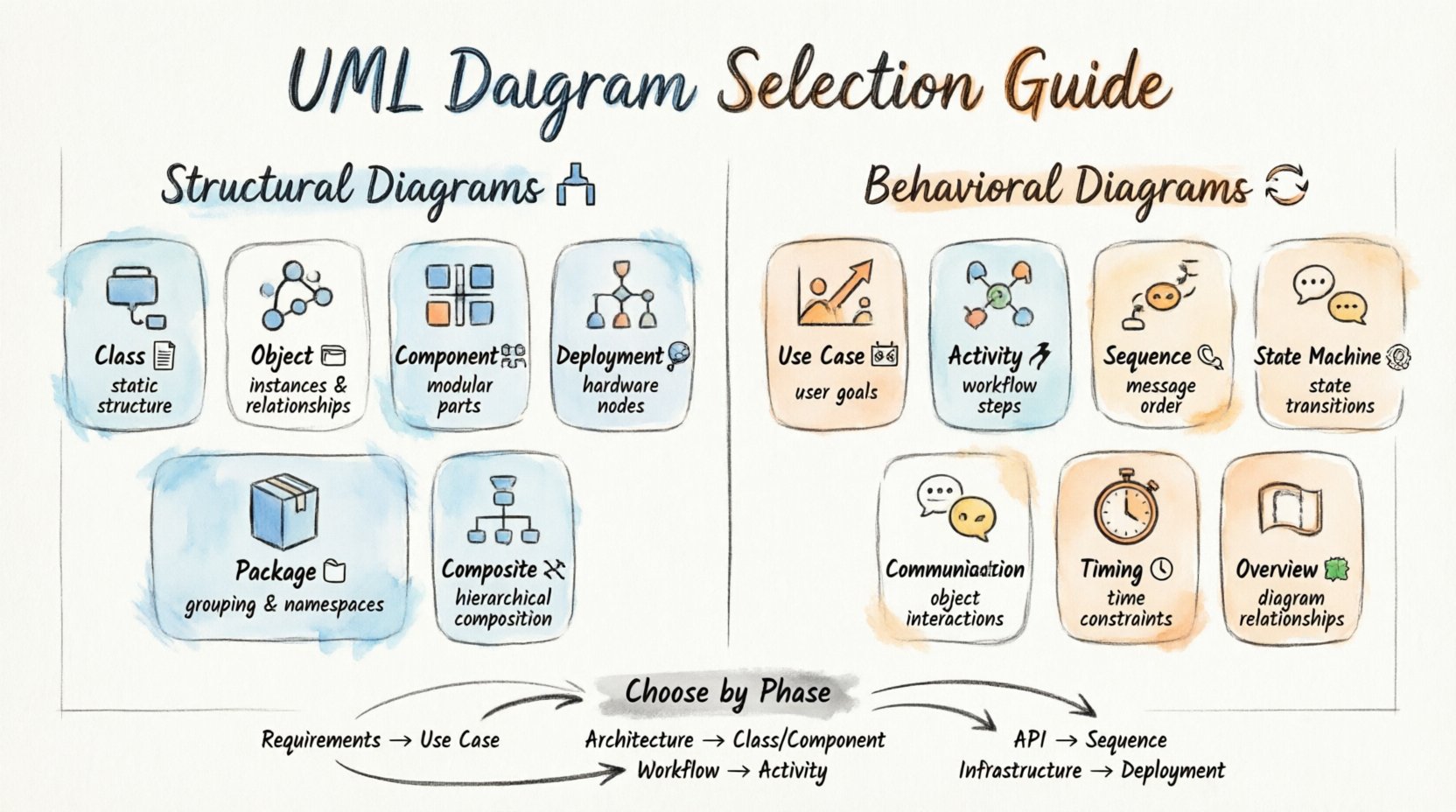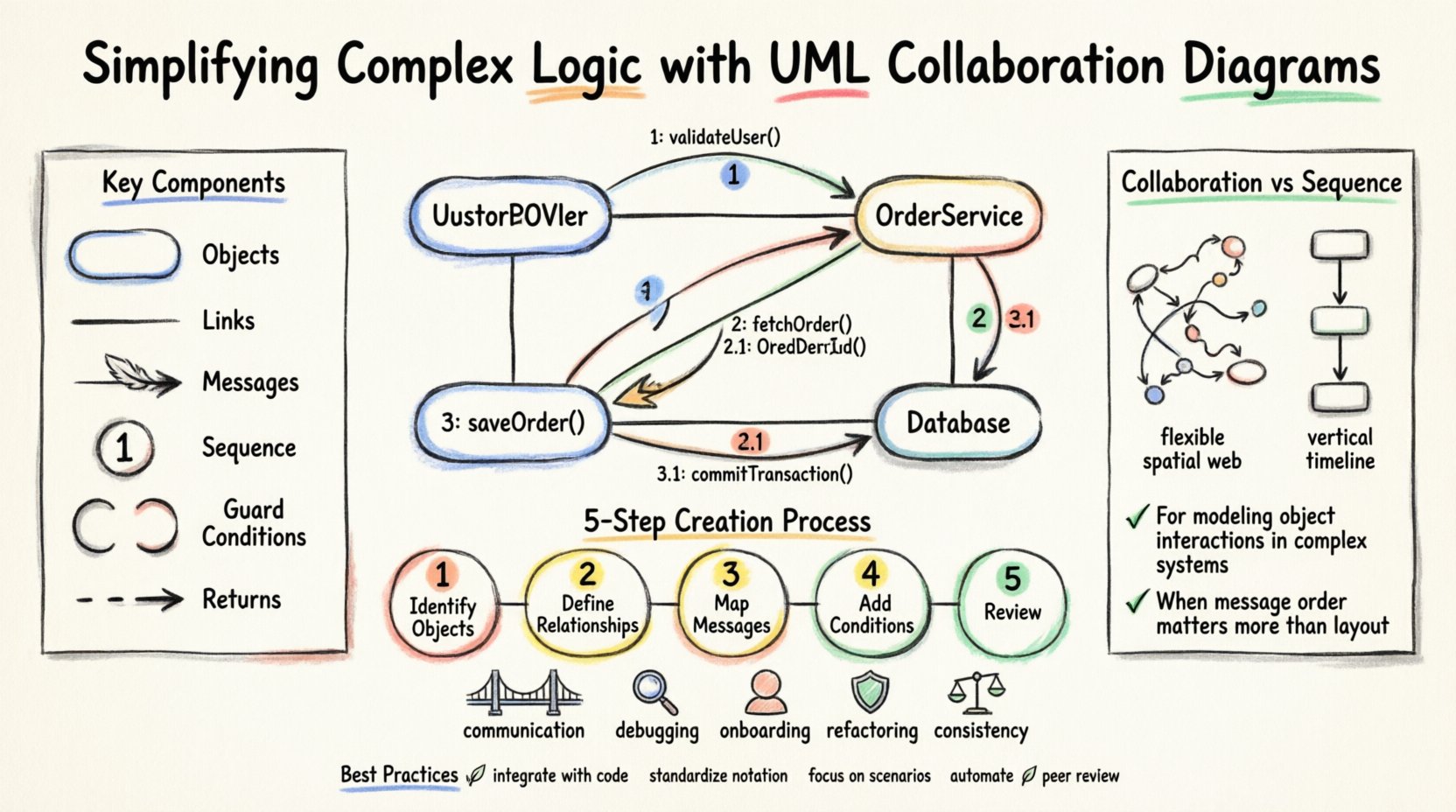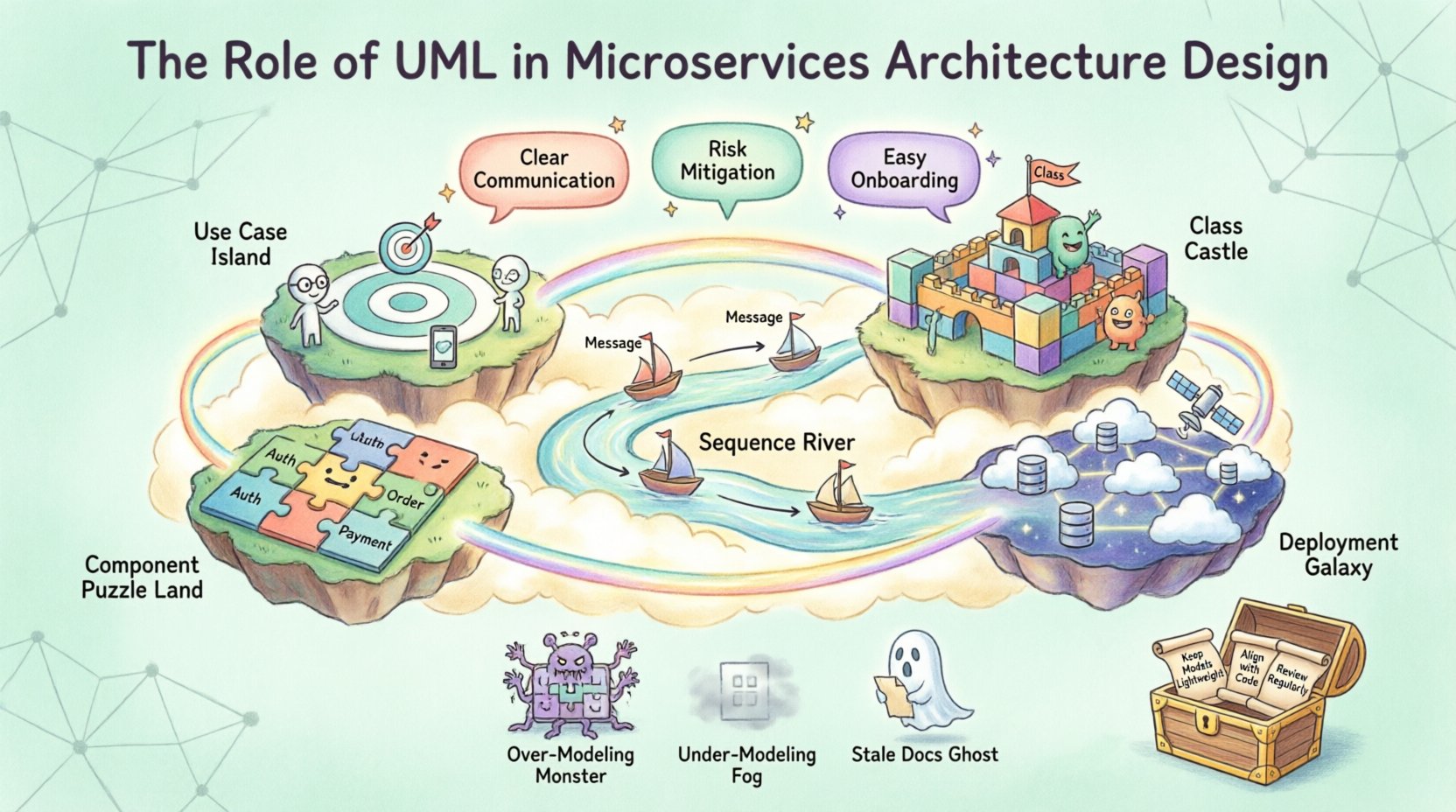
The landscape of software engineering has shifted dramatically. Where monolithic applications once reigned supreme, distributed systems now define the standard. This transition demands a re-evaluation of the tools we use to plan and visualize these complex structures. Unified Modeling Language …
Unified Modeling Language (UML) serves as the backbone for visualizing, specifying, constructing, and documenting the artifacts of software systems. For a system analyst, proficiency in UML is not merely an aesthetic preference; it is a critical communication tool. It bridges …
Unified Modeling Language (UML) serves as the universal blueprint for software architecture. It provides a standardized way to visualize, specify, construct, and document the artifacts of a system. However, the suite of diagram types available can be overwhelming. Selecting the …
In modern software development, complexity is the only constant. As systems grow in size and functionality, the interactions between components become increasingly intricate. Teams often struggle to visualize these relationships, leading to miscommunication, architectural drift, and inefficient debugging processes. This …
Designing a distributed system requires precision, foresight, and clear communication. As software complexity grows, the need for standardized modeling becomes critical. Unified Modeling Language, or UML, serves as a blueprint for these intricate structures. It provides a common visual language …
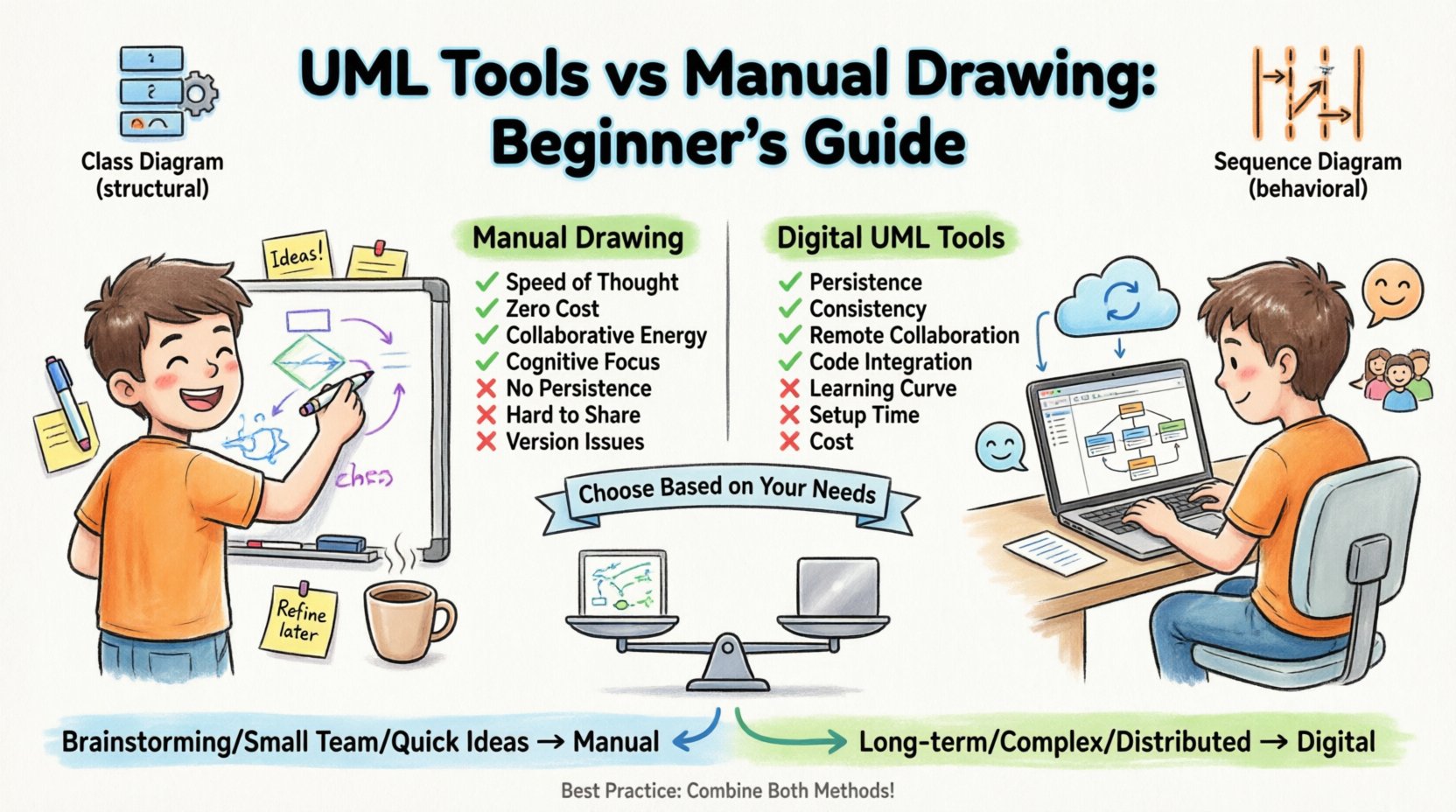
Unified Modeling Language, commonly known as UML, serves as a standardized notation for specifying, visualizing, constructing, and documenting the artifacts of software systems. For those entering the field of software engineering or system design, the decision to model ideas manually …
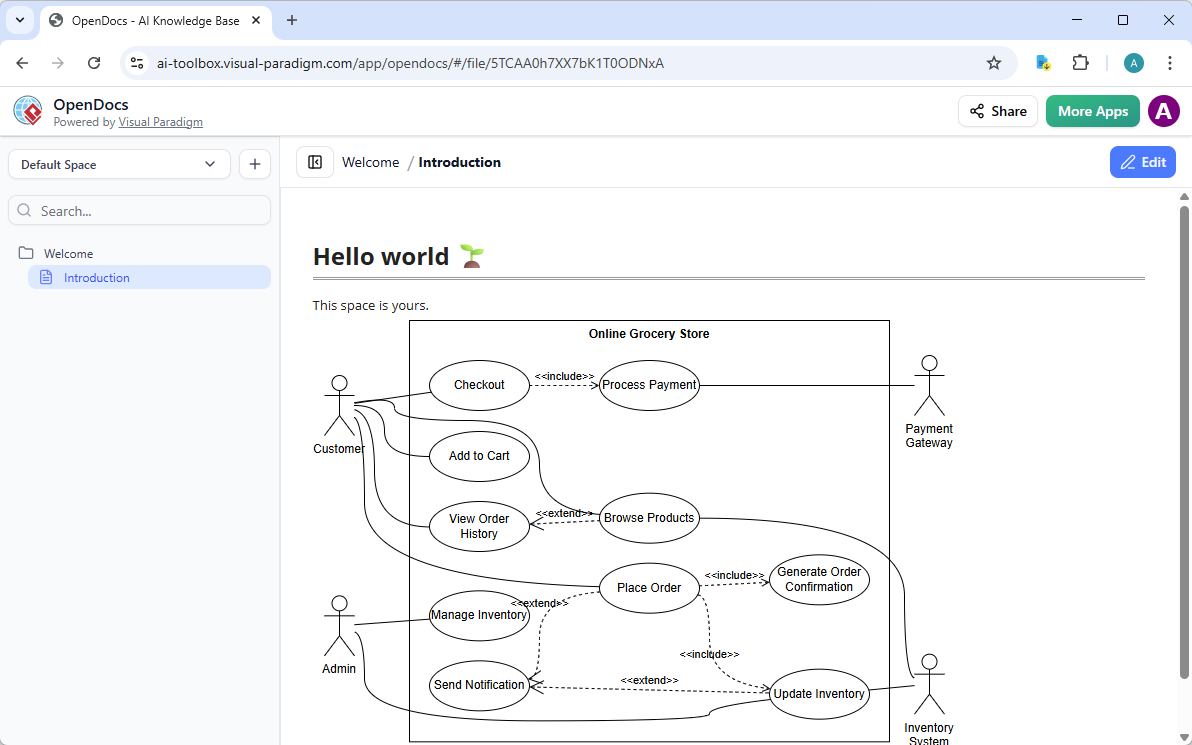
Use case diagrams are a cornerstone of modern software design, offering a clear, visual representation of how users interact with a system to achieve specific goals. These diagrams help define functional requirements and scope from an end-user perspective, making them
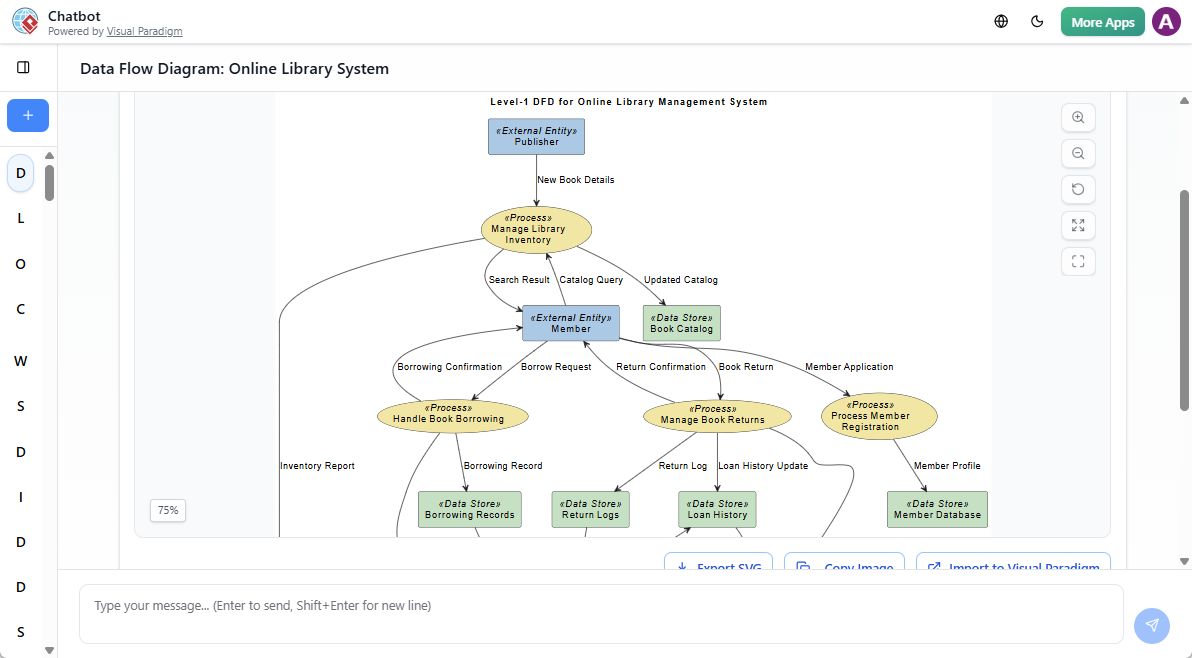
Data Flow Diagrams (DFDs) are essential tools in systems analysis and software engineering for modeling how data moves through a system. Unlike flowcharts, which focus on control logic and sequences, DFDs emphasize the flow and transformation of information. The rise …
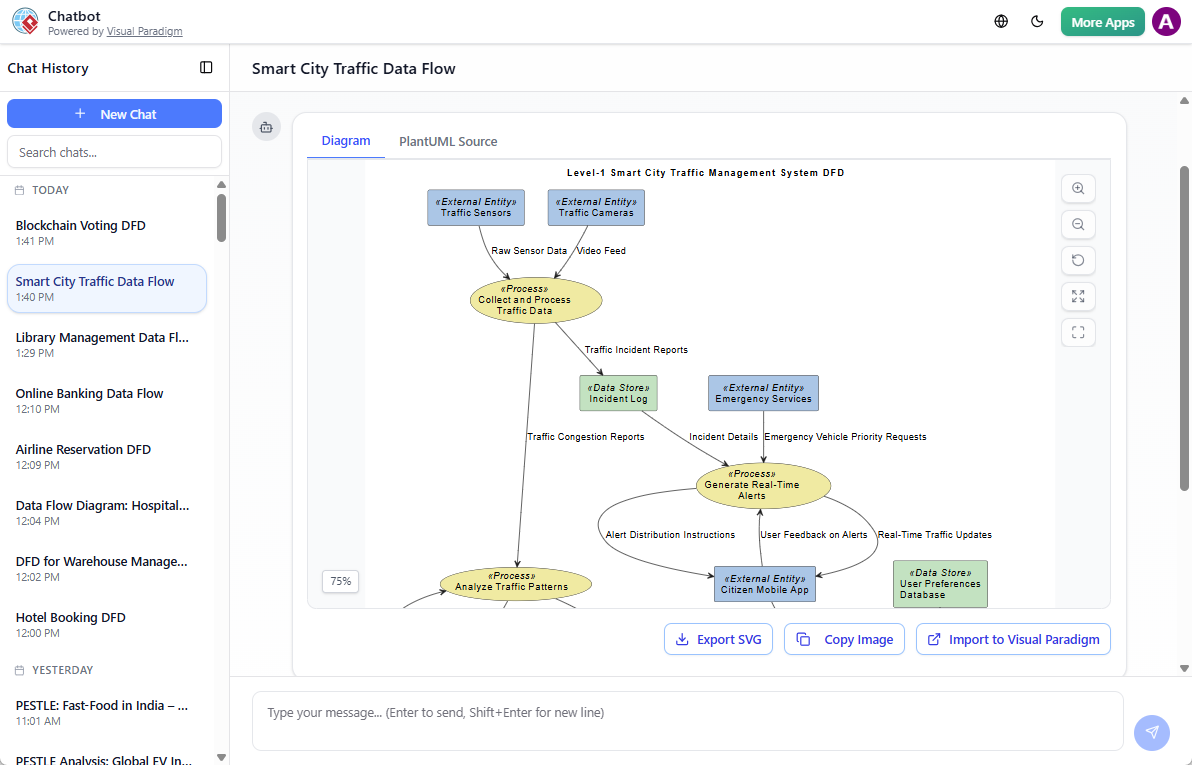
The ultimate AI DFD generator just got better. Visual Paradigm recently added full Data Flow Diagram support to its AI Chatbot – now anyone can create professional DFD diagrams, Data Flow Models, and Data Flow Charts in seconds by simply …
In software architecture and systems modeling, two foundational diagrams are widely used to visualize high-level system boundaries and interactions: the C4 System Context Diagram and the DFD (Data Flow Diagram) Context Diagram. While both depict …