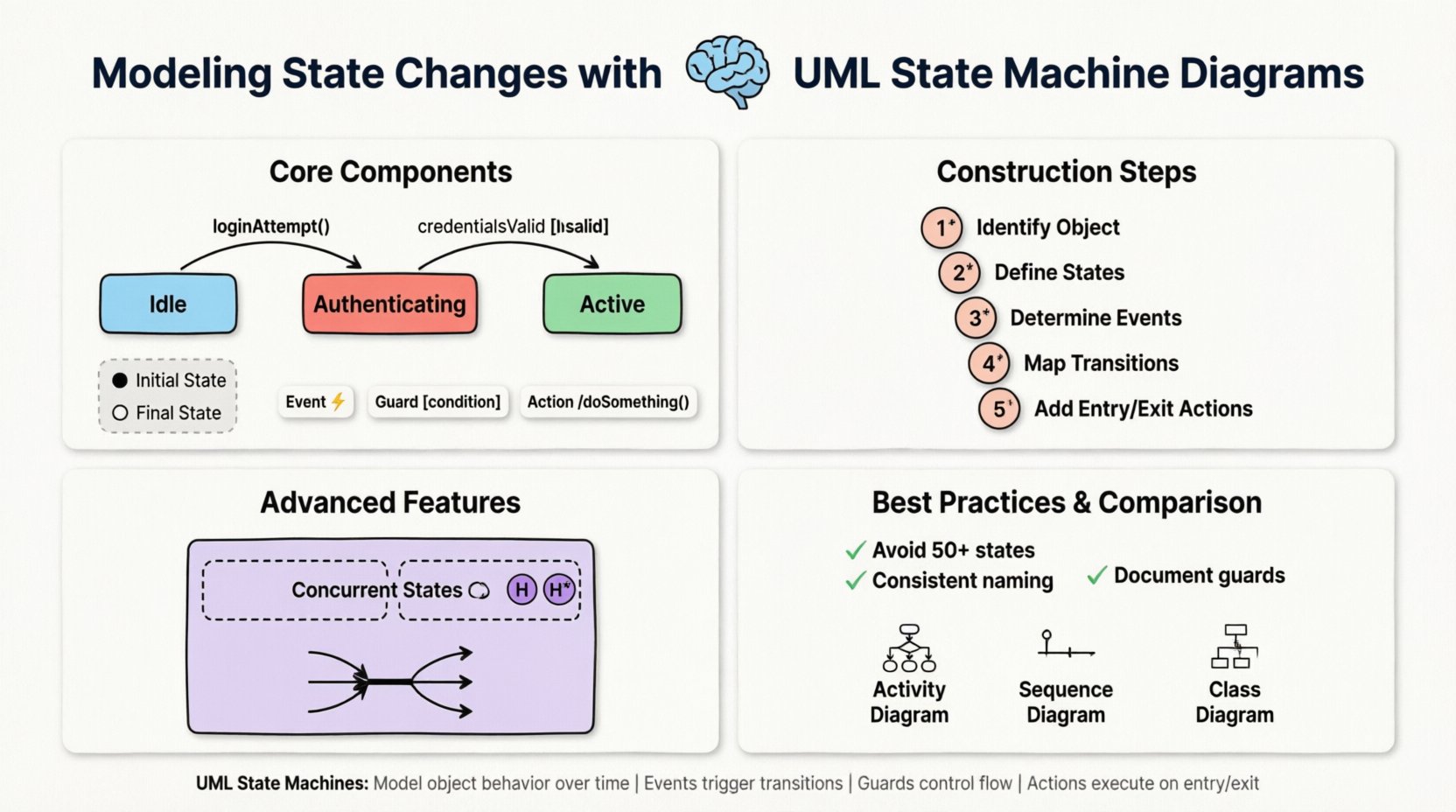
Understanding how software behaves over time is critical for building robust systems. While structure diagrams show what a system consists of, behavioral diagrams explain how it acts. Among these, the UML state machine diagram stands out as a specialized tool …
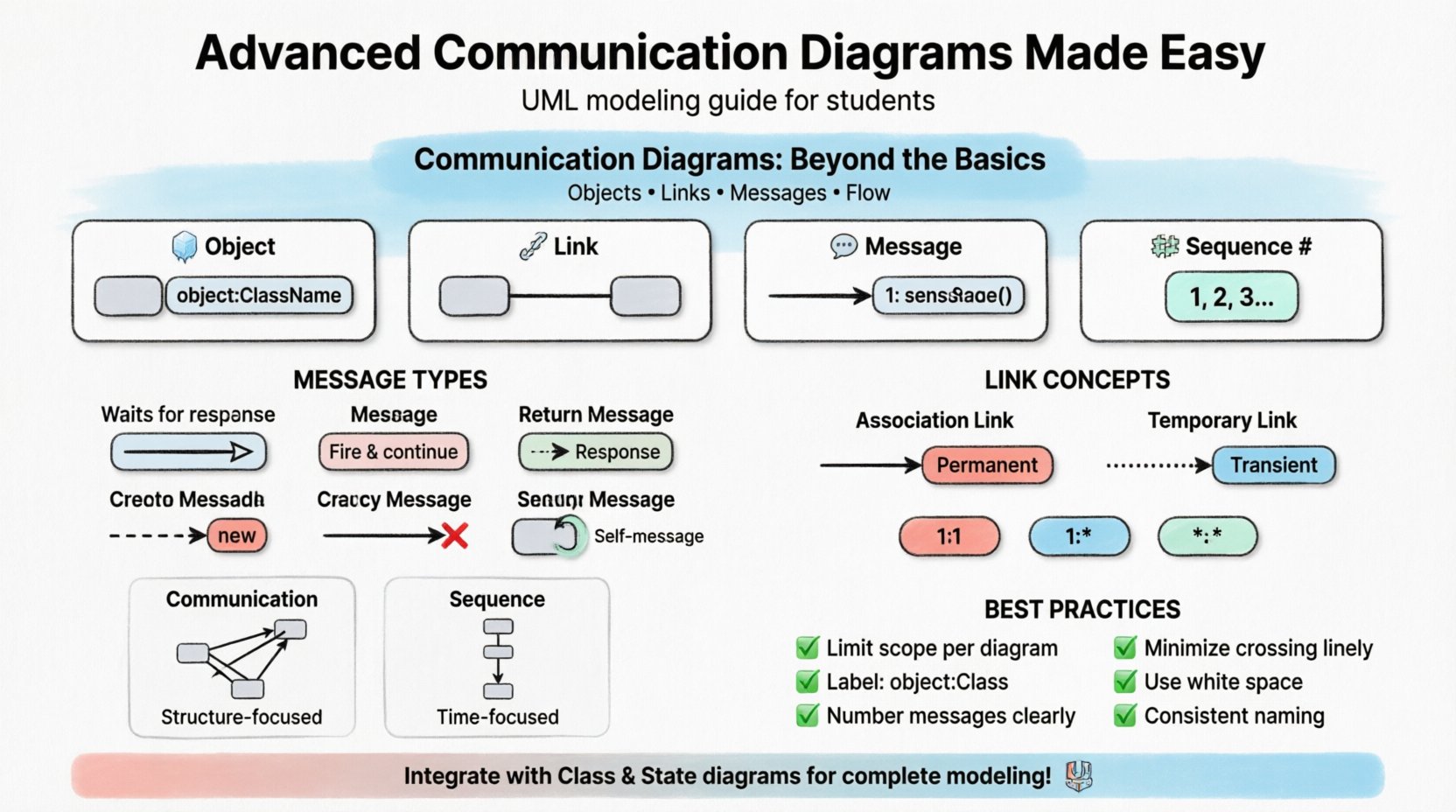
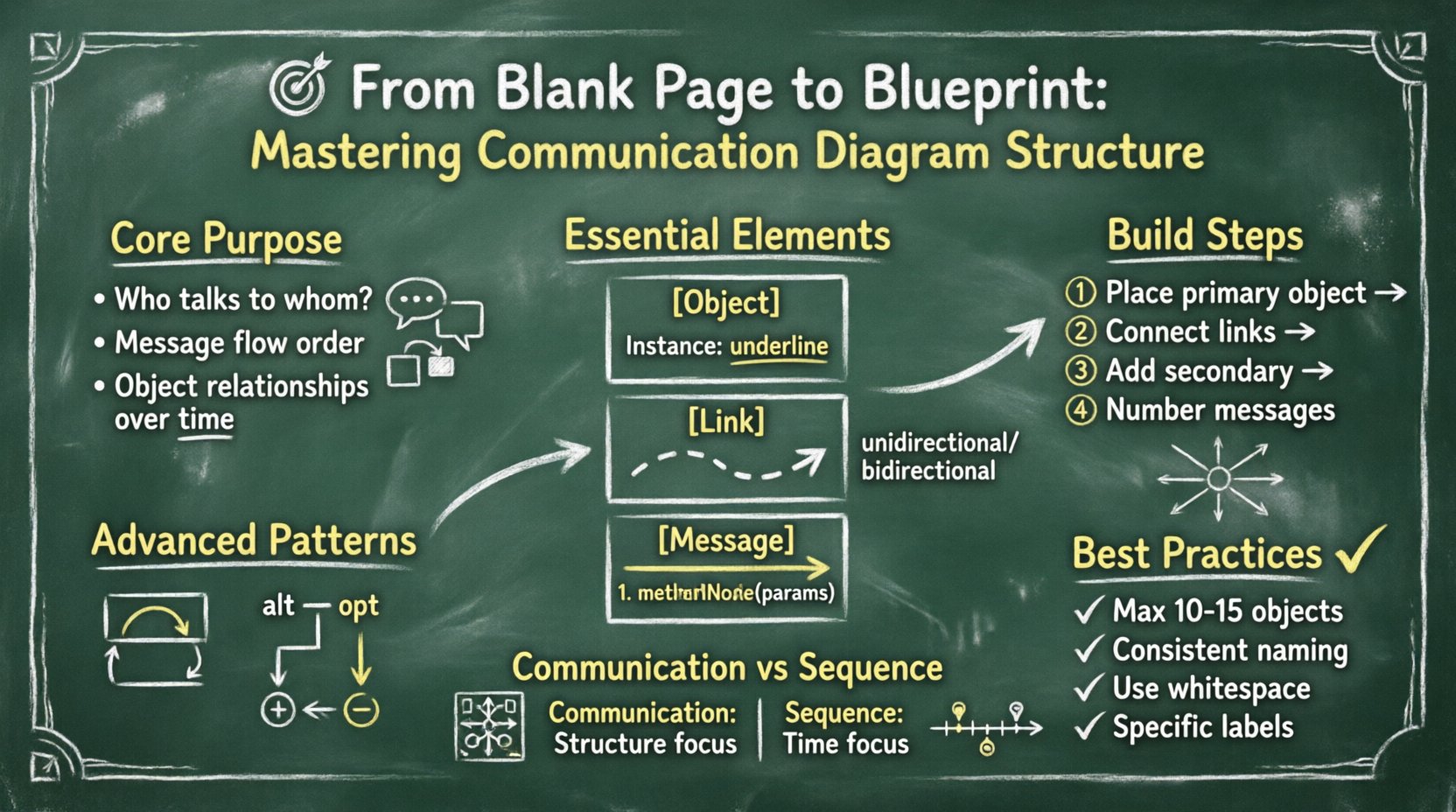
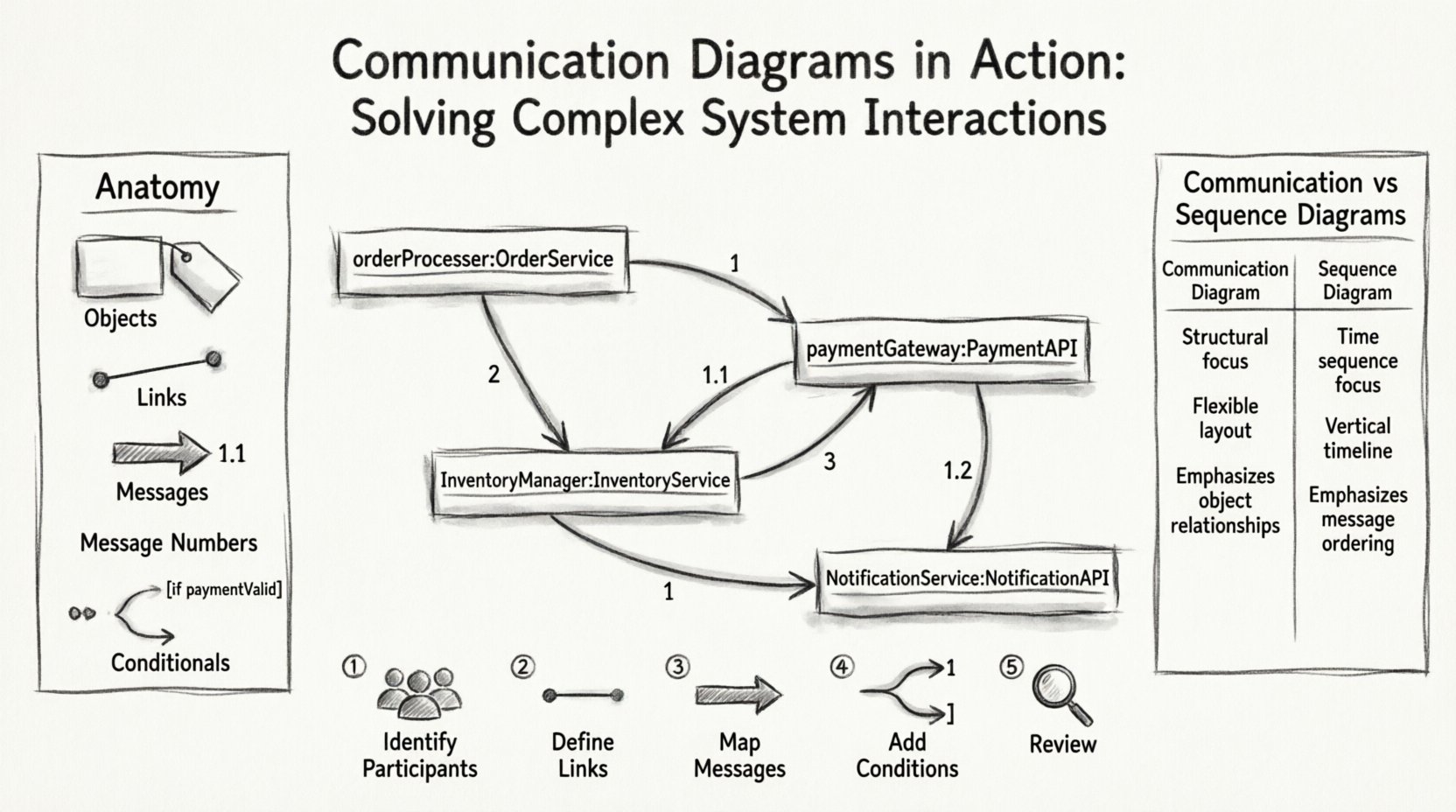
Communication diagrams serve as a critical tool for visualizing the dynamic behavior of a system. While many practitioners stop at drawing simple object connections, true modeling power lies in understanding the nuances of interaction flows. This guide explores the deeper …
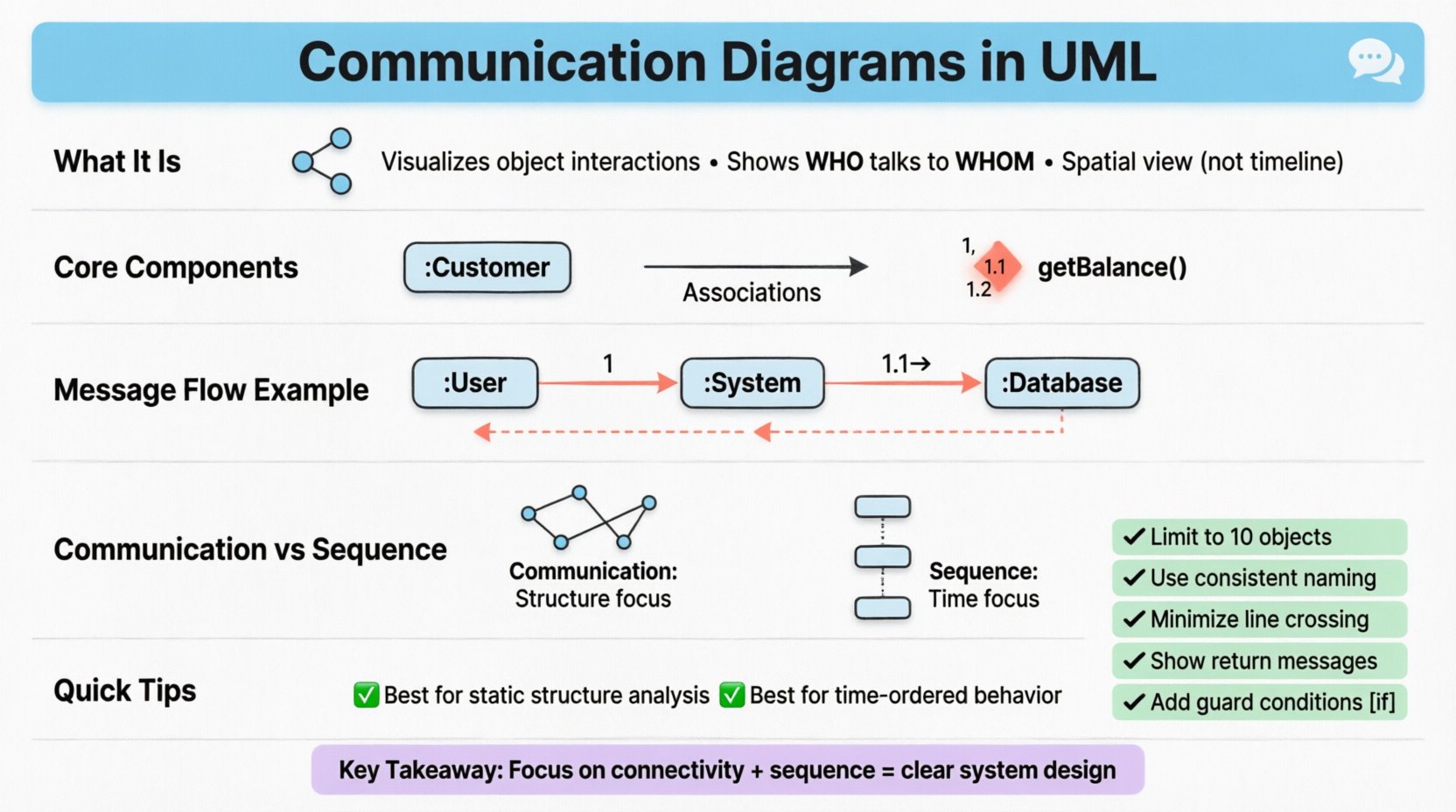
Understanding how software components interact is fundamental to system architecture. While static views define the structure of a system, dynamic views explain how that structure behaves over time. Among the various modeling techniques available, the communication diagram stands out for …
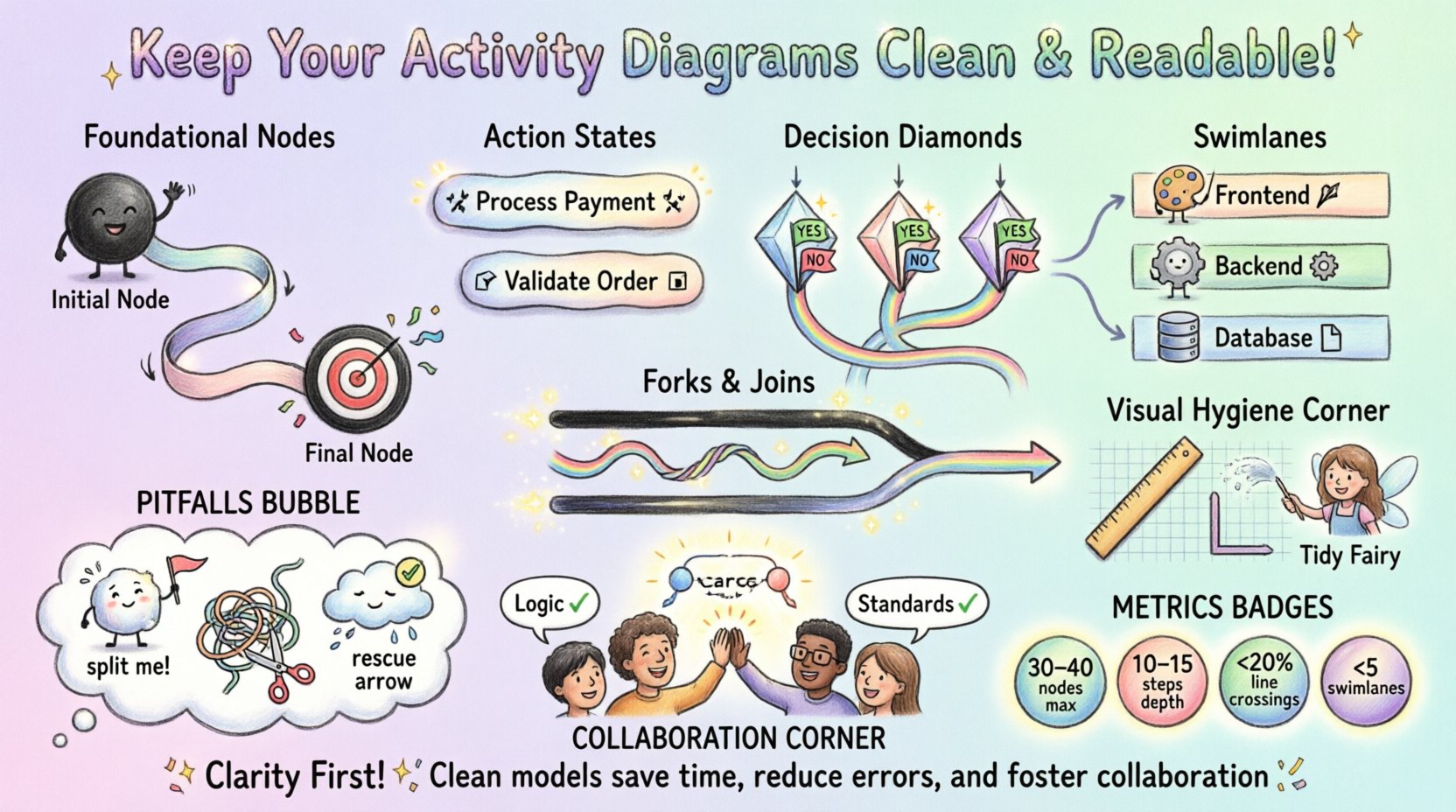
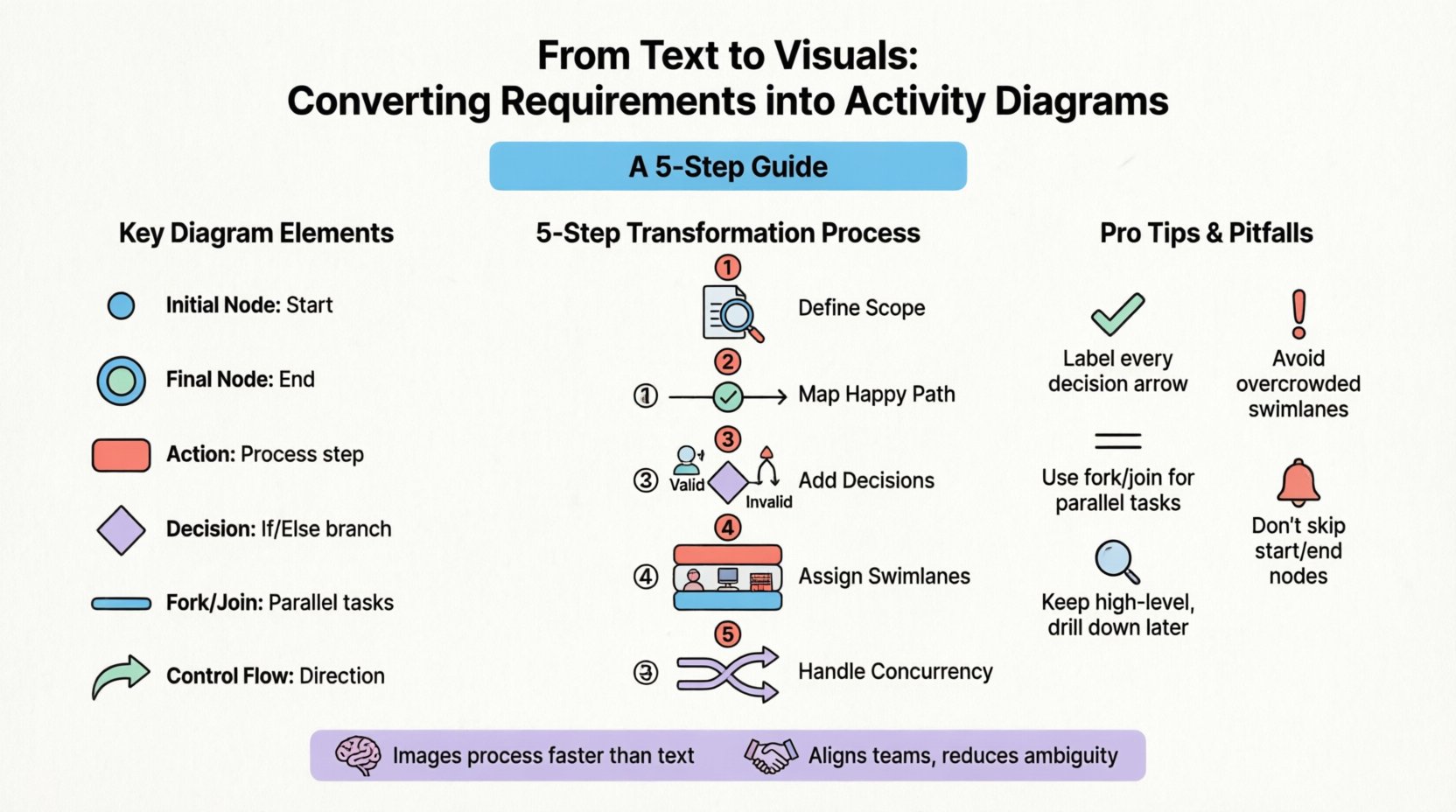
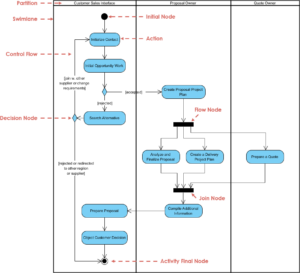
Activity diagrams serve as the backbone of process visualization in system design. They translate abstract logic into concrete flowcharts, allowing stakeholders to understand the dynamic behavior of a system without getting lost in code. However, a diagram that is too …
In the landscape of software architecture and system design, visualizing how components interact is as critical as the code itself. A communication diagram provides a clear view of the relationships between objects and the flow of messages that drive behavior …
Understanding how software components talk to one another is fundamental to building robust systems. 🏗️ While many focus on code logic, the visual representation of interactions often holds the key to clarity. Communication diagrams provide a structured way to map …
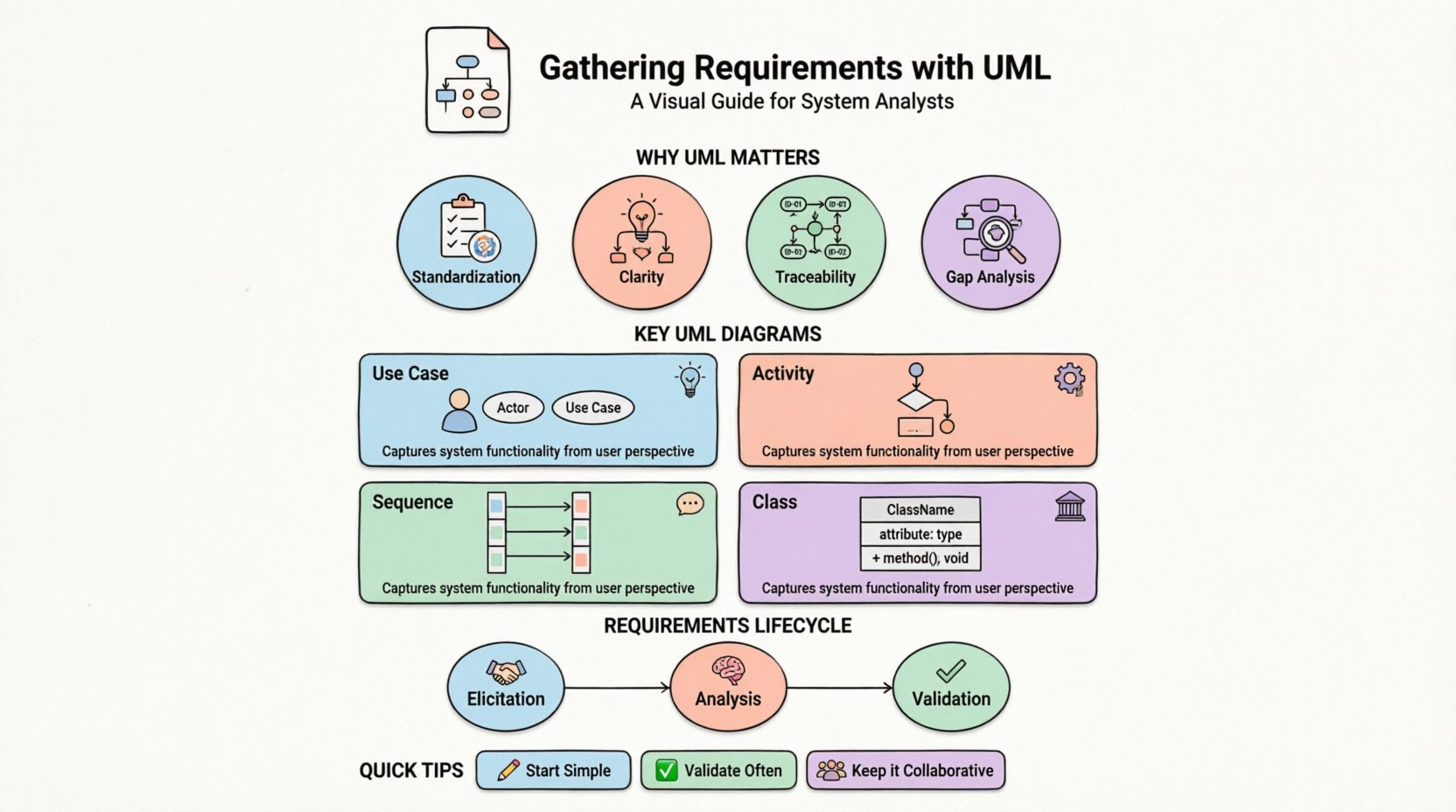
Effective system analysis begins with a clear understanding of what needs to be built. Without precise requirements, projects drift into ambiguity, leading to costly rework and misaligned expectations. Unified Modeling Language (UML) offers a standardized visual language to bridge the …
System modeling relies on precision. When a diagram depicts a relationship that does not exist in reality, it introduces risk. These errors are often described as hallucinations in the context of automated or semi-automated design processes. A false interaction suggests …
Software development and system design often begin with a dense wall of text. Stakeholders, analysts, and clients describe how a system should behave in paragraphs, bullet points, and narrative statements. While essential, text alone is prone to misinterpretation. Ambiguity hides …
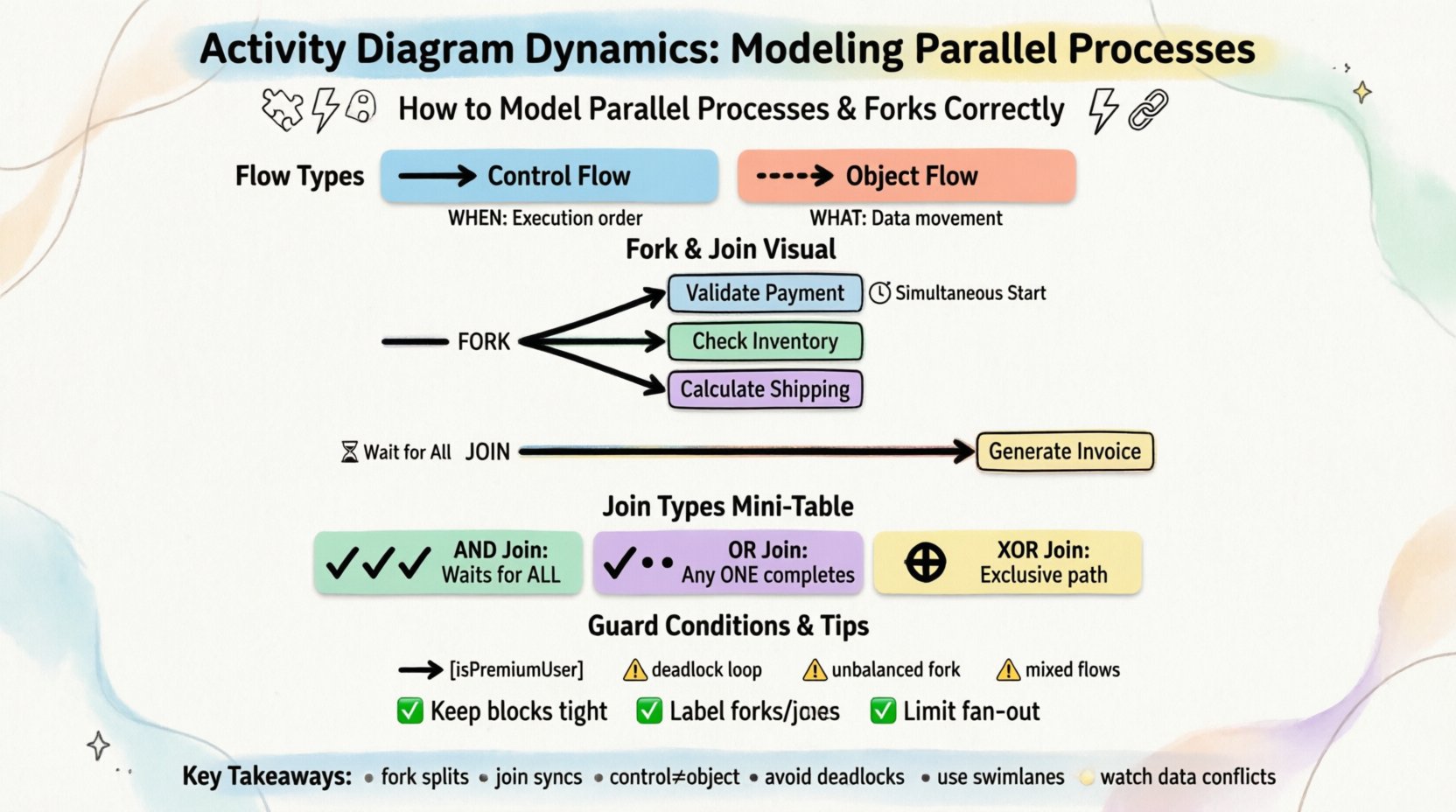
Activity diagrams serve as a fundamental tool for visualizing the dynamic aspects of a system. While sequential flows are intuitive, real-world processes rarely follow a single linear path. To accurately represent complex business logic or system behavior, one must understand …