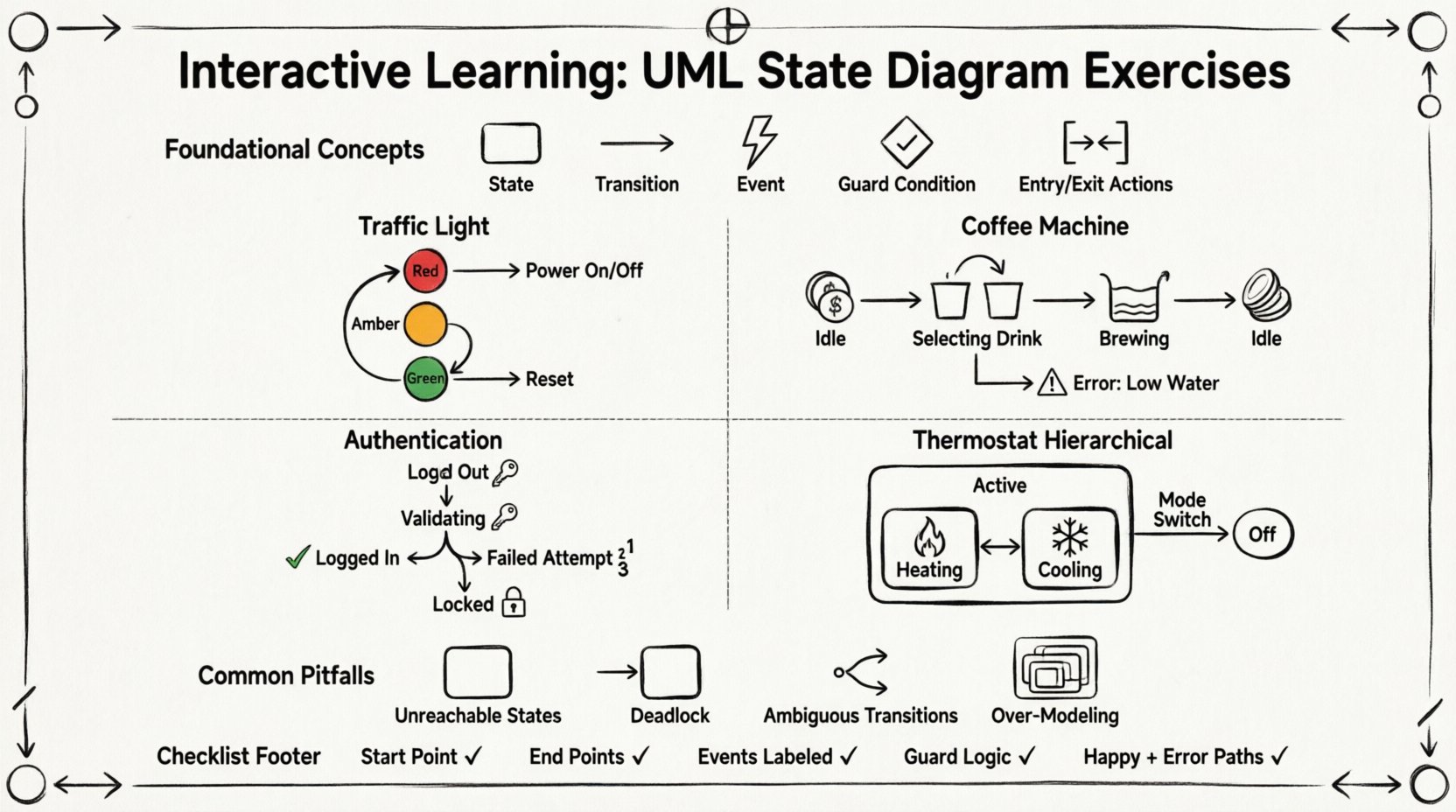
Understanding how systems behave over time is a critical skill in software engineering and systems design. A UML State Machine Diagram, often referred to as a State Diagram, provides a visual representation of the lifecycle of an object. It captures …
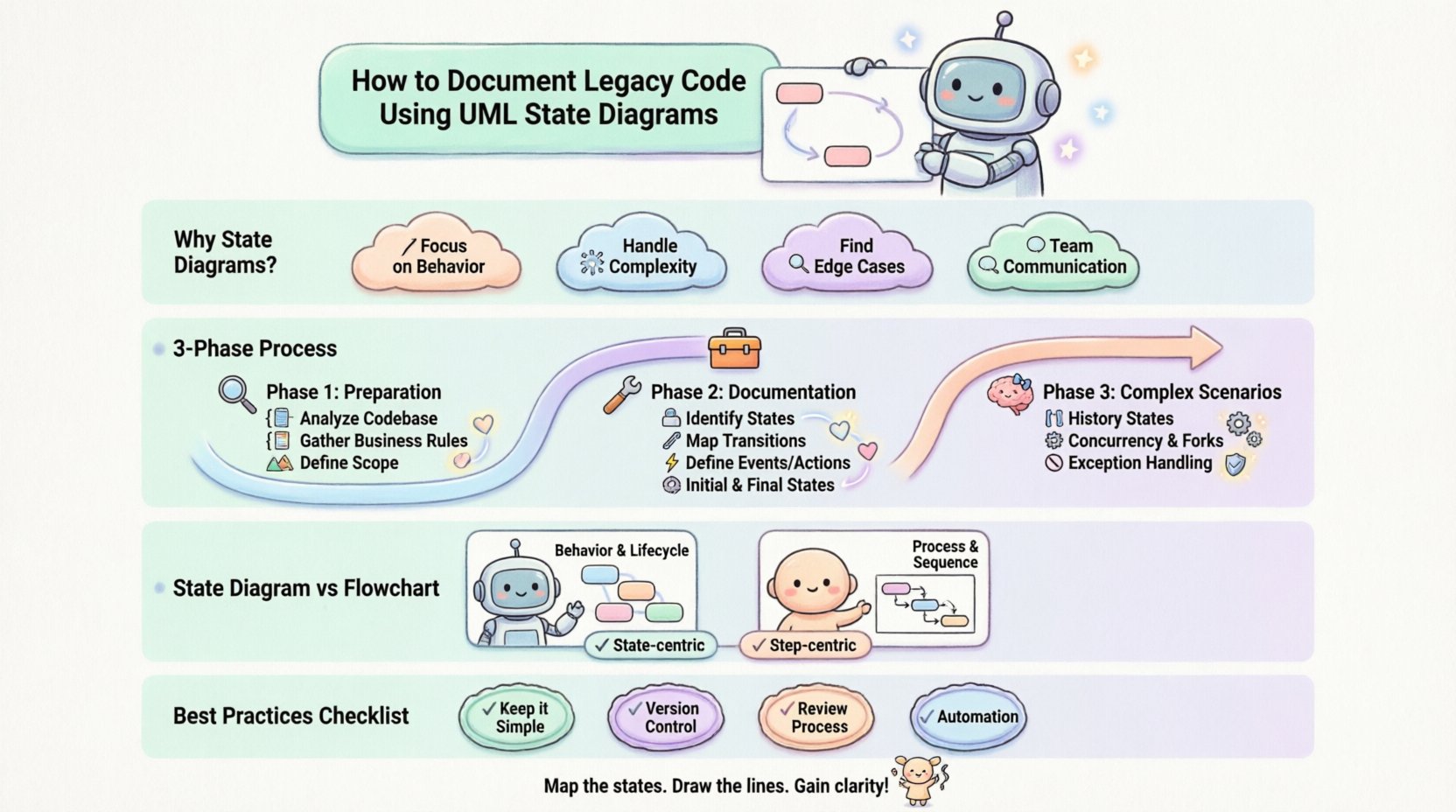
Legacy systems often become the silent engines of an organization, running critical operations without clear documentation or modern architectural patterns. When new engineers join a team or maintenance becomes necessary, the lack of visibility into system behavior creates significant risk. …
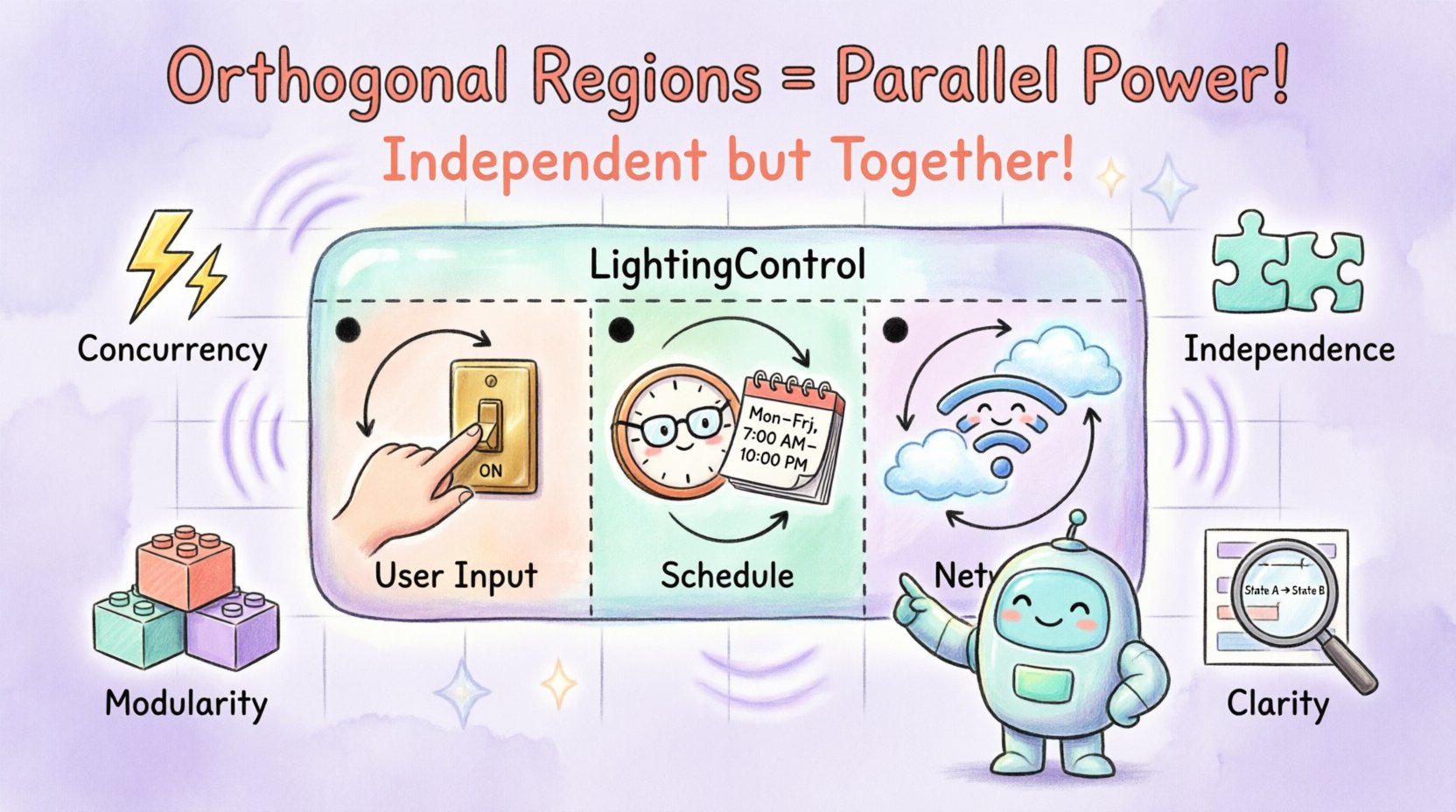
Complex systems require complex logic. When you design software, embedded controllers, or workflow engines, simple linear flows often fall short. You need a model that captures simultaneous behaviors without cluttering the visual representation. This is where the concept of orthogonal …
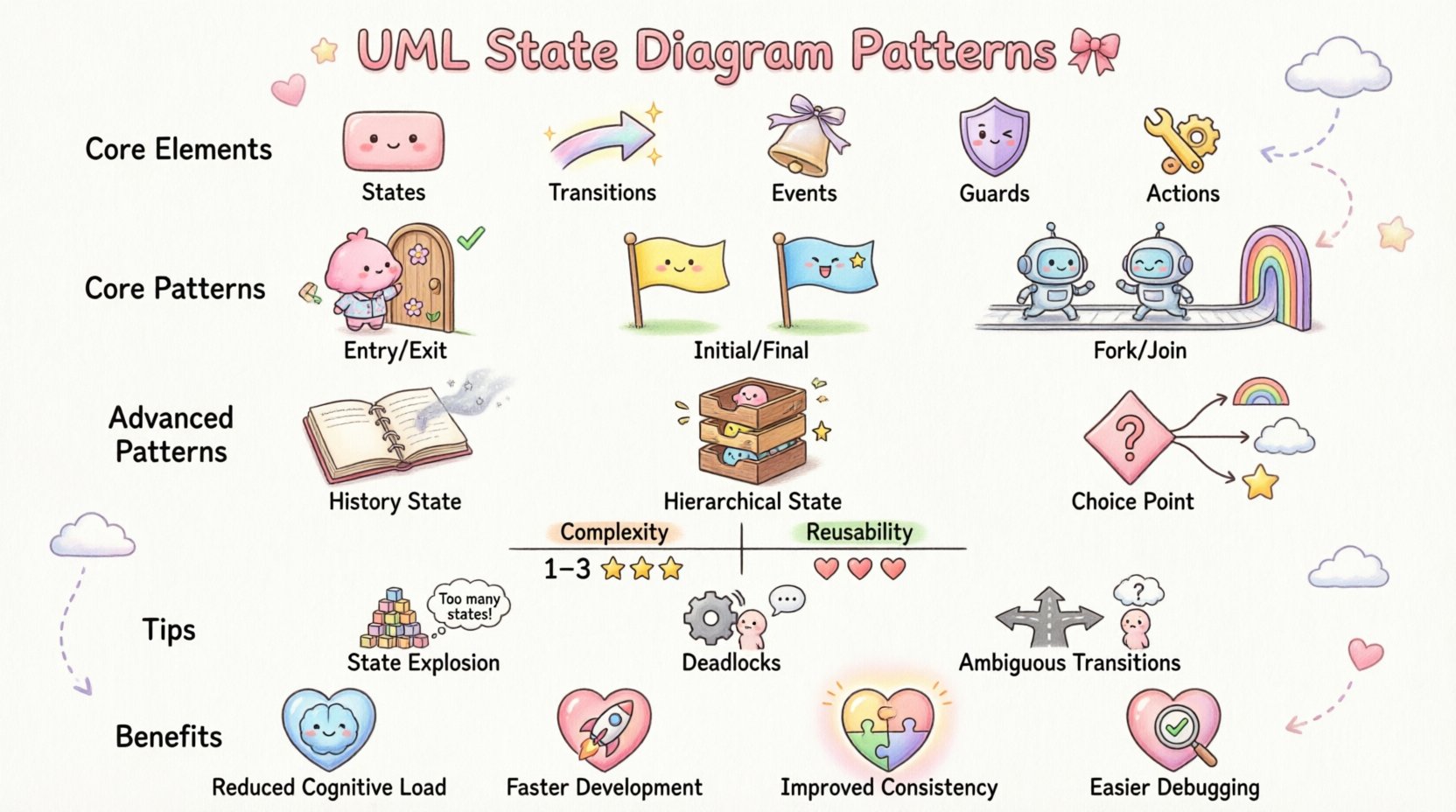
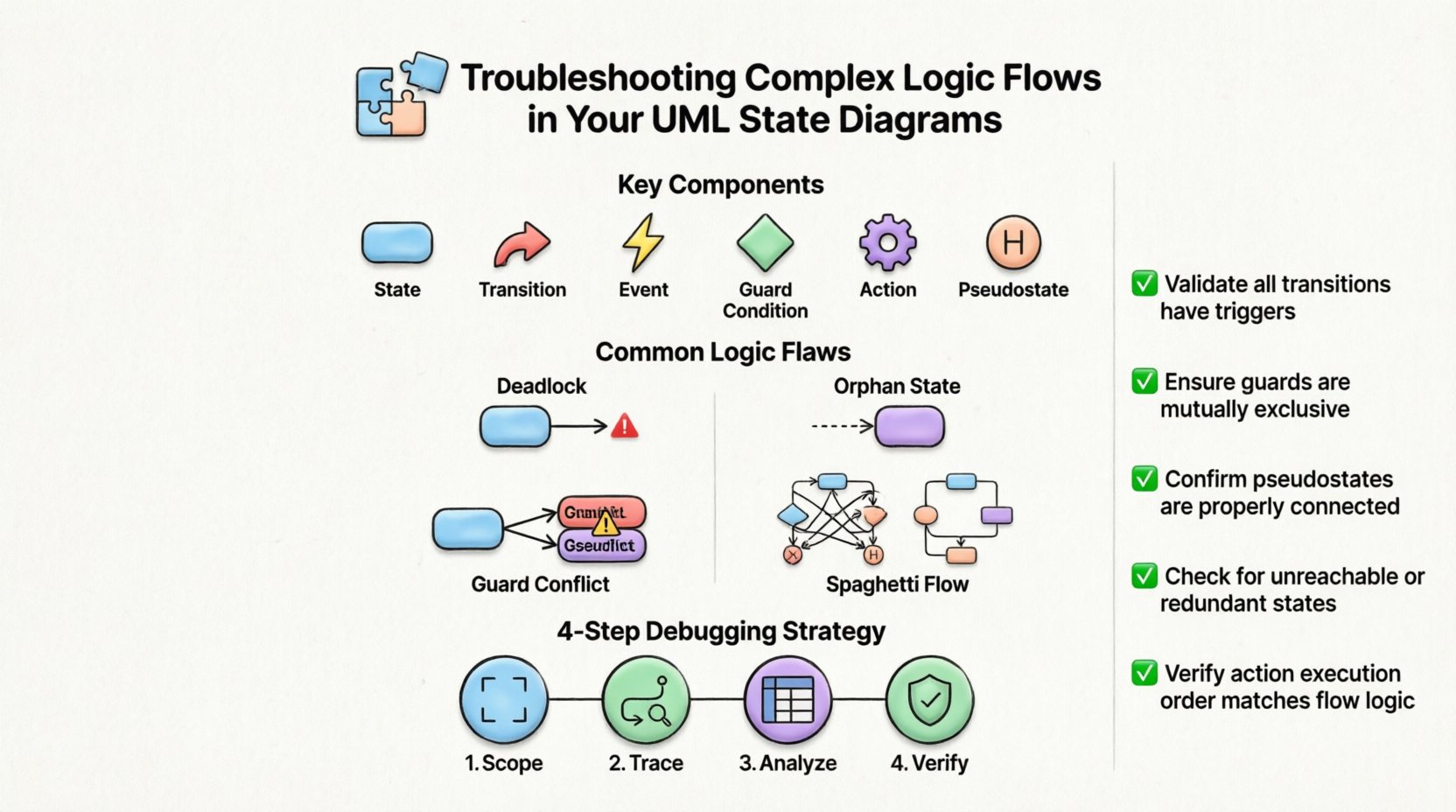
Designing complex systems requires more than just drawing boxes and lines. It demands a deep understanding of behavior over time. The UML State Machine Diagram offers a powerful way to model how objects change state in response to events. However, …
Designing robust systems requires more than just defining how a system behaves; it demands ensuring that the system never gets stuck. In the context of software architecture, a deadlock represents a critical failure mode where the execution halts indefinitely. Within …
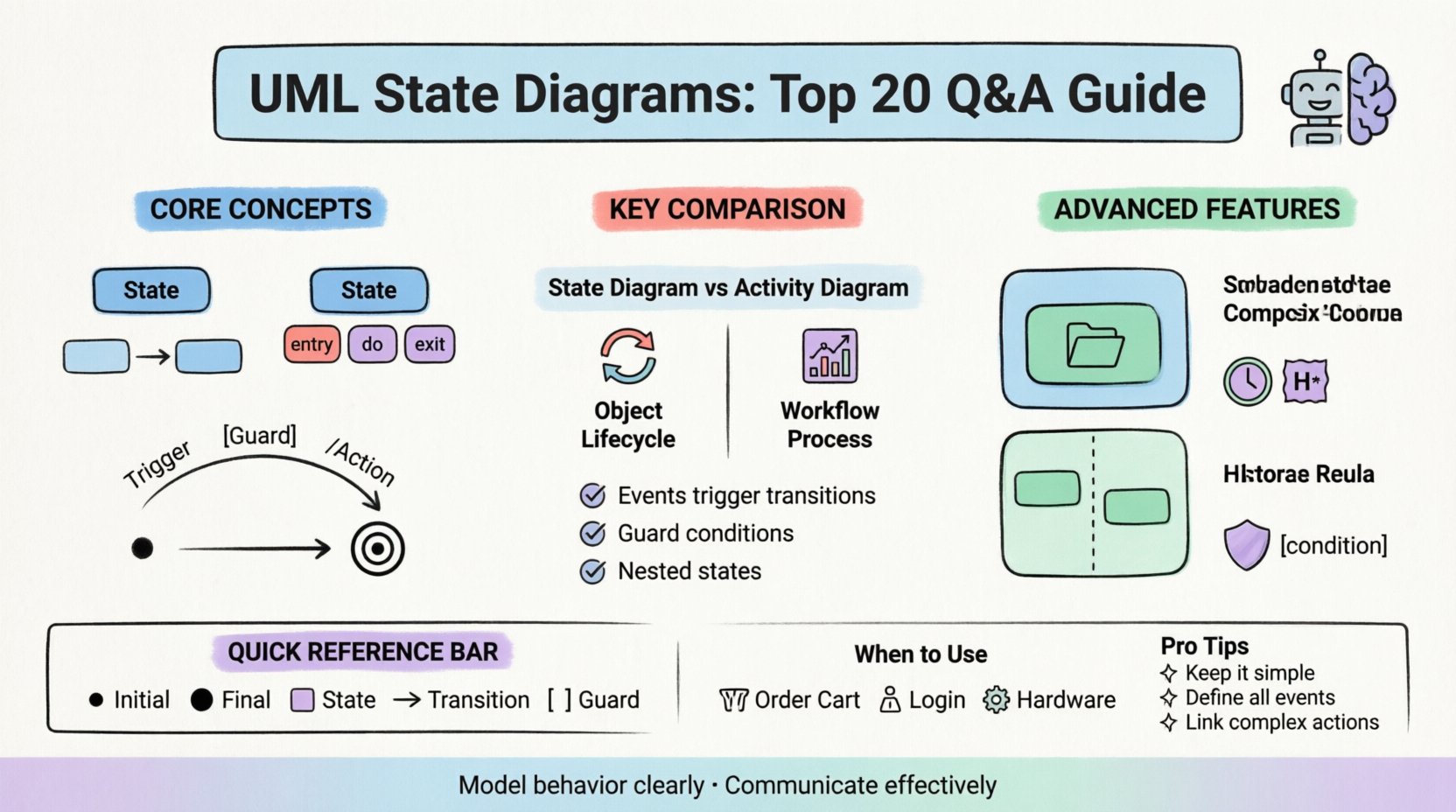
Understanding how a system behaves over time is critical for robust software architecture. While class diagrams describe structure, UML State Diagrams (also known as State Machine Diagrams) describe the dynamic behavior of individual objects. This guide addresses common inquiries regarding …
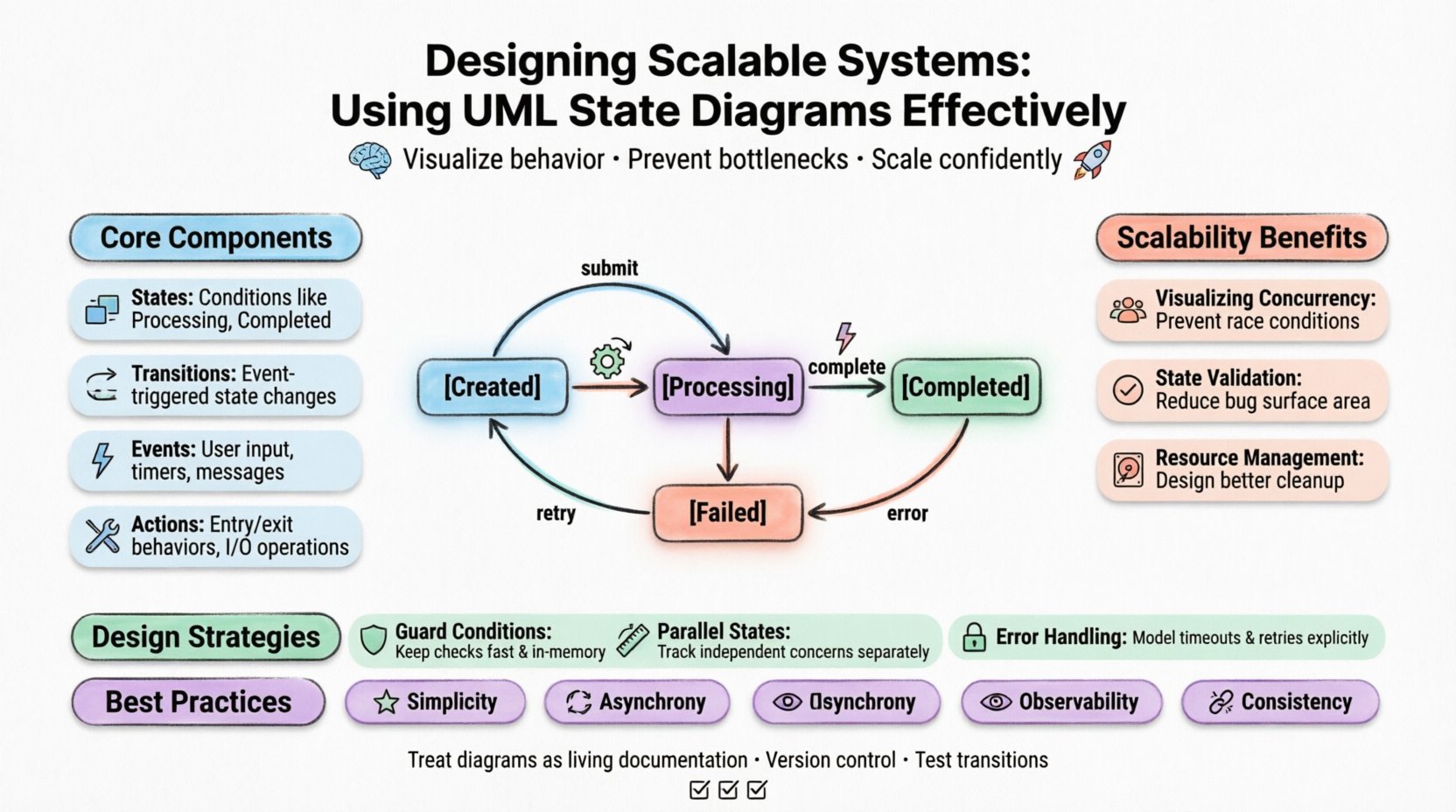
Building systems that grow without breaking is a fundamental challenge in software architecture. As applications expand in complexity, the behavior of individual components becomes harder to predict. This is where modeling techniques prove essential. Specifically, the Unified Modeling Language (UML) …
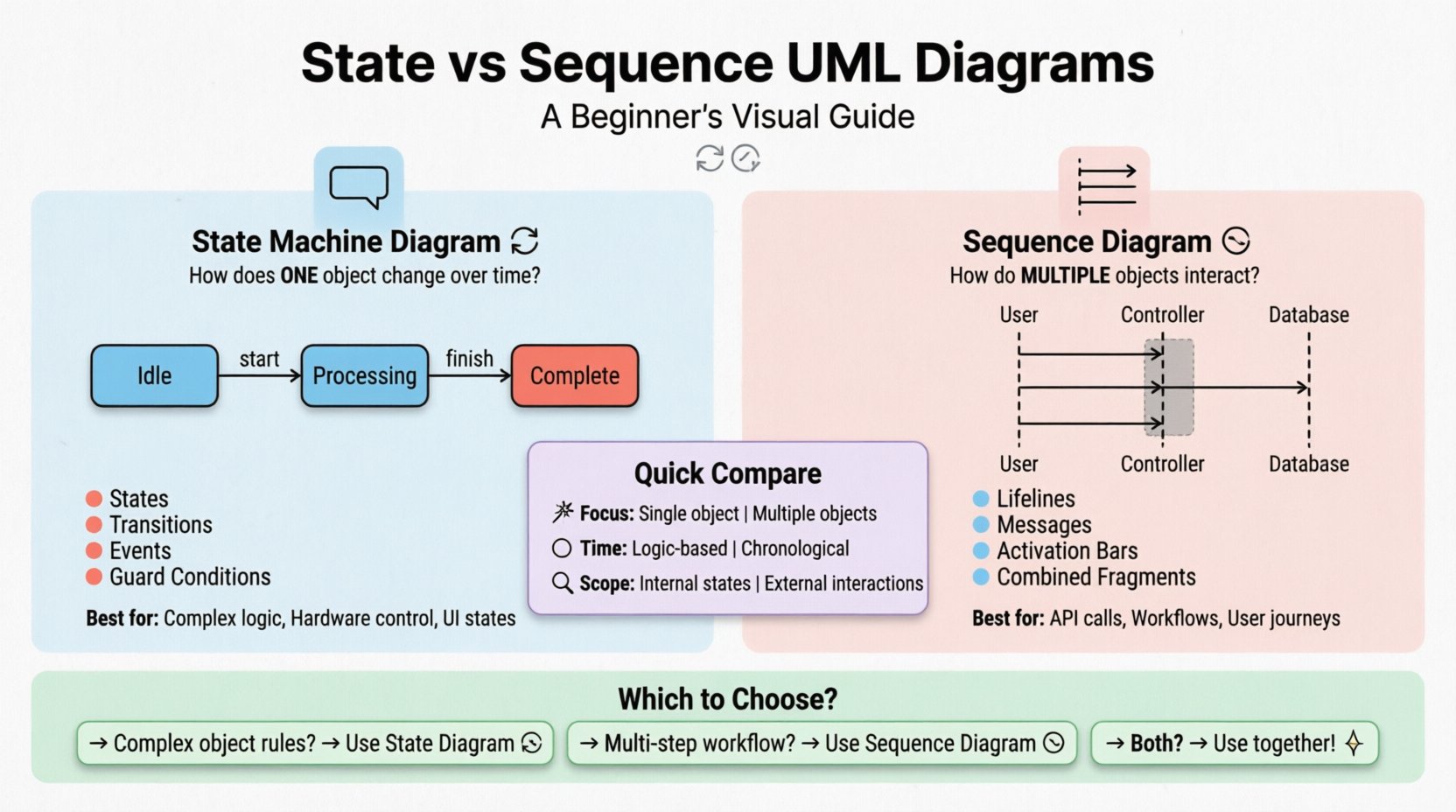
When designing complex systems, understanding how a system behaves over time is just as critical as understanding its static structure. While class diagrams define the data and sequence diagrams define the interaction flow, the UML State Diagram (often called a …
Software design is the backbone of any robust application. Before writing a single line of code, architects and developers must visualize how a system behaves. Unified Modeling Language (UML) serves as the standard notation for this visualization. Among the many …
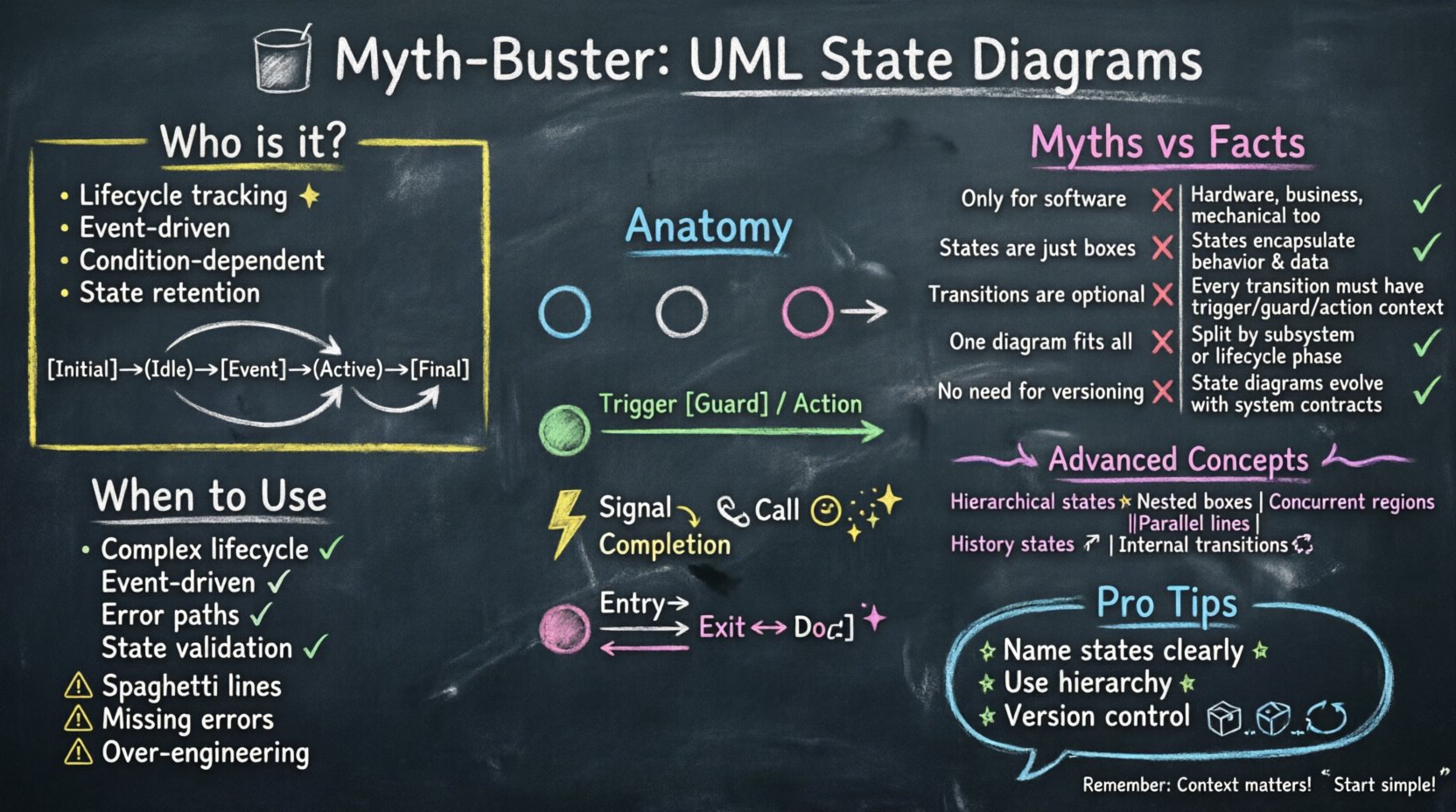
State Machine Diagrams serve as the backbone for defining the dynamic behavior of systems. They map out how an object responds to events over time. However, as systems scale, the diagrams often become intricate webs of transitions, states, and conditions. …