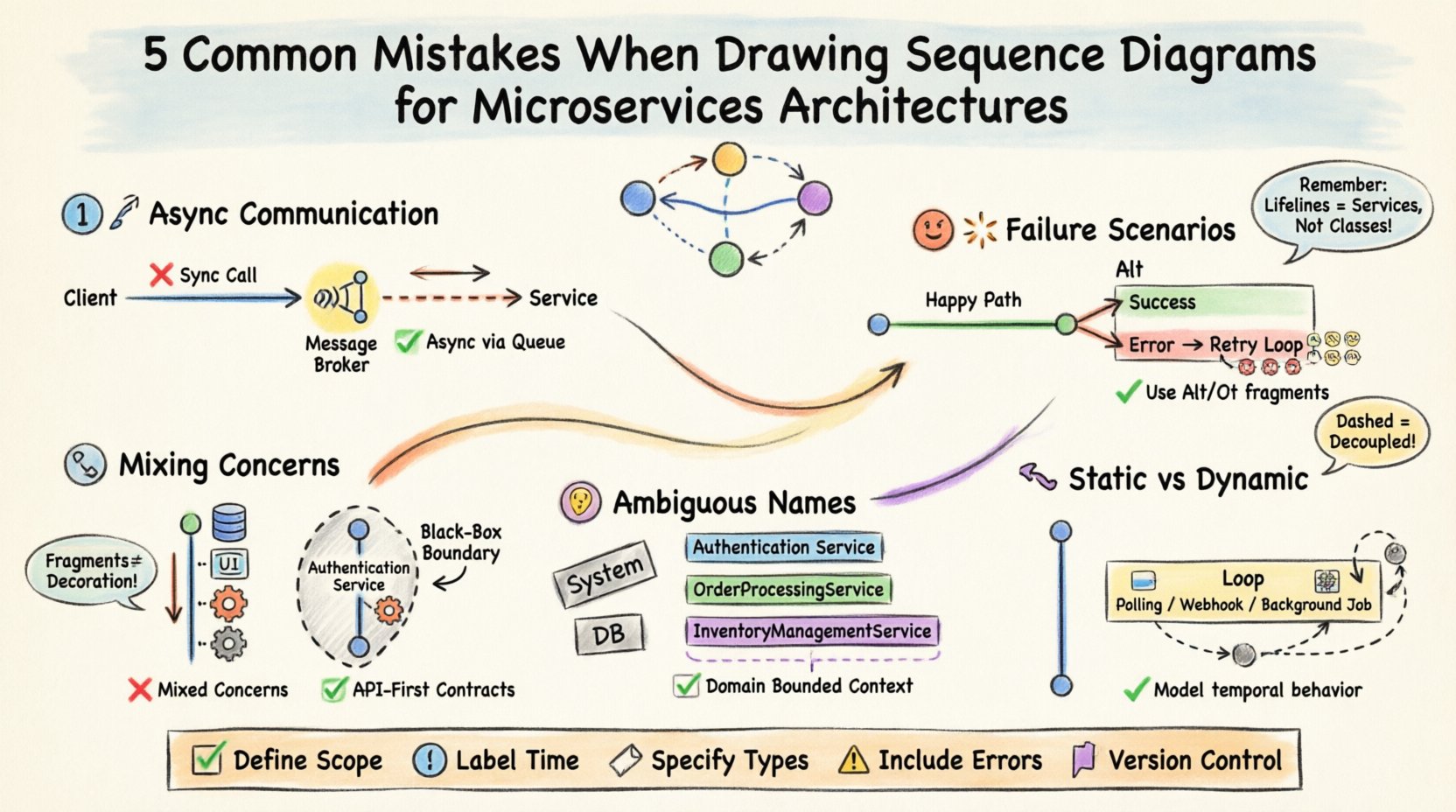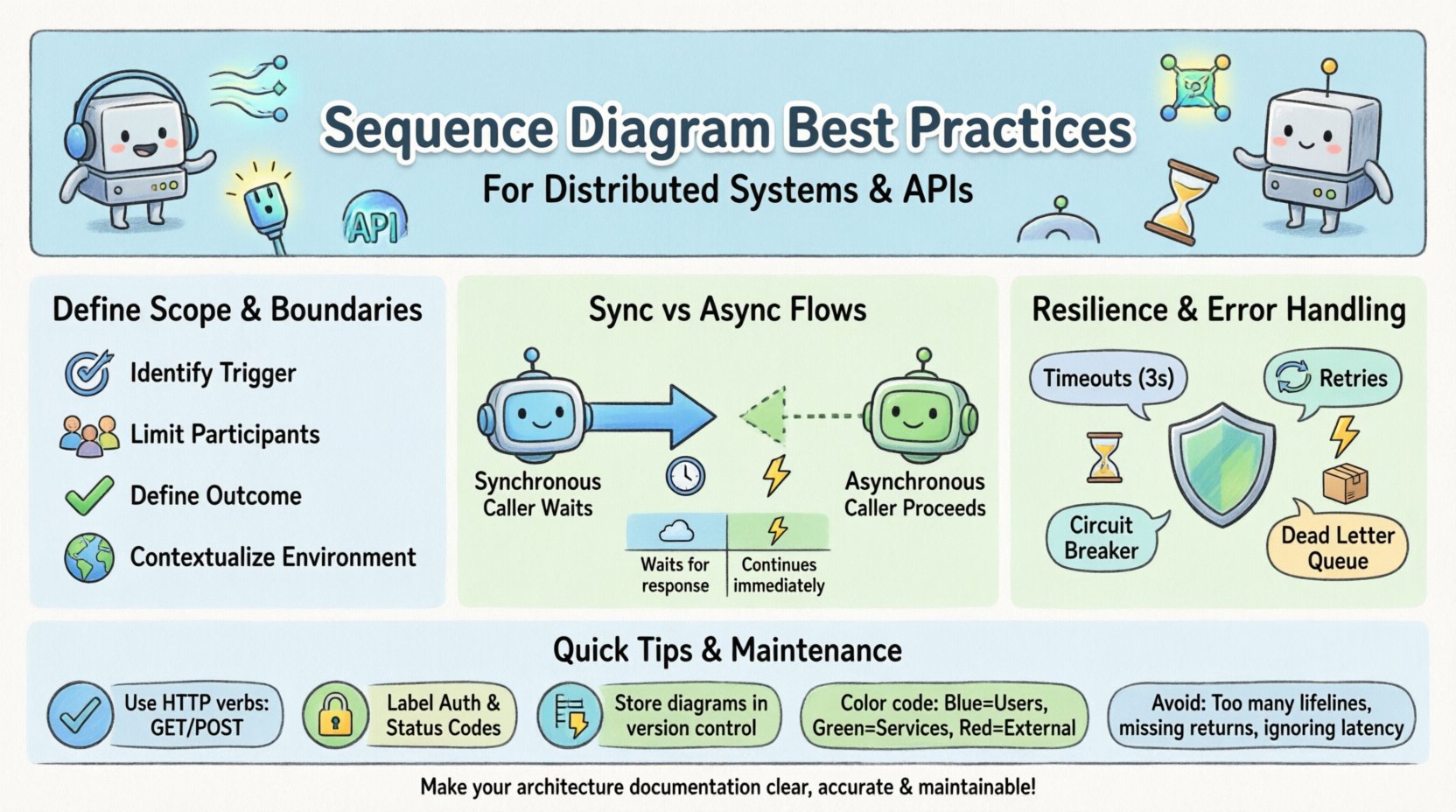
In the landscape of modern distributed systems, clarity is currency. 🏦 Microservices architecture offers scalability and flexibility, but it introduces complexity that traditional monolithic designs rarely encounter. One of the most critical artifacts used to navigate this complexity is the …
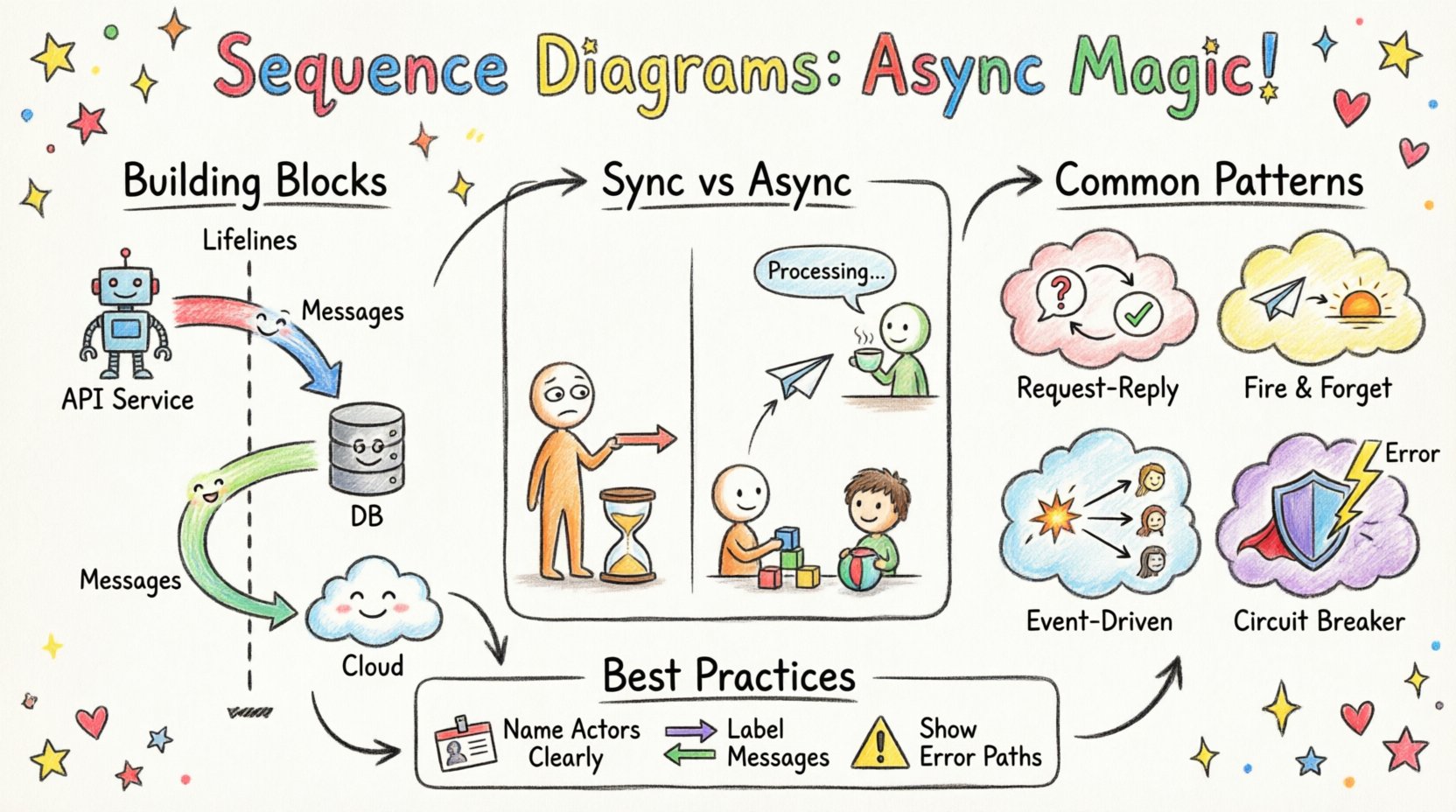
In modern software architecture, the complexity of interactions between services often outpaces the clarity of their documentation. A sequence diagram serves as a critical tool for visualizing the dynamic behavior of a system over time. It captures the flow of …
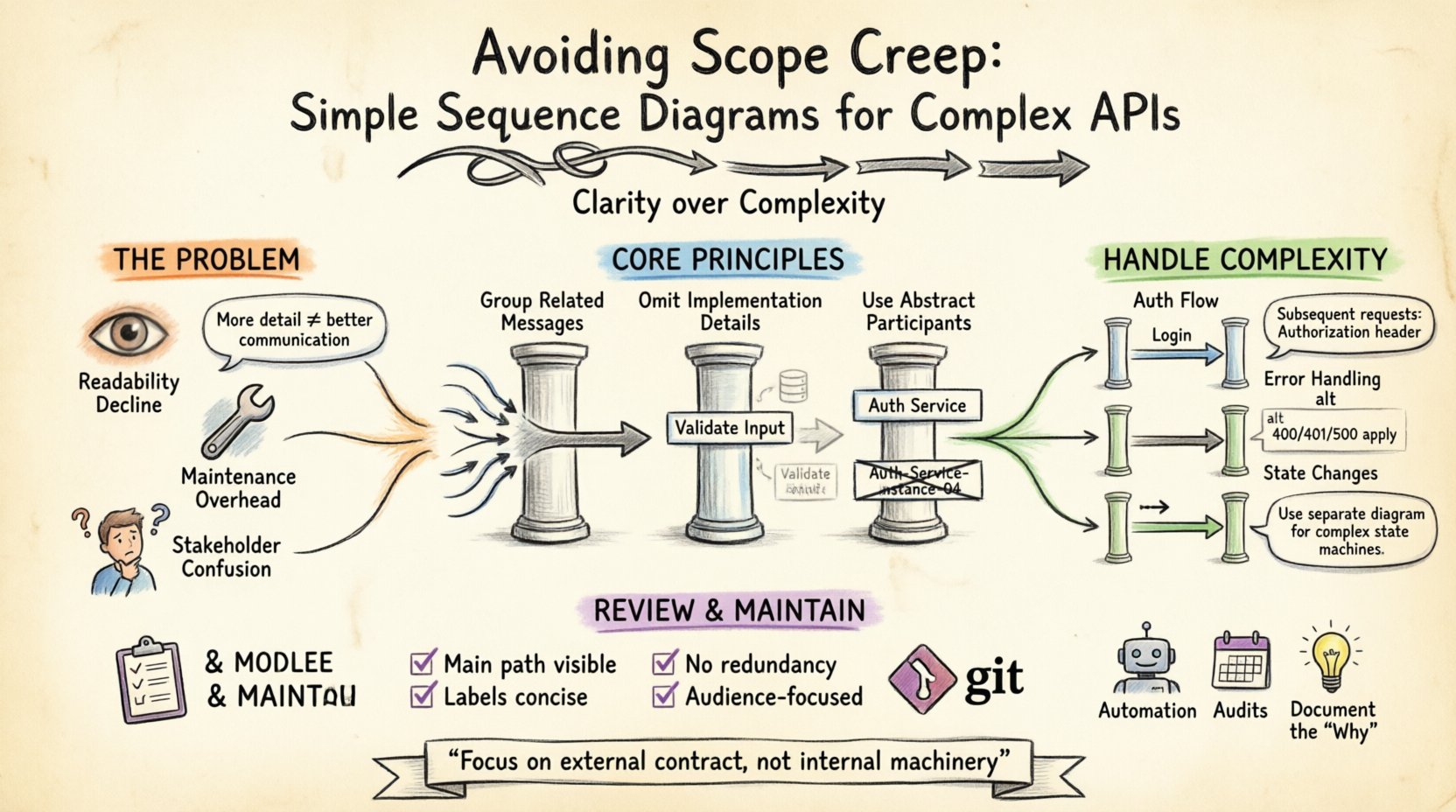
In the intricate architecture of modern software systems, documentation often becomes a casualty of momentum. When building complex APIs, the pressure to document every edge case, every retry logic, and every internal handshake can lead to diagrams that are more …
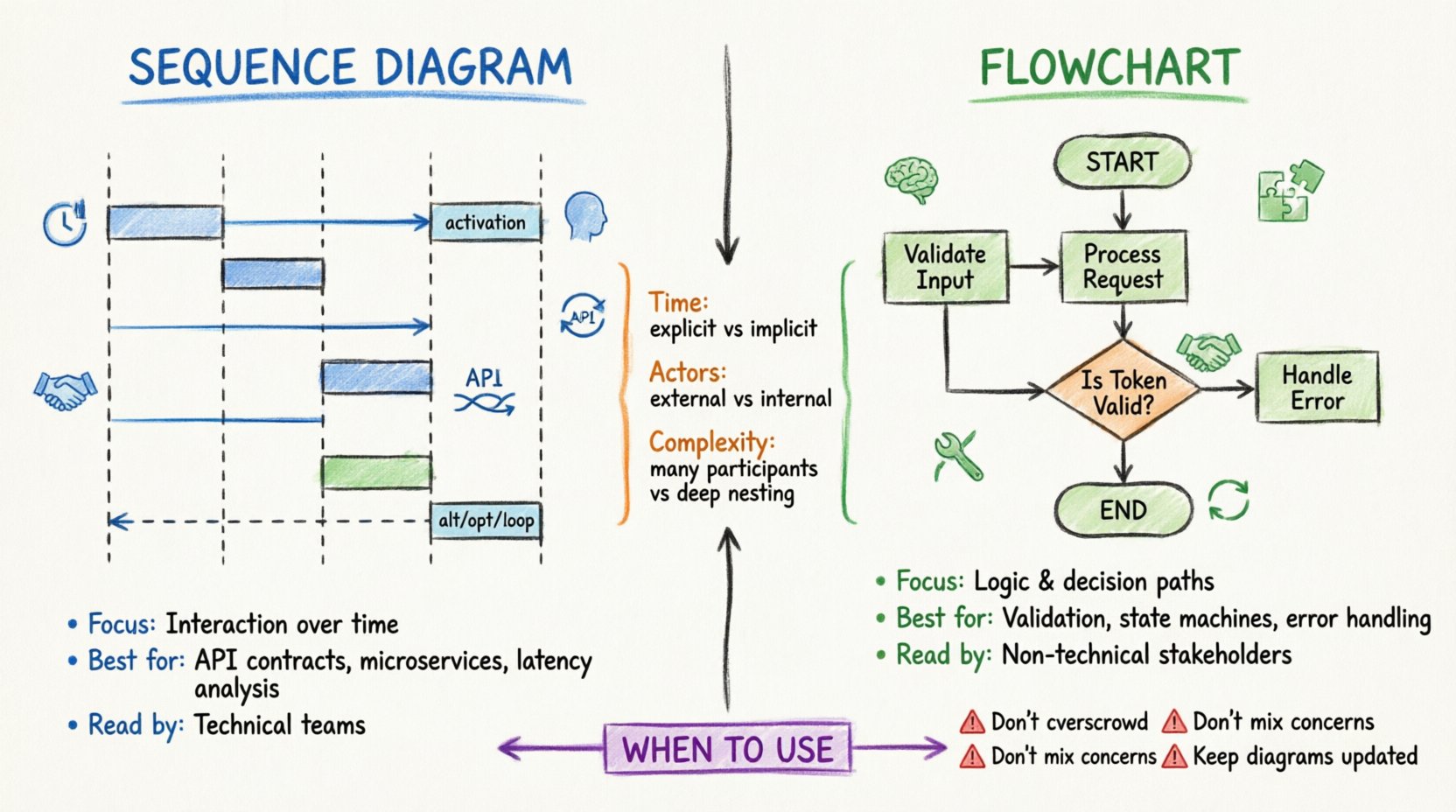
Designing robust APIs requires more than just writing code. It demands clear communication between developers, stakeholders, and system architects. Visual diagrams serve as the universal language for these discussions. However, selecting the wrong visualization tool can lead to confusion, misalignment, …
Building robust backend systems requires clear communication between components. When services interact, the flow of data determines stability and performance. Sequence diagrams provide a visual language to map these interactions. They are not just drawings; they are contracts of behavior. …
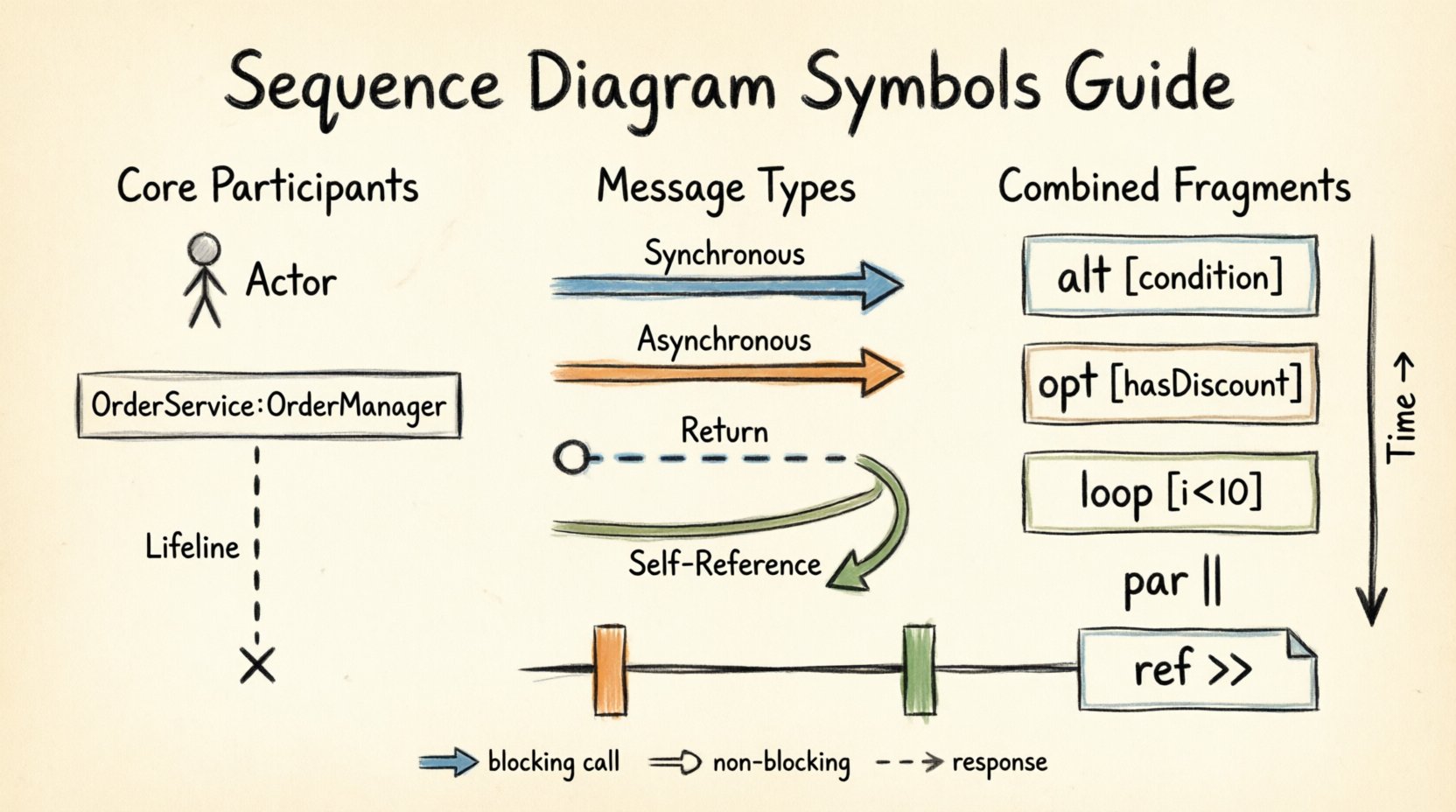
Understanding how software components interact is a cornerstone of effective system design. Sequence diagrams provide a visual representation of these interactions over time. For new developers, grasping the specific symbols used in these diagrams is essential for communicating architecture, debugging …
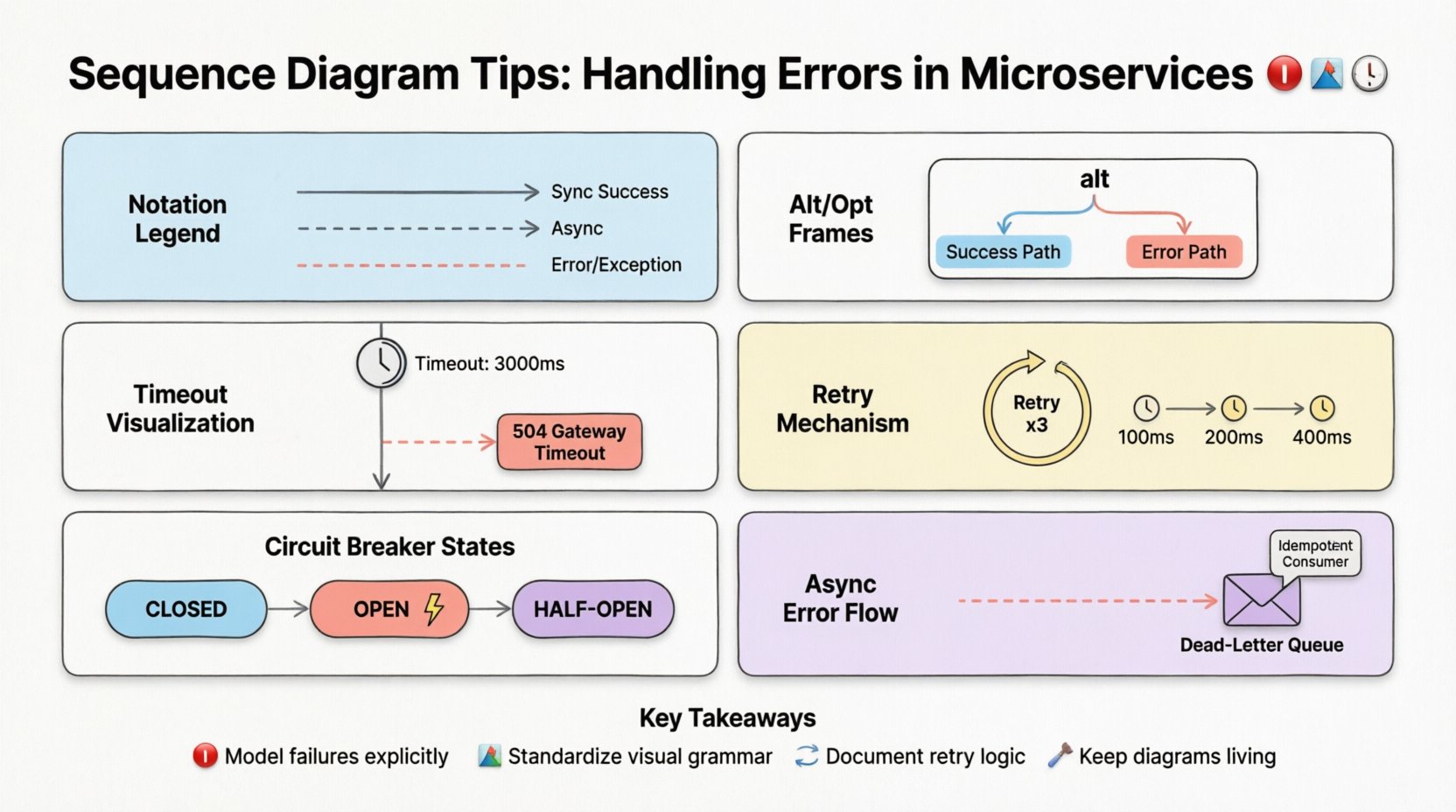
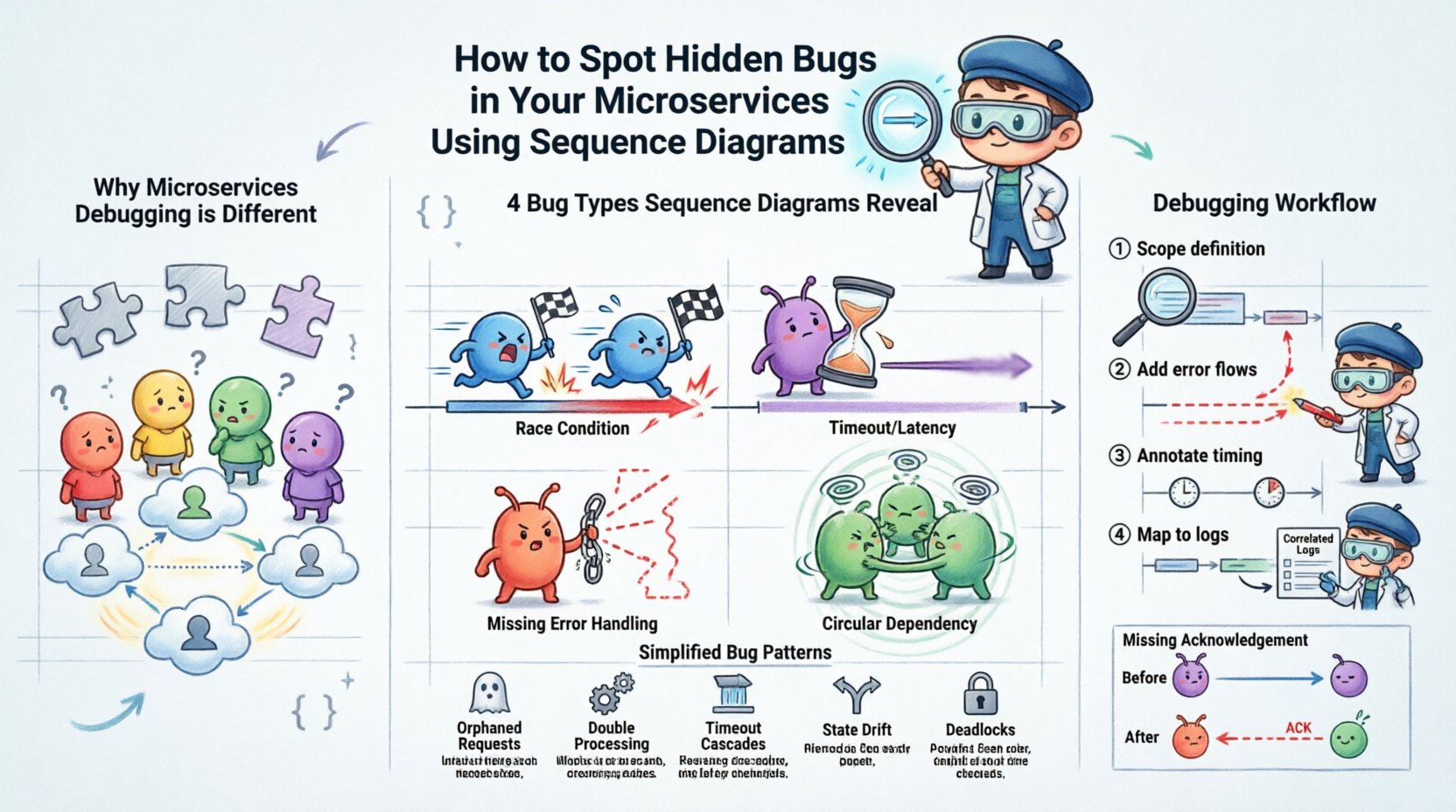
Microservices architectures introduce complexity that single applications rarely face. The promise of independence and scalability often collides with the reality of distributed failure. When a request traverses multiple services, the path is rarely a straight line from client to database. …
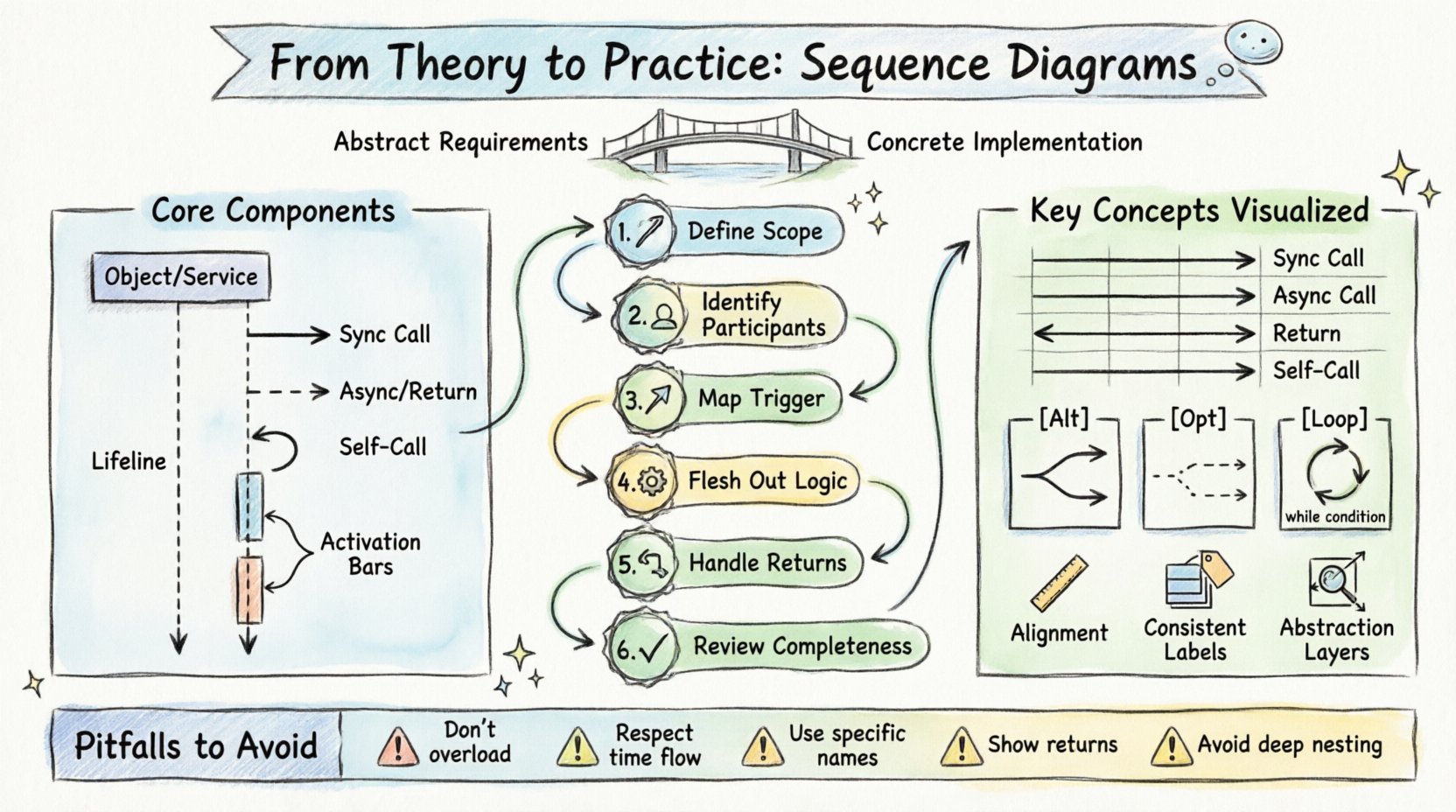
Designing software is often described as translating requirements into logic. However, the translation process frequently encounters friction when moving from abstract theory to concrete implementation. This friction often stems from a lack of shared understanding regarding how different parts of …
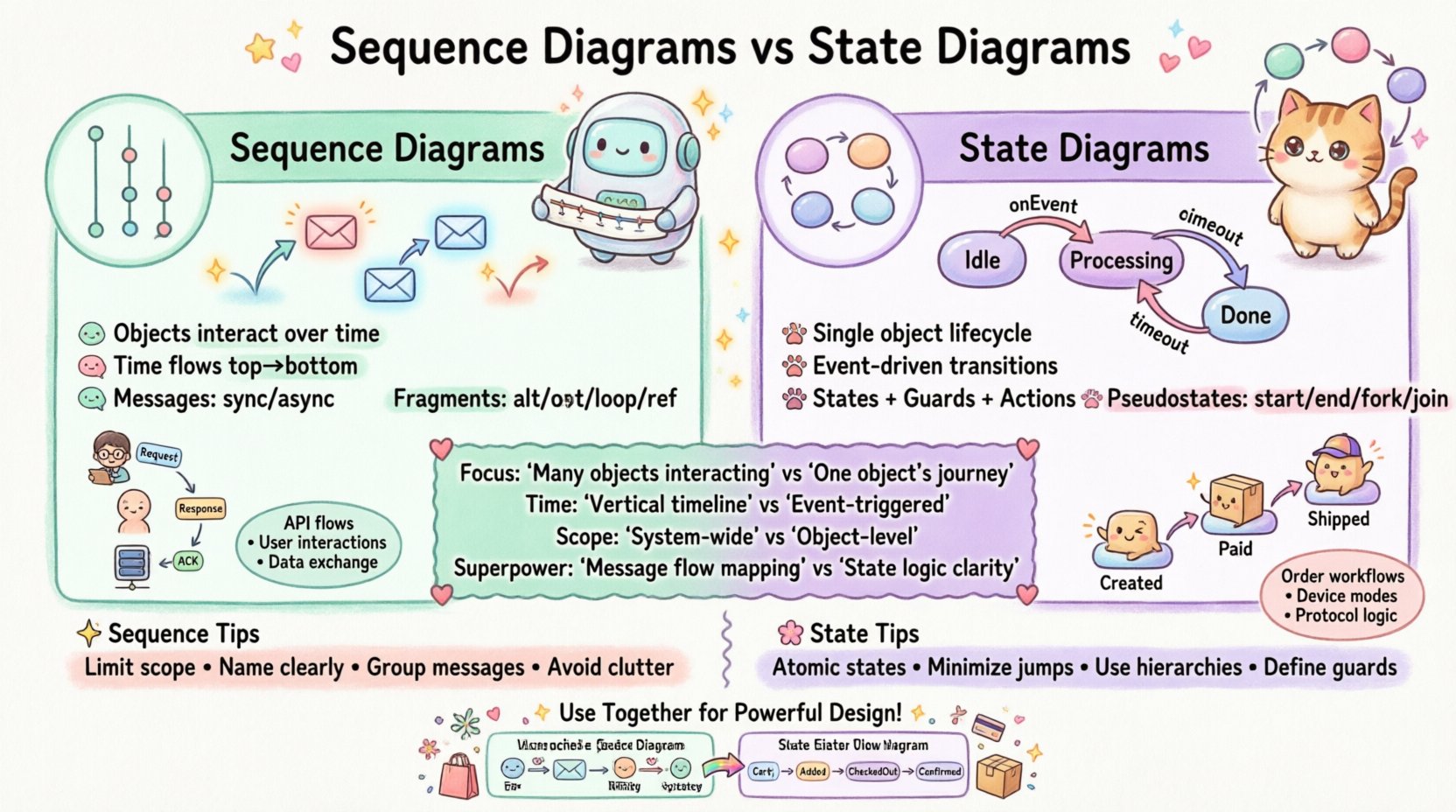
In the landscape of software architecture, visual modeling serves as the bridge between abstract requirements and concrete implementation. Two of the most frequently cited artifacts in this process are the Sequence Diagram and the State Diagram. While both fall …
Debugging distributed systems is often compared to solving a complex puzzle where the pieces are moving. In a monolithic architecture, a bug usually resides in a single codebase. However, when you shift to microservices, the complexity multiplies. Calls traverse multiple …