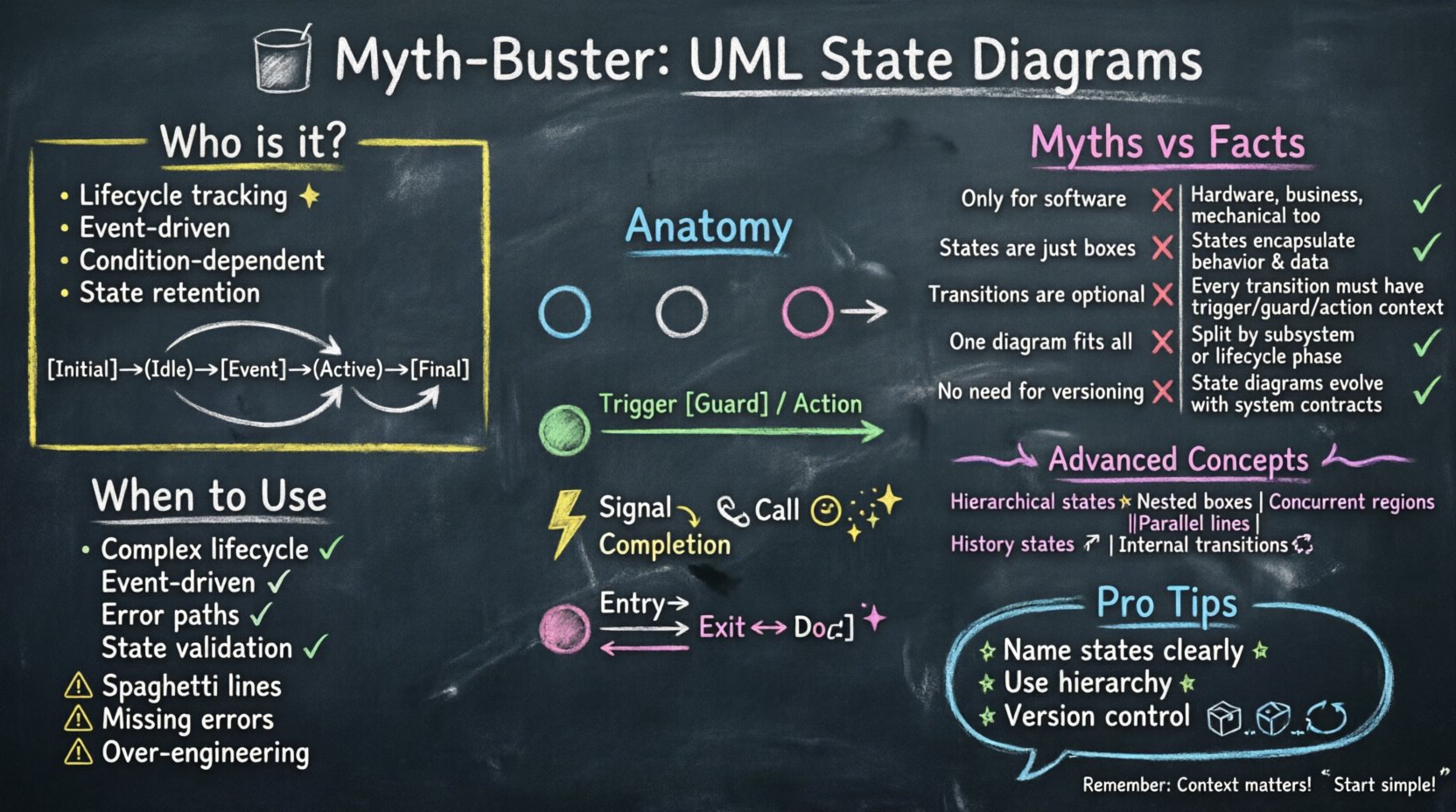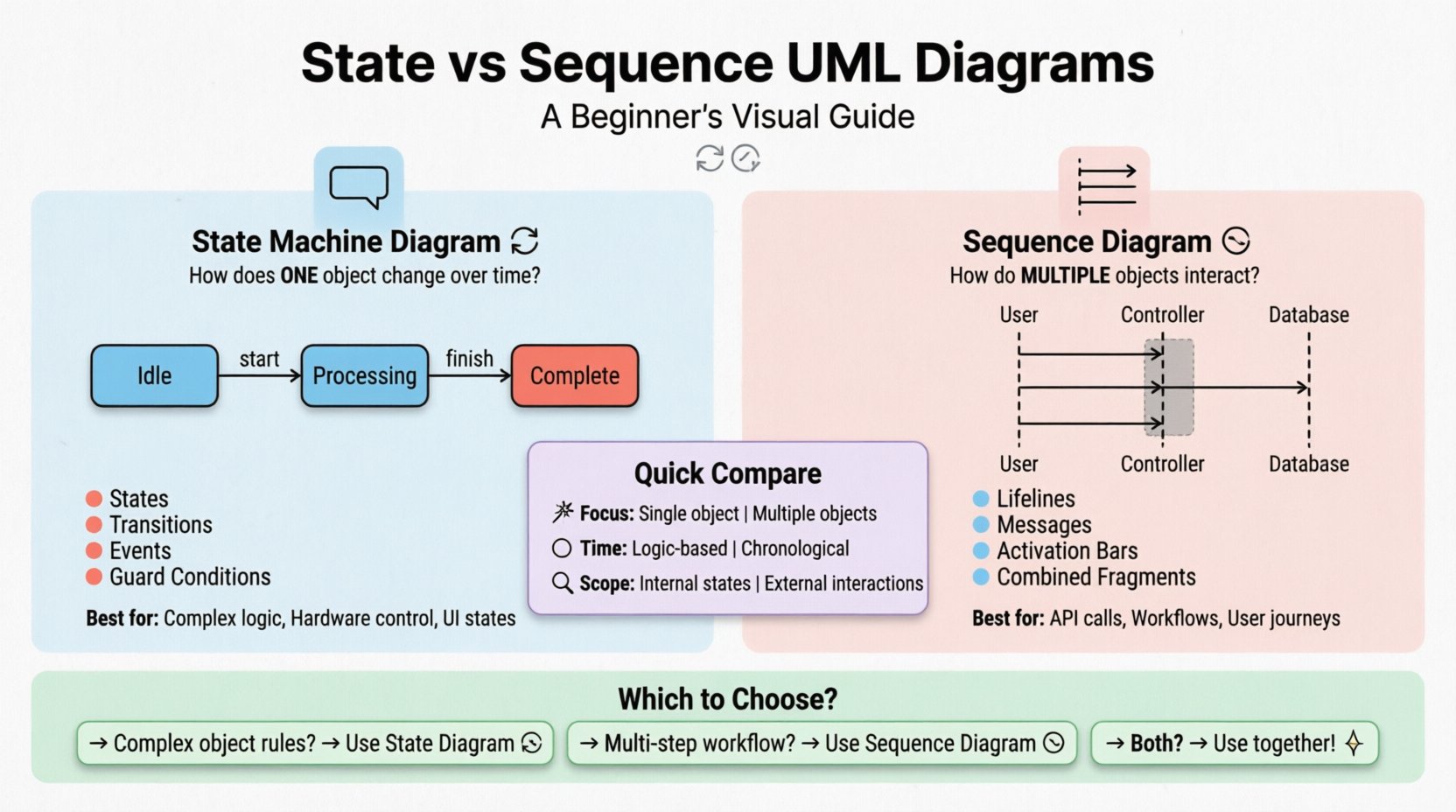
When designing complex systems, understanding how a system behaves over time is just as critical as understanding its static structure. While class diagrams define the data and sequence diagrams define the interaction flow, the UML State Diagram (often called a …
Requirements engineering is often where projects go to die. It is the graveyard of good intentions, buried under layers of ambiguous language and misunderstood expectations. Stakeholders walk into meetings with a vision in their heads, but what they say often …
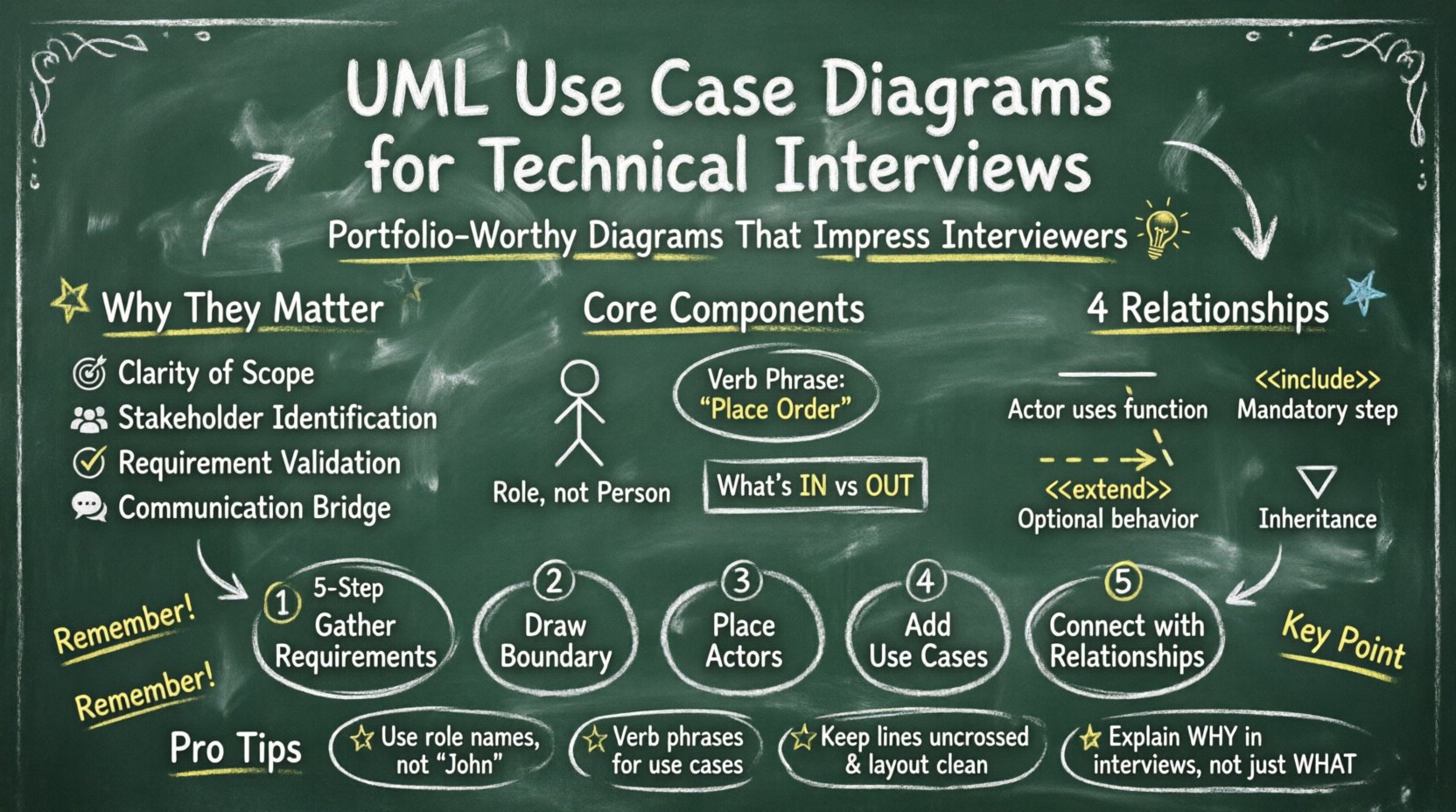
In the competitive landscape of technical hiring, visual communication often distinguishes a candidate from the rest. A UML Use Case Diagram serves as a bridge between abstract requirements and concrete system behavior. It demonstrates your ability to think in terms …
Software design is the backbone of any robust application. Before writing a single line of code, architects and developers must visualize how a system behaves. Unified Modeling Language (UML) serves as the standard notation for this visualization. Among the many …
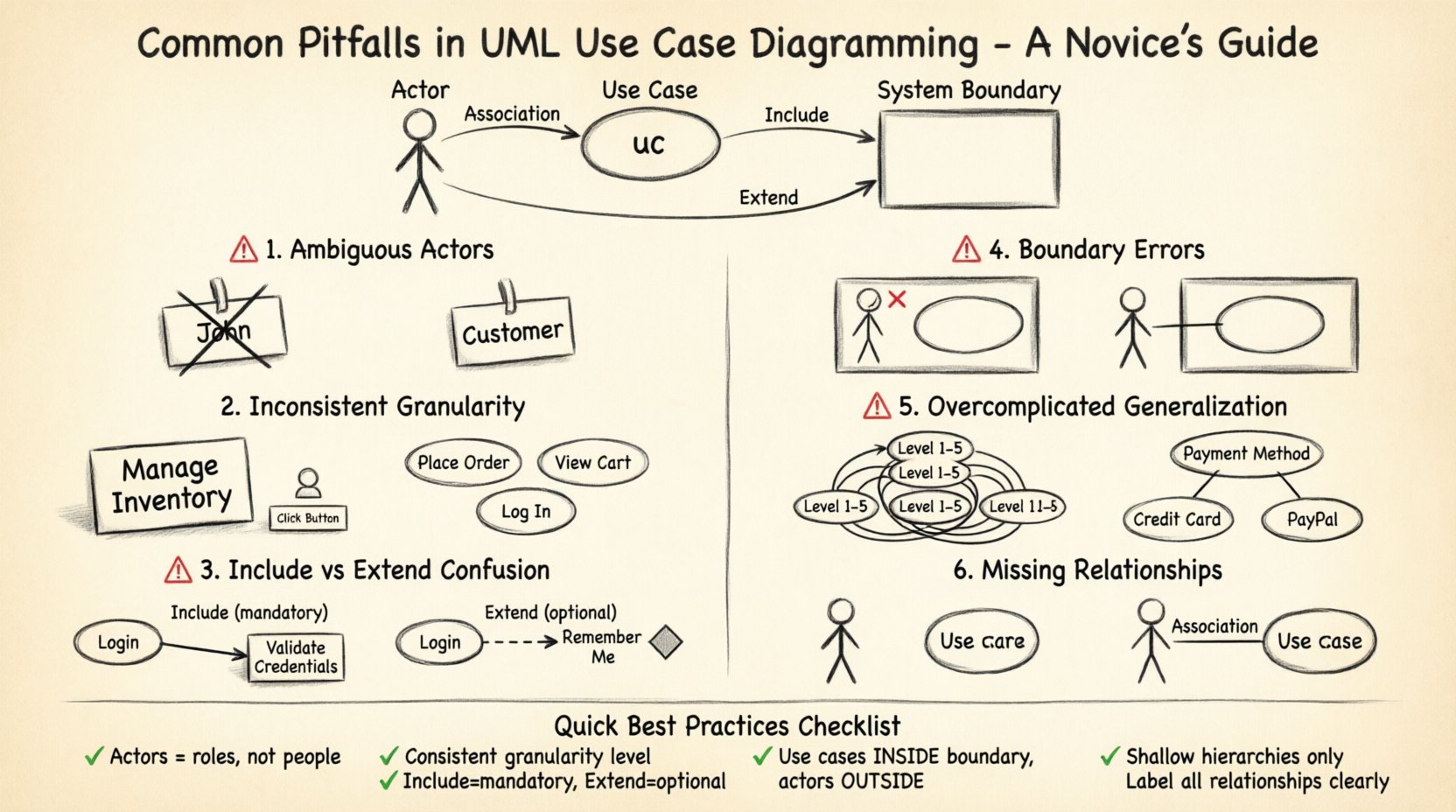
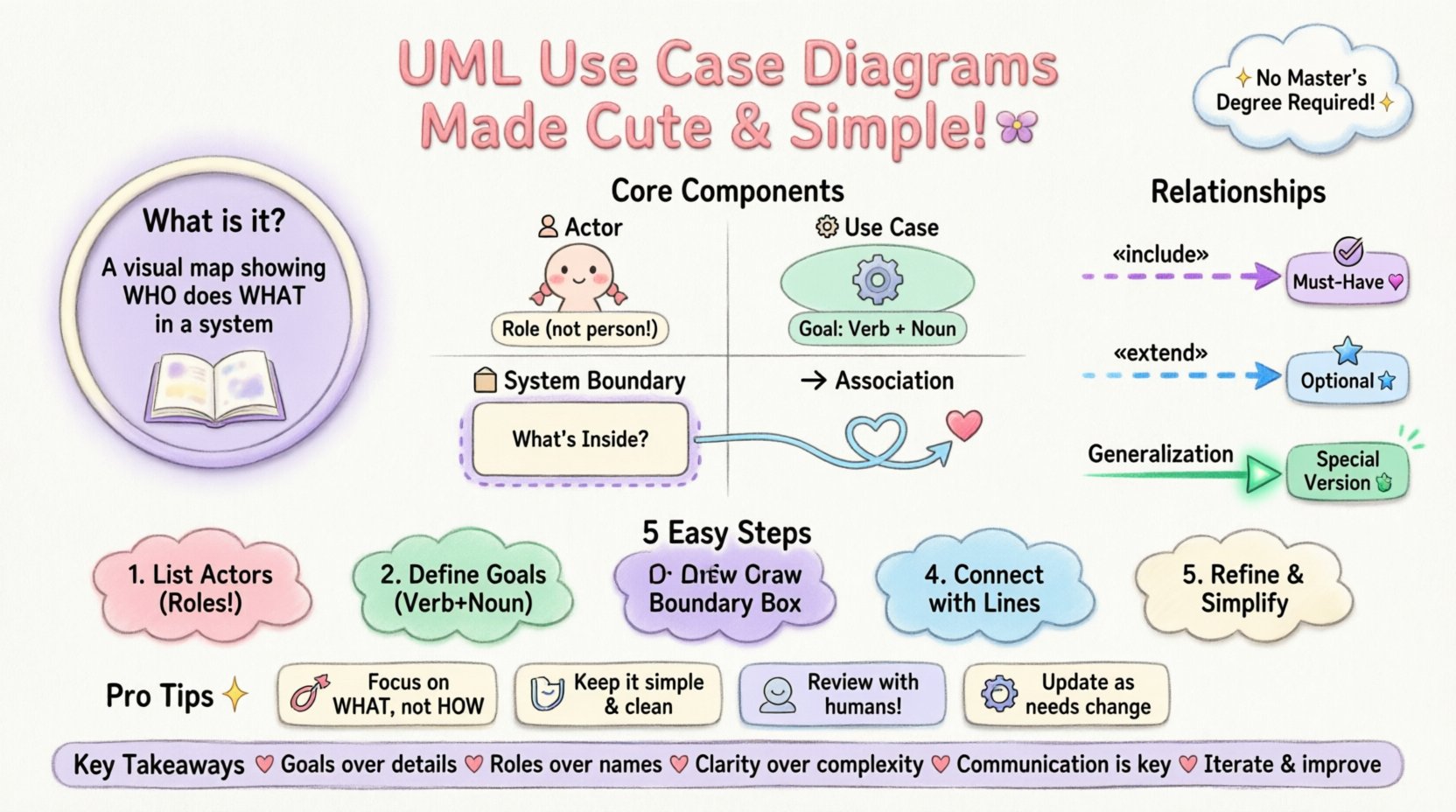
Creating a Use Case Diagram is often the first step a system analyst or developer takes to visualize the functional requirements of a software system. It acts as a bridge between technical implementation and business goals. However, many newcomers struggle …
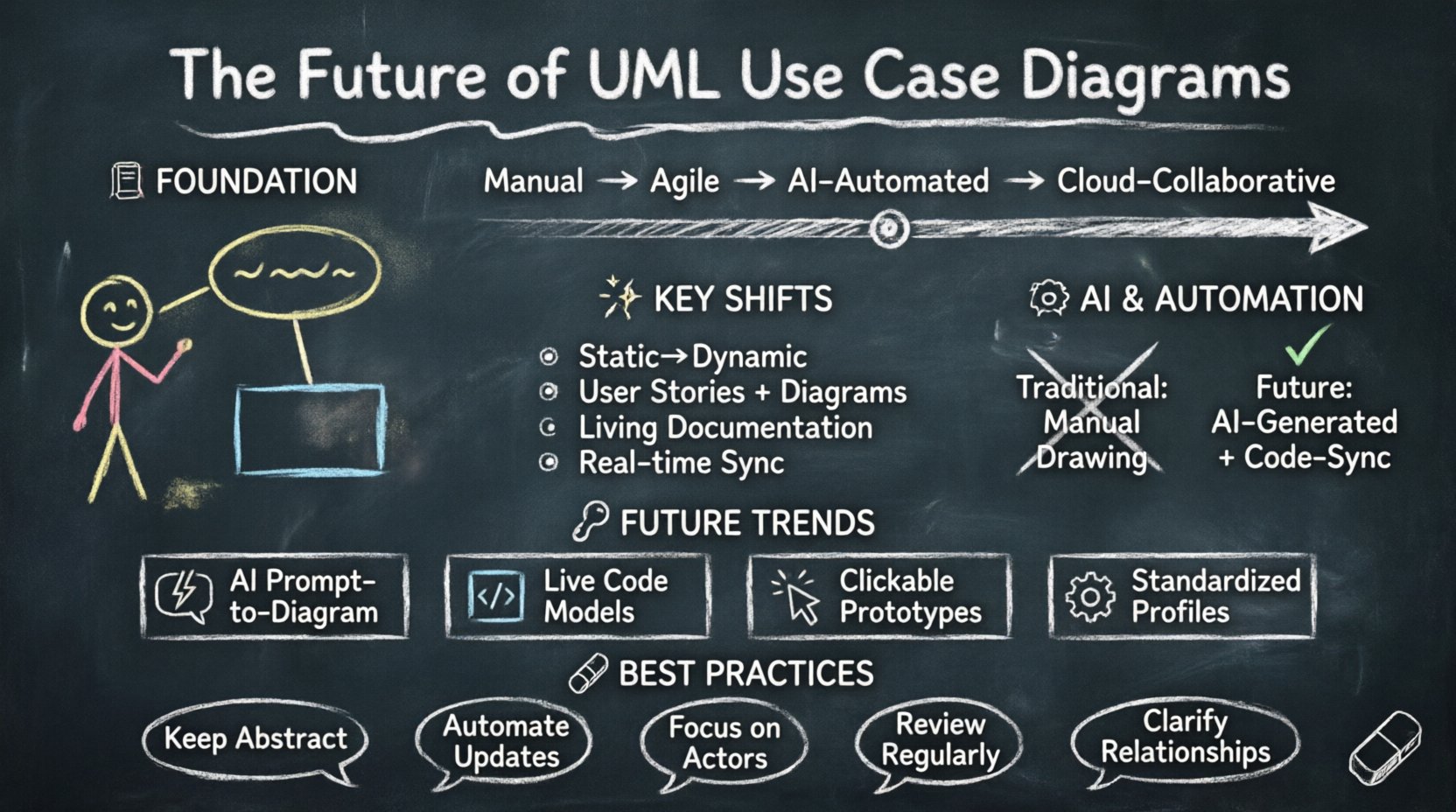
The landscape of software architecture is constantly shifting. As organizations adopt distributed systems, microservices, and cloud-native infrastructure, the tools used to model these systems must adapt. Among the foundational tools for system design, the UML Use Case Diagram remains a …
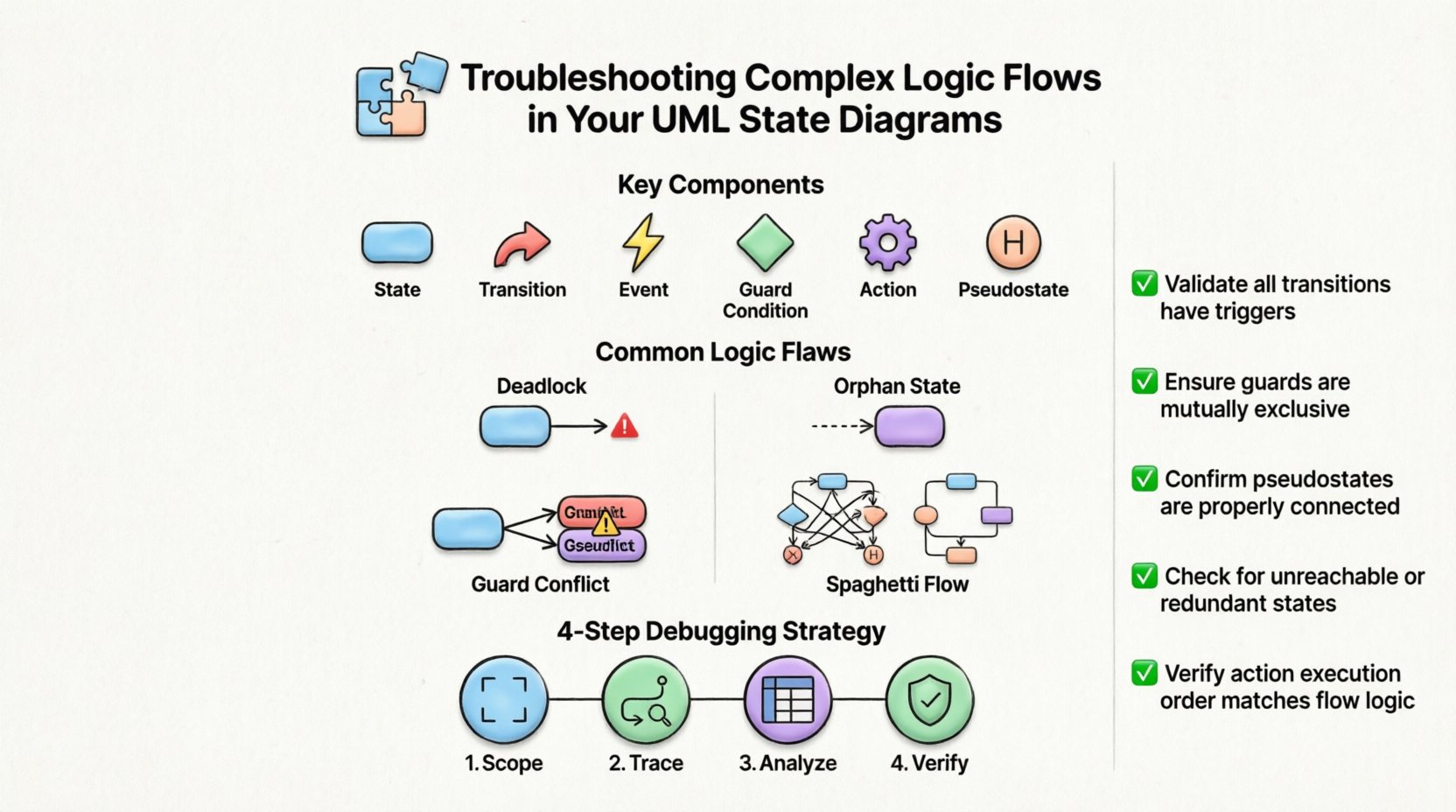
State Machine Diagrams serve as the backbone for defining the dynamic behavior of systems. They map out how an object responds to events over time. However, as systems scale, the diagrams often become intricate webs of transitions, states, and conditions. …
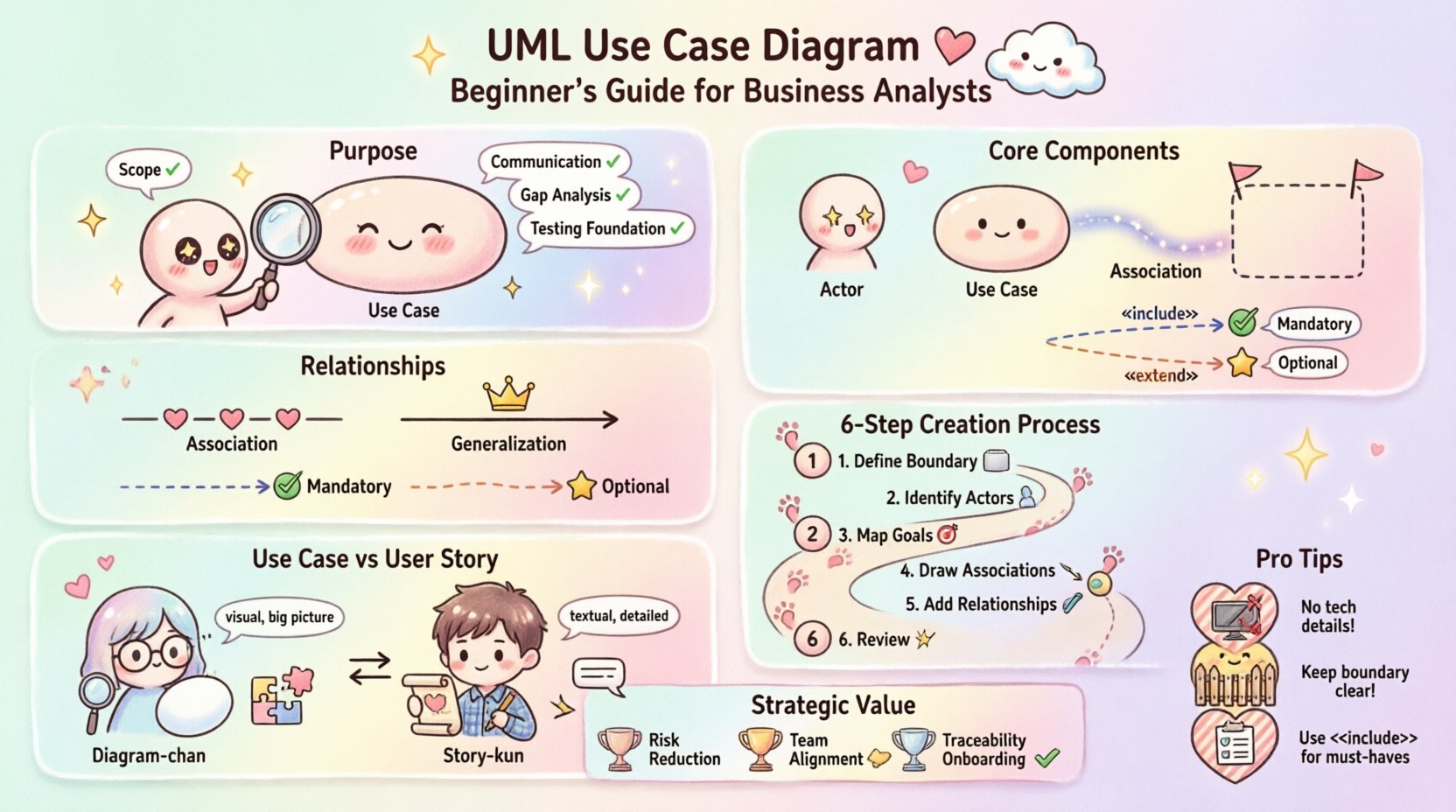
Business analysis requires more than just gathering requirements; it demands a clear visualization of how a system interacts with the world around it. The Unified Modeling Language (UML) offers a standardized notation for this purpose, and among its many tools, …
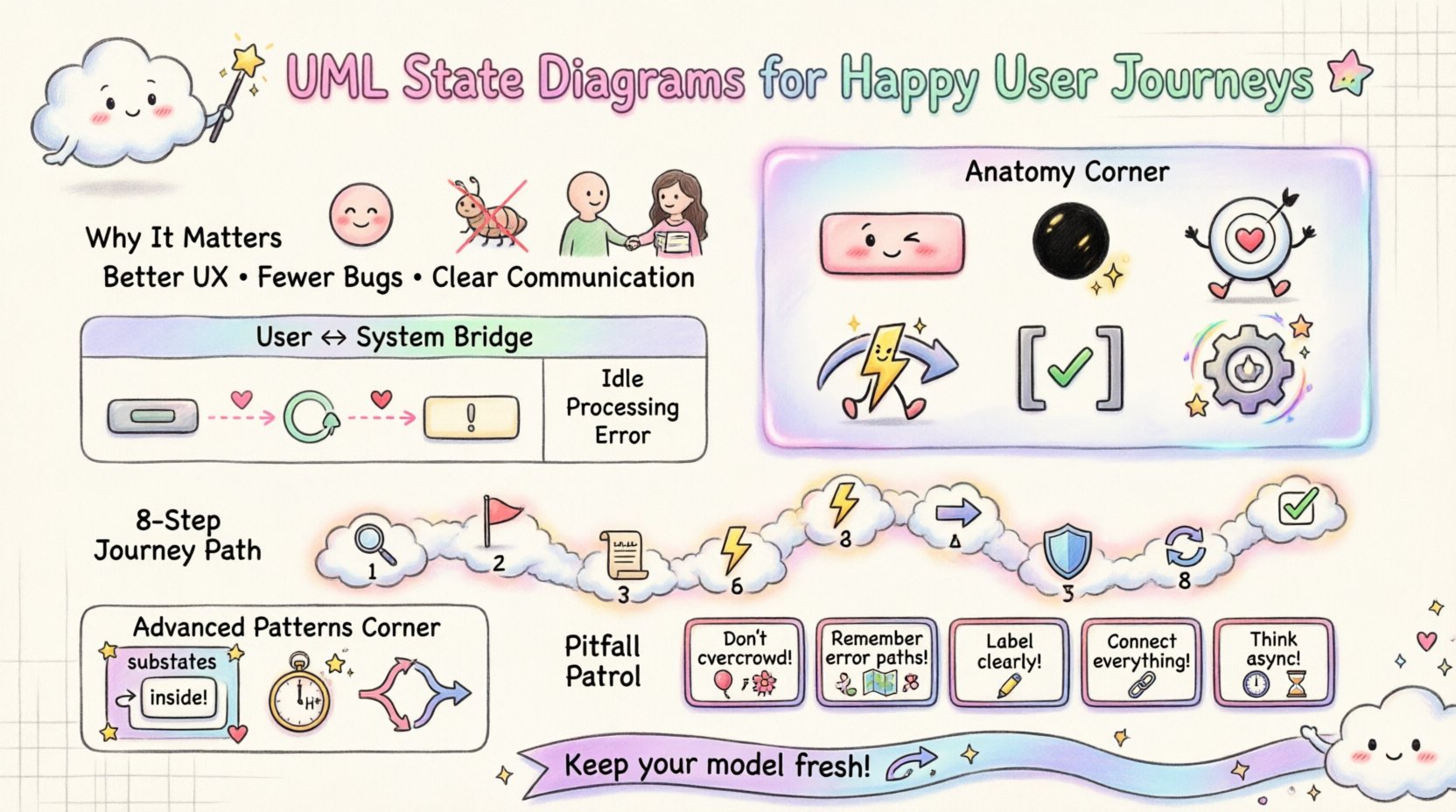
Designing software that feels intuitive requires more than just pretty interfaces. It demands a deep understanding of how a system behaves over time. When users interact with an application, they are navigating a landscape of conditions. They expect the system …
There is a persistent belief in the software industry that visual modeling requires an advanced academic background. Many professionals hesitate to engage with Unified Modeling Language (UML) notations because they feel the concepts are too abstract or theoretical. This perception …