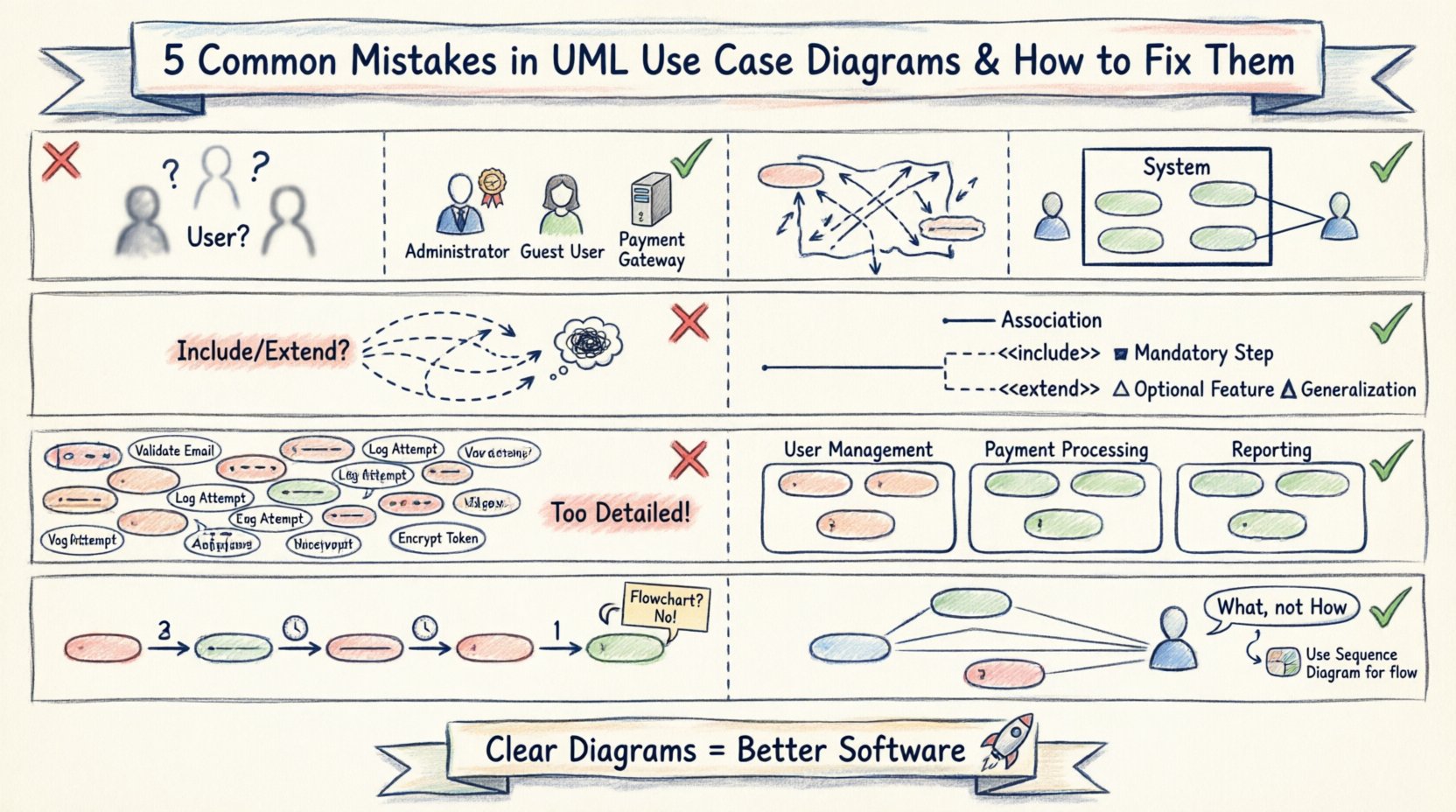
Software architecture relies heavily on clear communication between stakeholders, developers, and analysts. At the heart of this communication lies the Unified Modeling Language, specifically the Use Case Diagram. These diagrams provide a high-level view of how users interact with a …
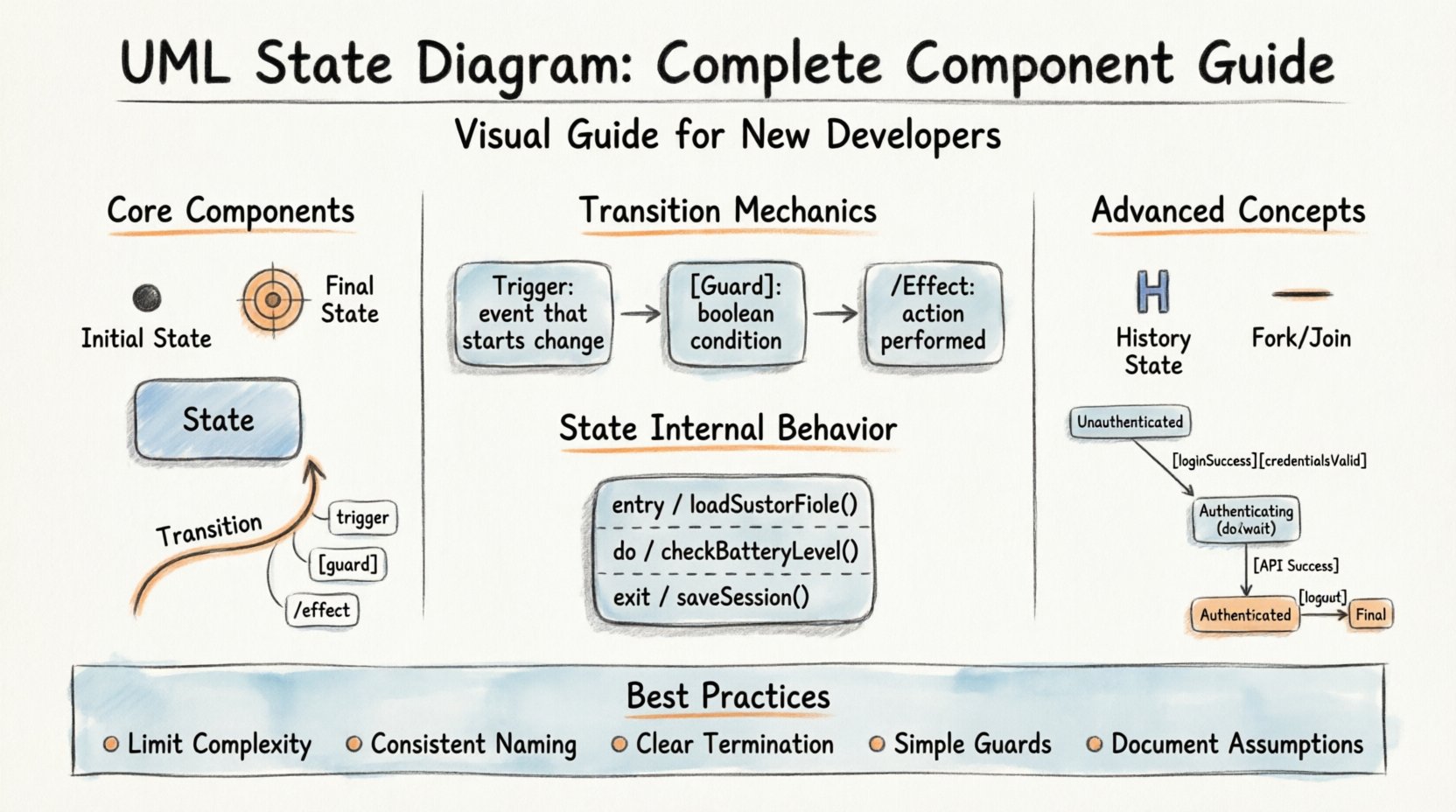
Understanding how software behaves under different conditions is critical for building robust systems. One of the most effective ways to visualize this behavior is through a Unified Modeling Language (UML) State Diagram, often referred to as a State Machine Diagram. …
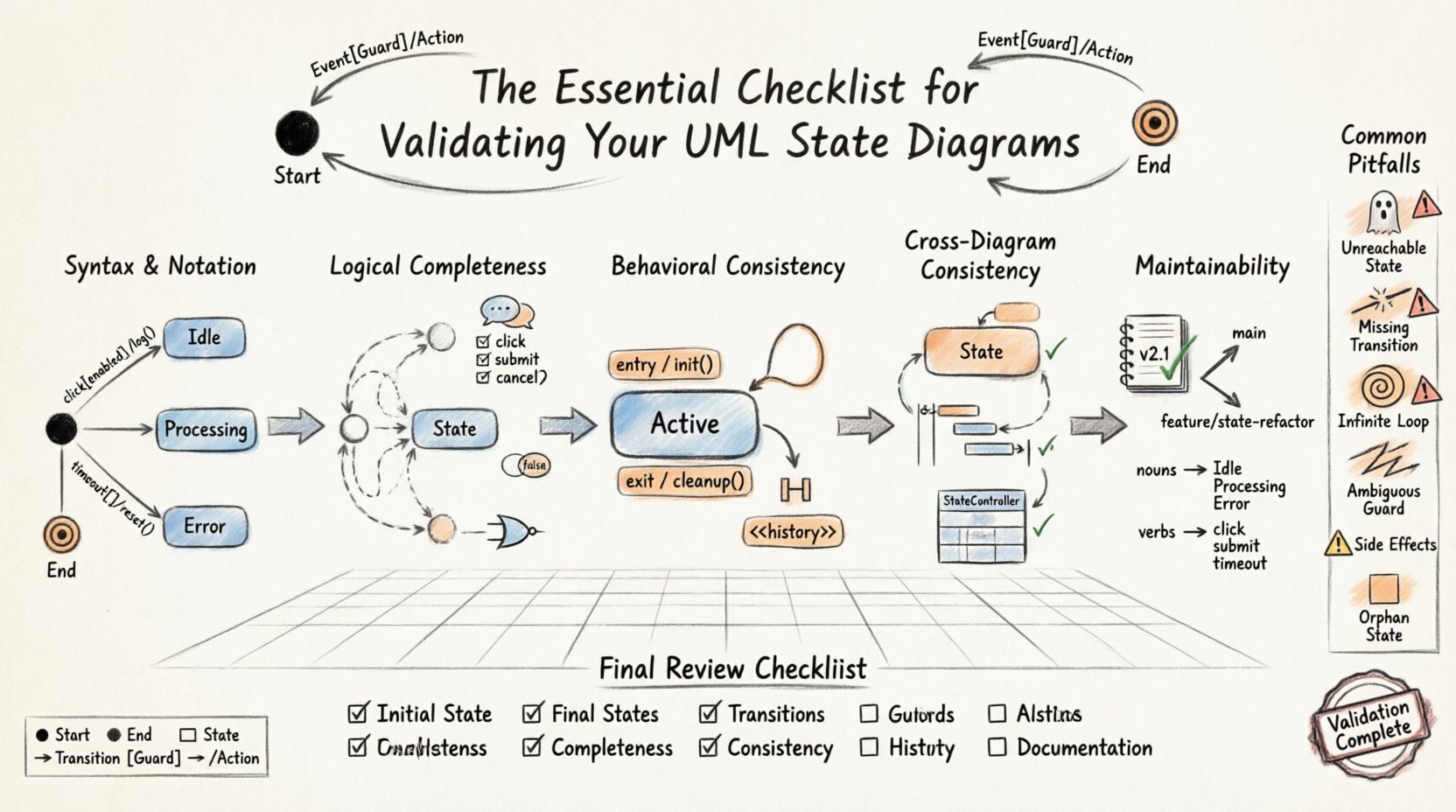
State Machine Diagrams serve as the backbone for modeling dynamic behavior within complex systems. They provide a visual representation of how a system responds to events over time. However, the complexity of real-world logic often leads to subtle errors that …
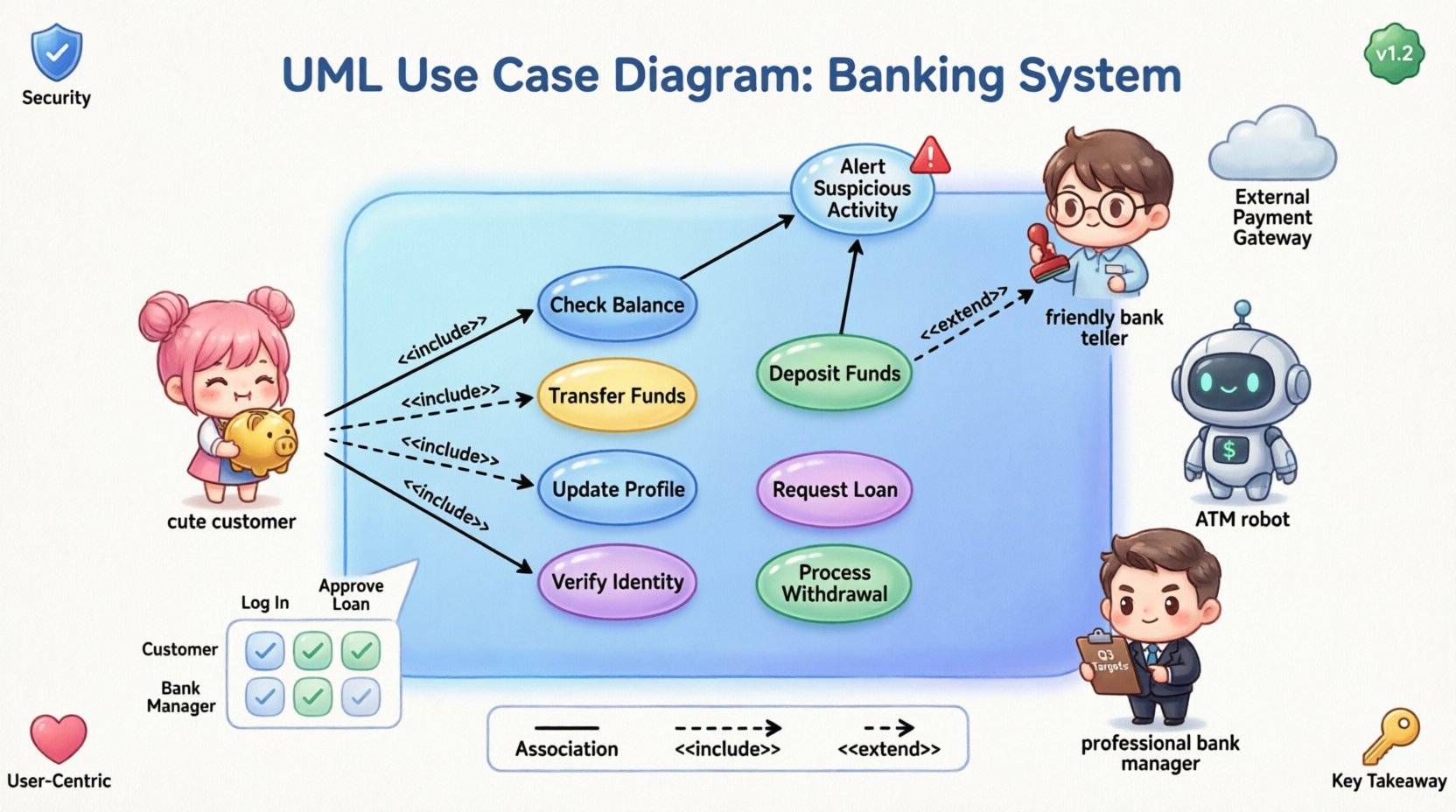
Designing a robust banking application requires more than just writing code. It demands a clear understanding of how users interact with the system. Visualizing these interactions is crucial for system analysts and developers alike. A UML Use Case Diagram serves …
In the intricate architecture of software system design, behavioral modeling plays a pivotal role. Among the various diagrams available in the Unified Modeling Language (UML), the State Machine Diagram stands out as a critical tool for defining the dynamic behavior …
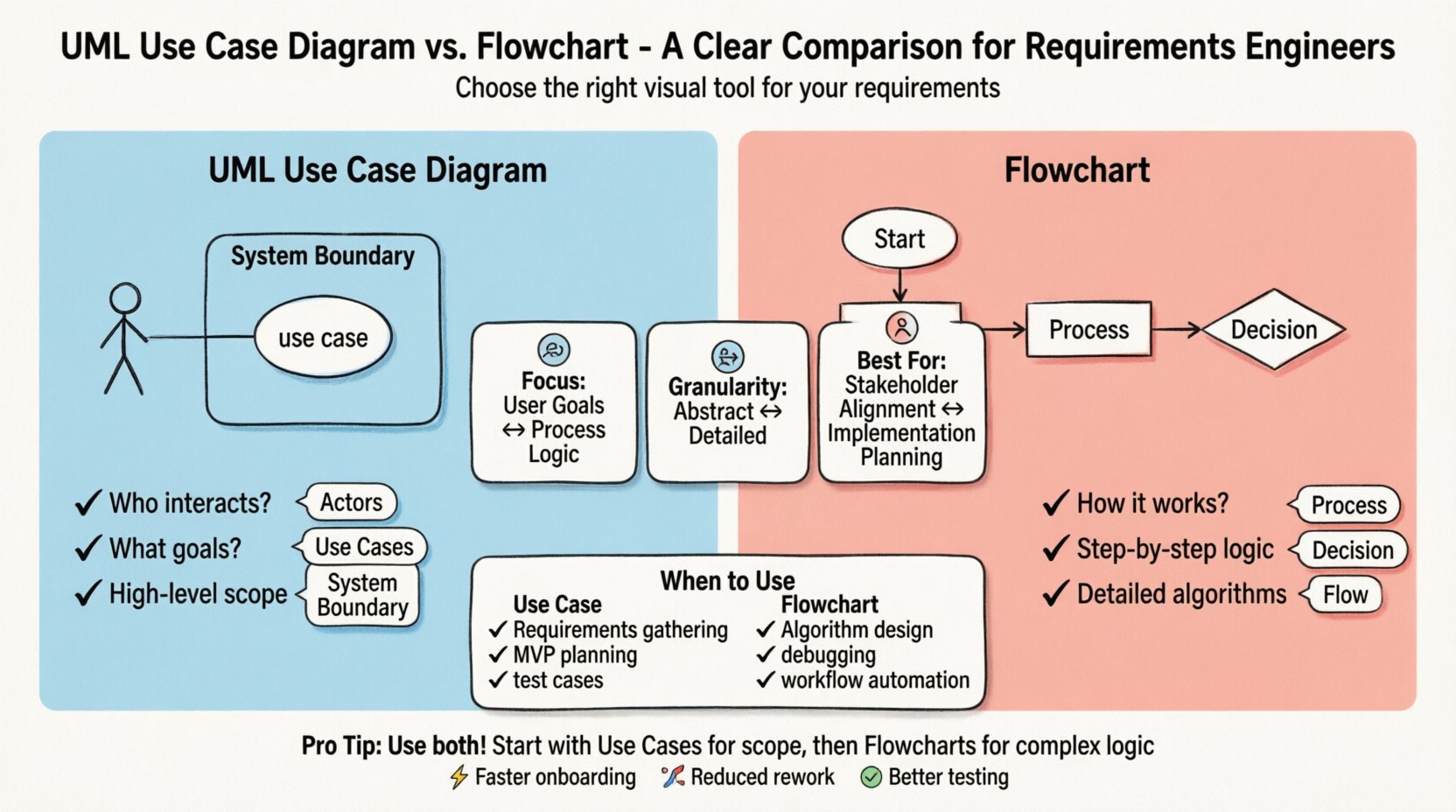
In the landscape of system analysis, clarity is currency. 📉 Requirements engineers often face the challenge of translating business needs into technical specifications. Two of the most common visual tools available for this task are the UML Use Case Diagram …
Creating a UML Use Case Diagram is a fundamental step in defining the functional scope of a software system. It serves as a visual contract between stakeholders, business analysts, and developers. However, a diagram drawn without rigorous validation often leads …
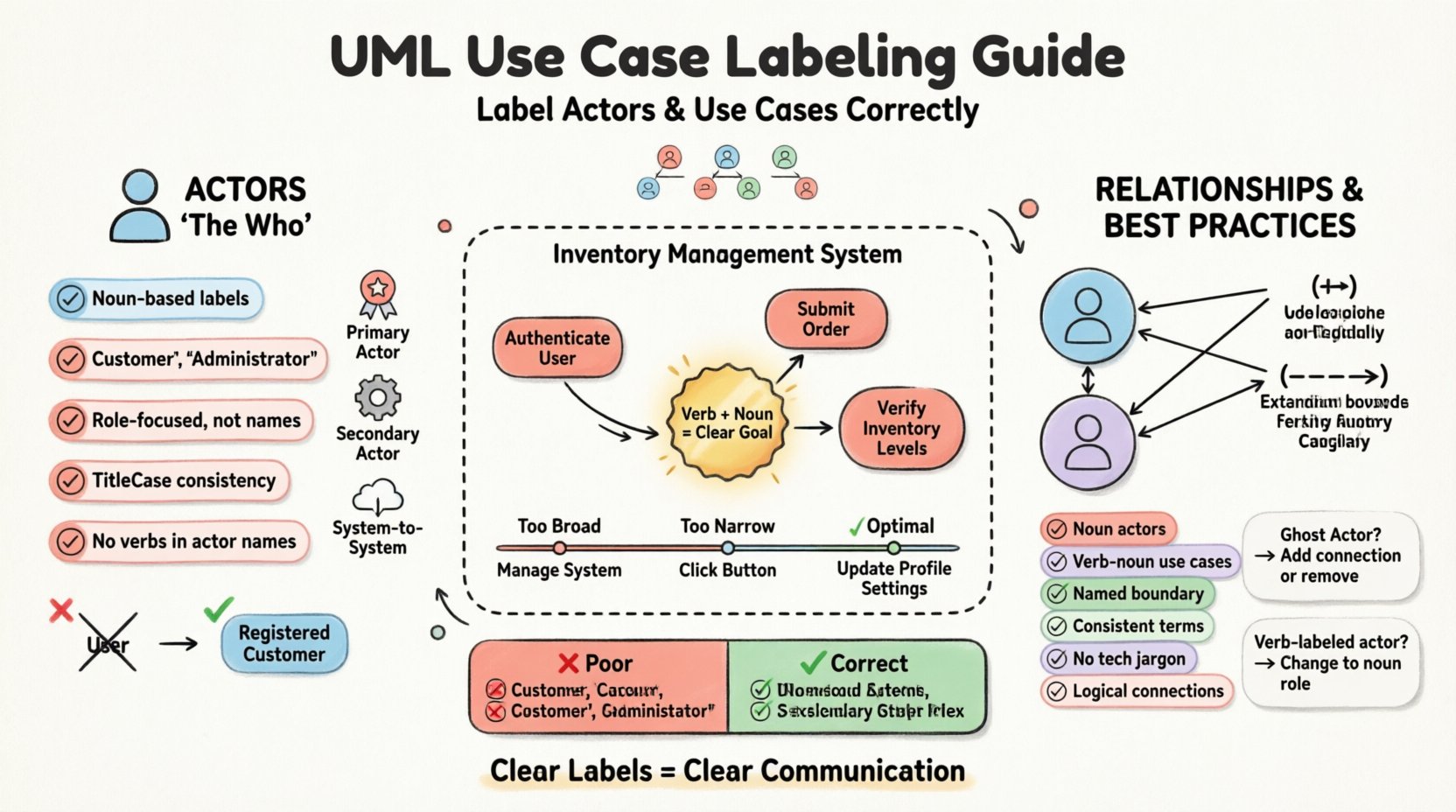
Unified Modeling Language (UML) serves as the universal blueprint for software architecture. Among its many diagram types, the Use Case Diagram stands out for its ability to visualize system functionality from an end-user perspective. However, a diagram is only as …
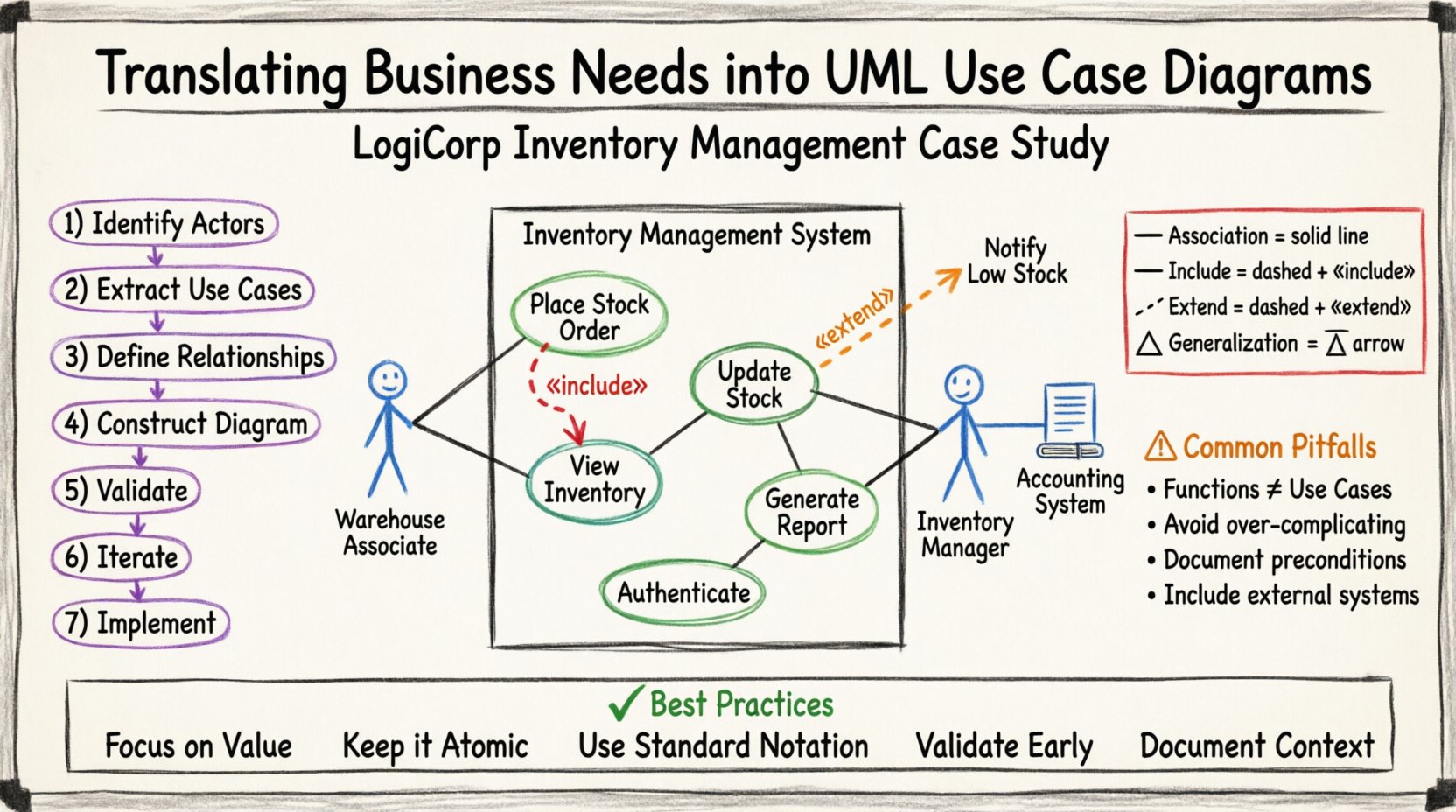
In the landscape of software development, the gap between business requirements and technical implementation often leads to costly rework. One of the most effective tools to bridge this divide is the UML Use Case Diagram. It serves as a visual …
Understanding the dynamic behavior of a system is critical when designing complex software architectures. While class diagrams define structure and sequence diagrams define interaction flow, the UML State Diagram (or State Machine Diagram) focuses on the lifecycle of a single …